
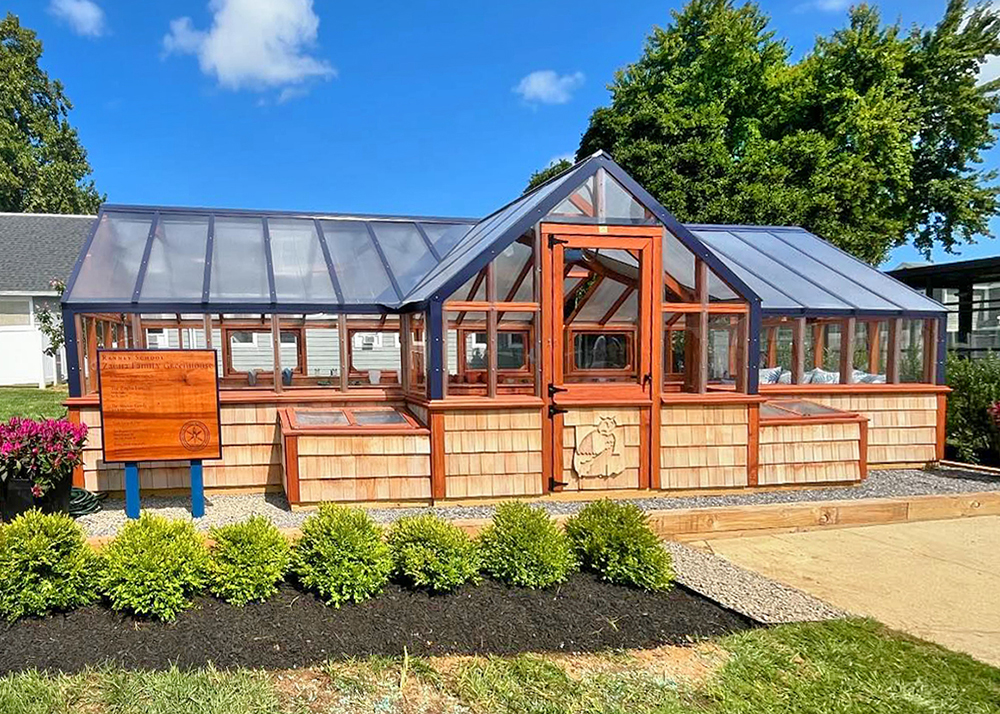
A residential greenhouse in Hingham, MA gives homeowners a more reliable place to grow, protect sensitive plants, and stay active in the garden through New England’s changing seasons. It can support early seed starting, longer seasonal use, and a more organized setup overall.
That is what makes the decision worth planning carefully. For Outdoor Personia, greenhouses are not just a backyard add-on. They are one more way to make a property more personal, more useful, and better suited to how a homeowner actually lives outdoors.
Why a residential greenhouse can be a practical addition for Hingham homeowners
For homeowners who already spend time in the yard, a greenhouse creates a more dependable place for seasonal starts, sensitive plants, and steadier garden routines that are less affected by cold snaps, wind, and uneven spring weather.
It can also make the property more useful overall. Instead of limiting gardening to a short stretch of good weather, homeowners can create a setup that supports longer seasonal use and better day-to-day organization.
A greenhouse should be planned around the property
Sun exposure, drainage, wind, and access all affect how useful greenhouses will be once in place. Coastal conditions can make those choices even more important, which is why a solid plan usually starts with the site.
Strong plans should account for:
- Where the structure will get reliable light
- How water moves across the site
- How exposed the area is during rougher weather
- How easy the space will be to reach and use after installation
Why does good placement matter?
Greenhouses can seem right on paper and still be frustrating to use if the placement is off. In Hingham, access, drainage, and sun exposure all affect how comfortable it feels and how often it actually gets used.
The right location can make it more convenient to reach, simpler to care for, and more useful across the season.
Greenhouses work best when supporting real daily use
Most residential options are built around practical routines, not hobby growing for its own sake. For many, that means having a more dependable place for:
- Starting vegetables and herbs earlier in the season
- Protecting sensitive plants during colder stretches
- Managing seasonal transitions with less disruption
- Keeping trays, pots, and tools in one place
- Making gardening easier to stay on top of over time
That practical use is a big part of the value. Instead of scattering supplies and plant care across the yard, homeowners get a steadier place to work and a setup that is easier to keep organized.
The right greenhouse depends on what the space needs to do
The right choice usually has less to do with a standard size chart and more to do with how the structure will function on the property. A few questions tend to shape the decision:
- How much growing space is actually needed?
- Will it be used seasonally or more often?
- How much room is needed for potting, storage, or movement?
- Does the footprint fit your yard?
- How will the structure look alongside your house and the surrounding property?
A compact option may be enough for seasonal starts and lighter use, while one meant for more regular use may need more working room and a more deliberate layout. The strongest choice usually comes from looking at the property, the routine, and what needs to be handled day to day.
Layout matters just as much as size
Layout matters just as much as size. Even with enough square footage on paper, greenhouses can still feel cramped if there is not enough room for movement, potting, or storage.
That is part of what makes planning so important. Outdoor Personia is at its best when helping homeowners think through more than footprint alone and choose an option that works in real use.
Early planning can prevent avoidable problems later
The best results usually come when planning starts with the property, not the structure. Before installation begins, homeowners need to look at how the yard functions day to day. A spot that seems open and convenient at first glance can still create problems if it has:
- Poor drainage
- Uneven grade
- Limited winter access
- Weak or inconsistent sun exposure
- Awkward connections to paths, beds, or work areas
Placement also affects how naturally the structure fits into the rest of the property. It should be easy to reach, simple to work around, and positioned in a way that supports nearby beds, paths, and existing landscaping rather than working against them.
A better site decision can make the greenhouse more comfortable to use, simpler to maintain, and easier to live with as part of the overall home setup.
Long-term performance depends on more than the structure itself
Good results depend on more than appearance. The greenhouse also has to stay comfortable and functional through New England’s shifting weather. Warm sun on a cool day can raise temperatures quickly, while damp stretches and cold nights create a different set of demands.
Long-term performance usually comes down to a few practical factors:
- Airflow
- Temperature control
- Condensation management
- Moisture control
- Routine upkeep
If the interior holds too much heat, stays overly damp, or becomes uncomfortable to work in, it will be harder to use consistently. That is why long-term performance has to be part of the planning conversation from the start.
Ventilation and routine care make day-to-day use easier
Ventilation, condensation control, and basic maintenance often have the biggest effect on how the space works from season to season.
A greenhouse that is easier to regulate and easier to care for is more likely to stay active throughout the year. It also helps protect the investment by reducing wear on materials over time.
How greenhouses should work with the rest of the property
Greenhouses work best when they feel like part of the property rather than a separate backyard add-on. Yours should connect naturally with how the yard is already used, whether that means sitting near planting beds, relating well to walkways, or fitting into a broader plan for storage, gardening, or outdoor living.
That kind of fit matters for more than appearance. When your greenhouse connects well to the rest of the property, it is easier to reach, easier to use consistently, and more likely to feel like a lasting part of the overall setup.
Why a custom approach can lead to a better long-term fit
These projects usually turn out better when they are planned as part of the property instead of being treated like a simple product purchase. The greenhouse needs to make sense for the lot, the yard layout, and the way the homeowner expects to use it through the seasons.
That is where Outdoor Personia can bring more value than a simple transaction. The goal is to help shape a greenhouse that fits the space, supports everyday use, and feels intentional once the project is complete.
Our Simple Process Makes it So Easy to Work With Us!

Share your vision
We want to understand your dream and then personalize a solution to match your vision.

Let's Collaborate
Once you are happy and approve our proposal, we are ready to get to work!

We'll build it
We will choose the best way to create your structure. Relax and enjoy your dream come true.
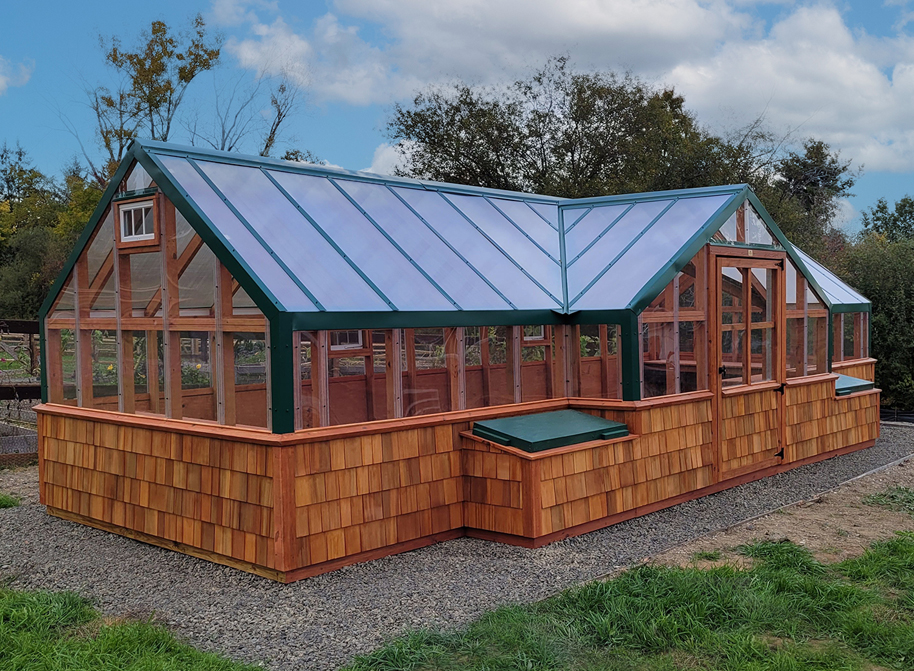
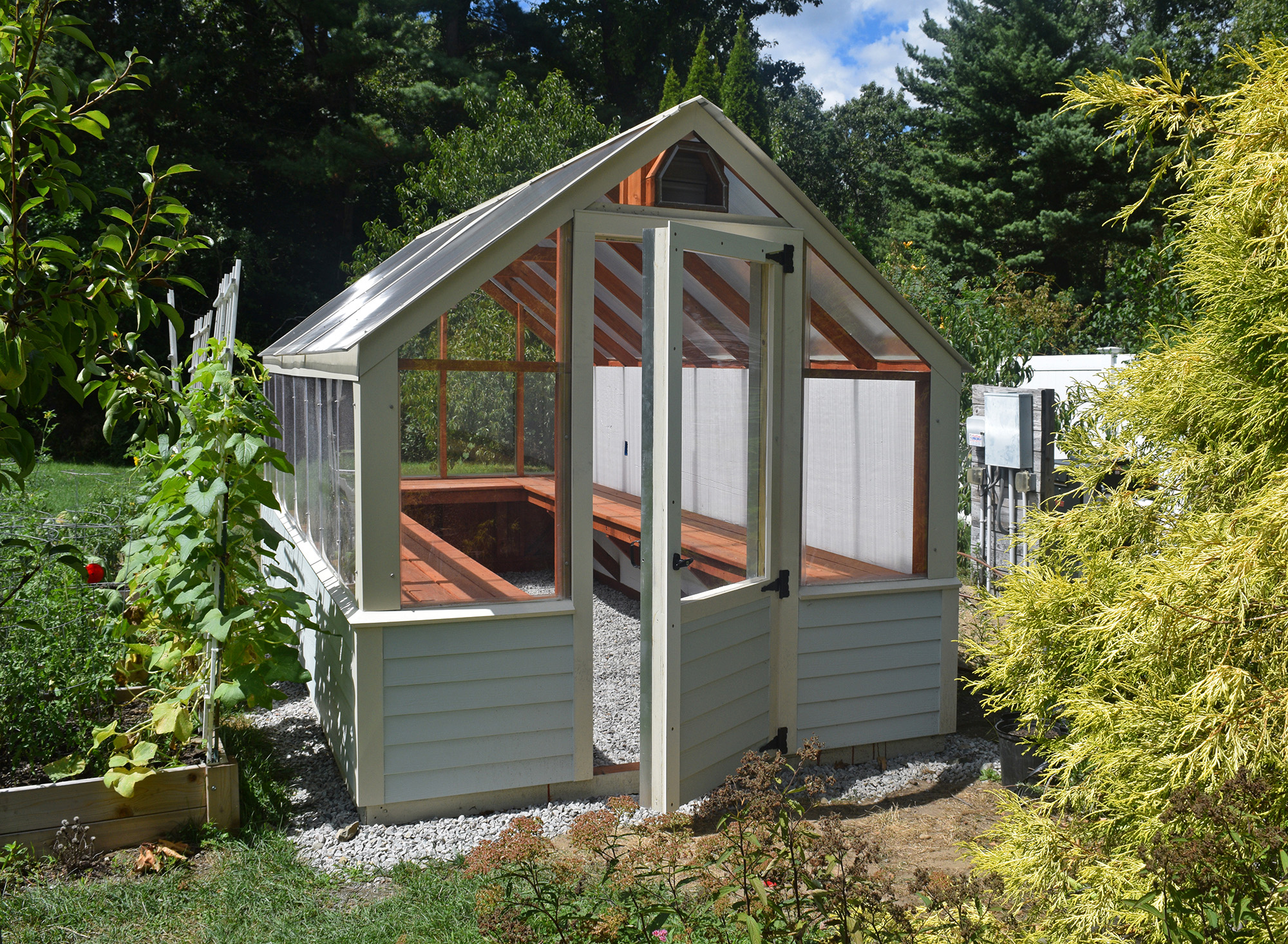
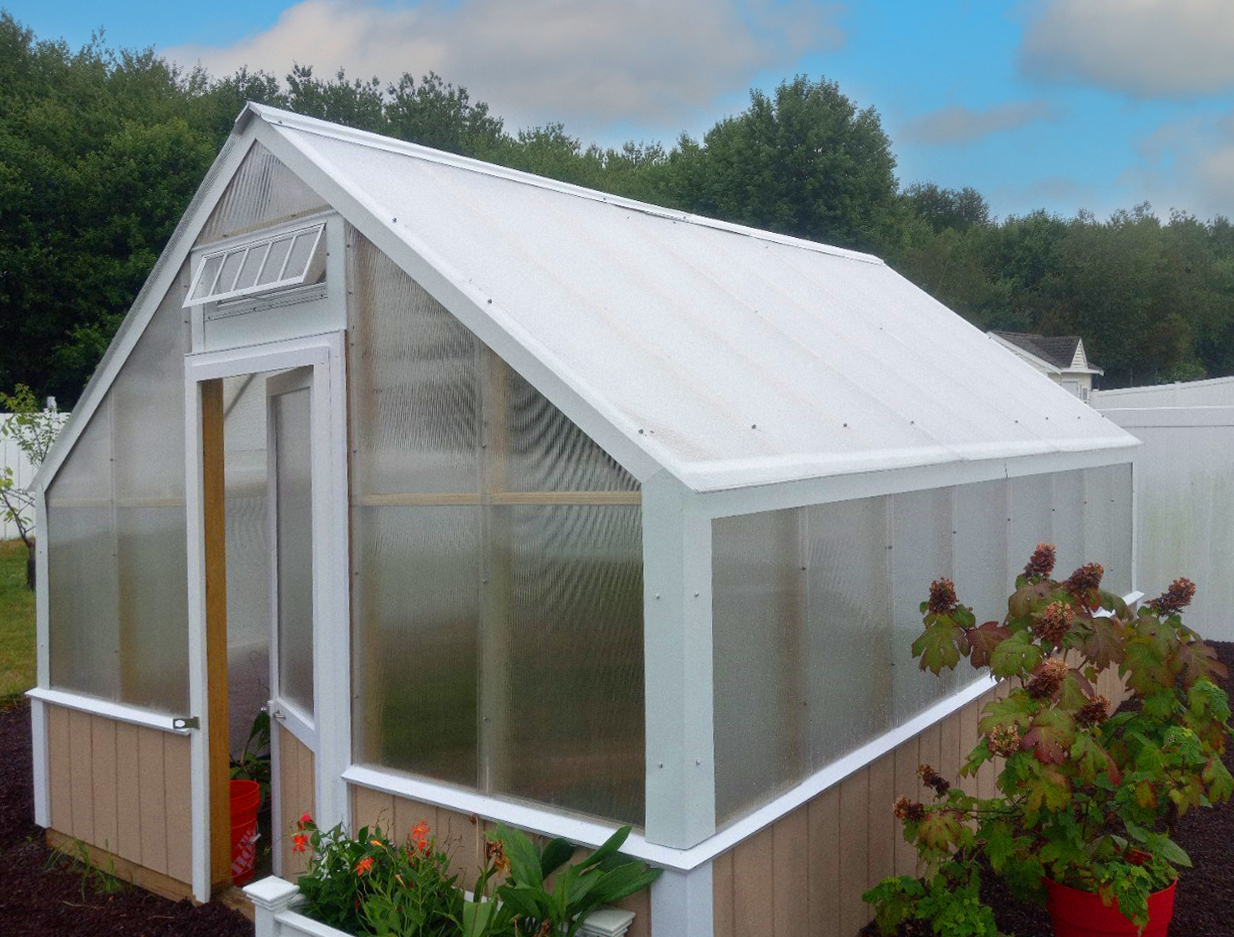
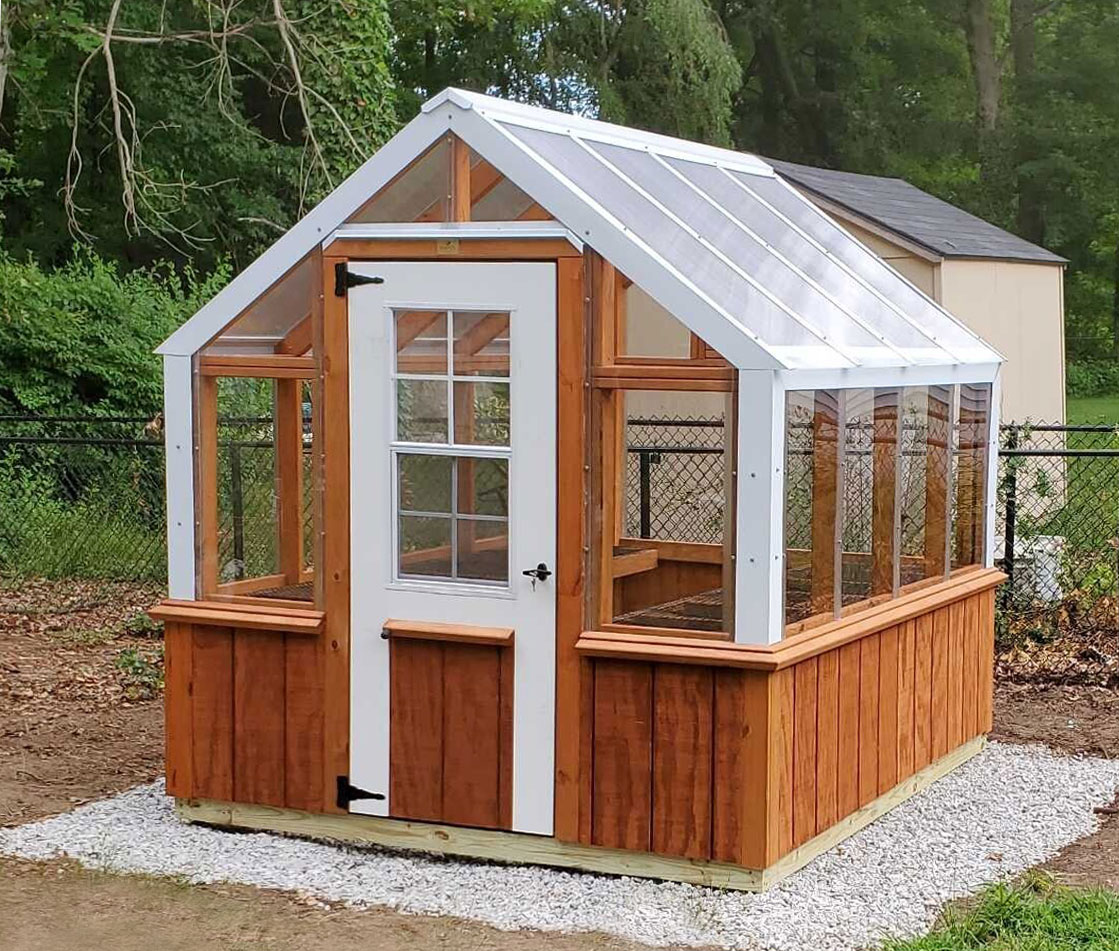
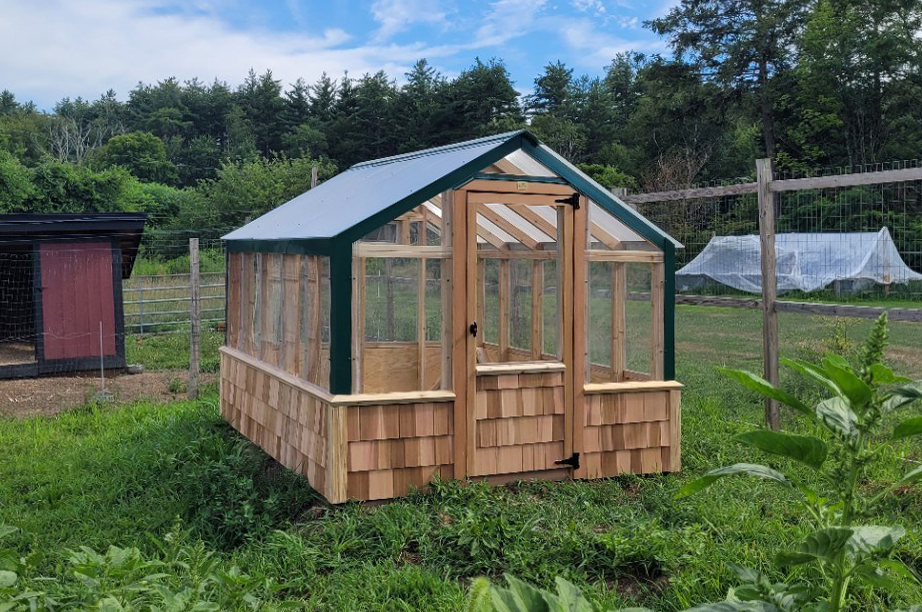
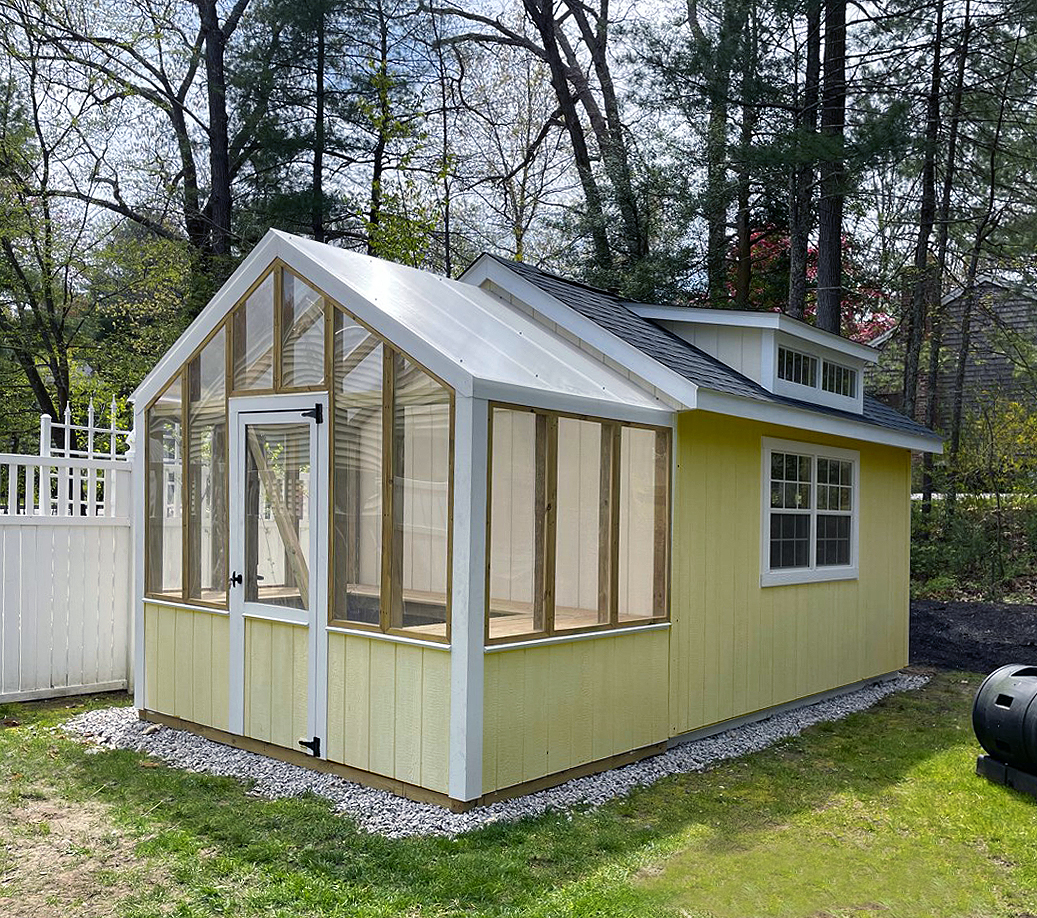
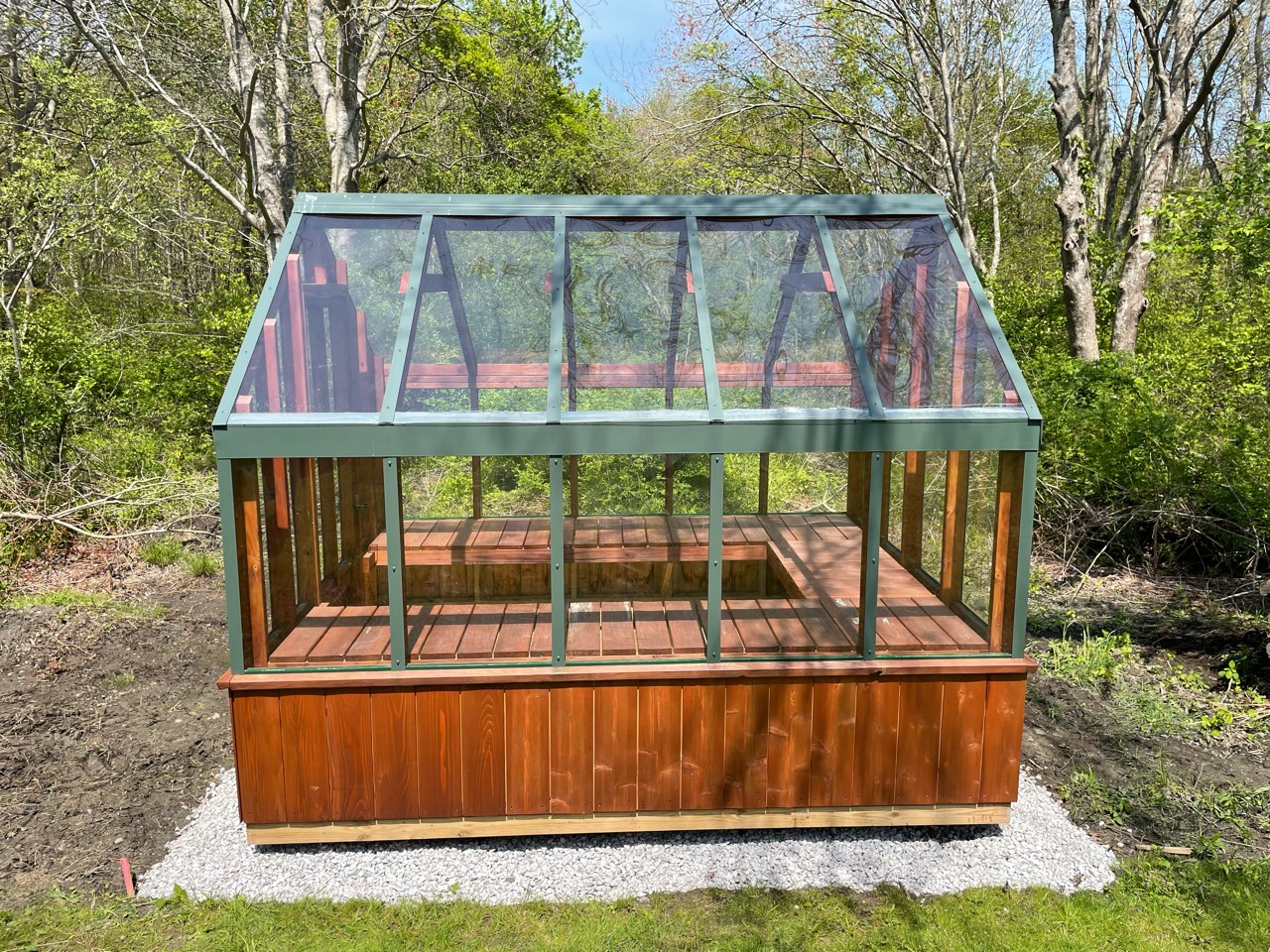
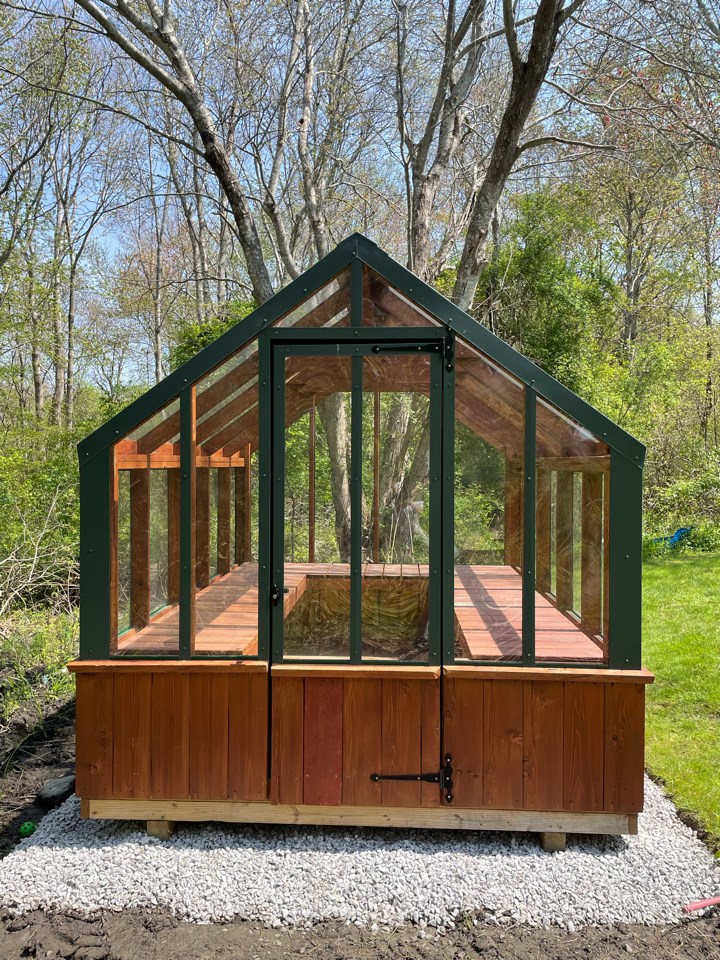
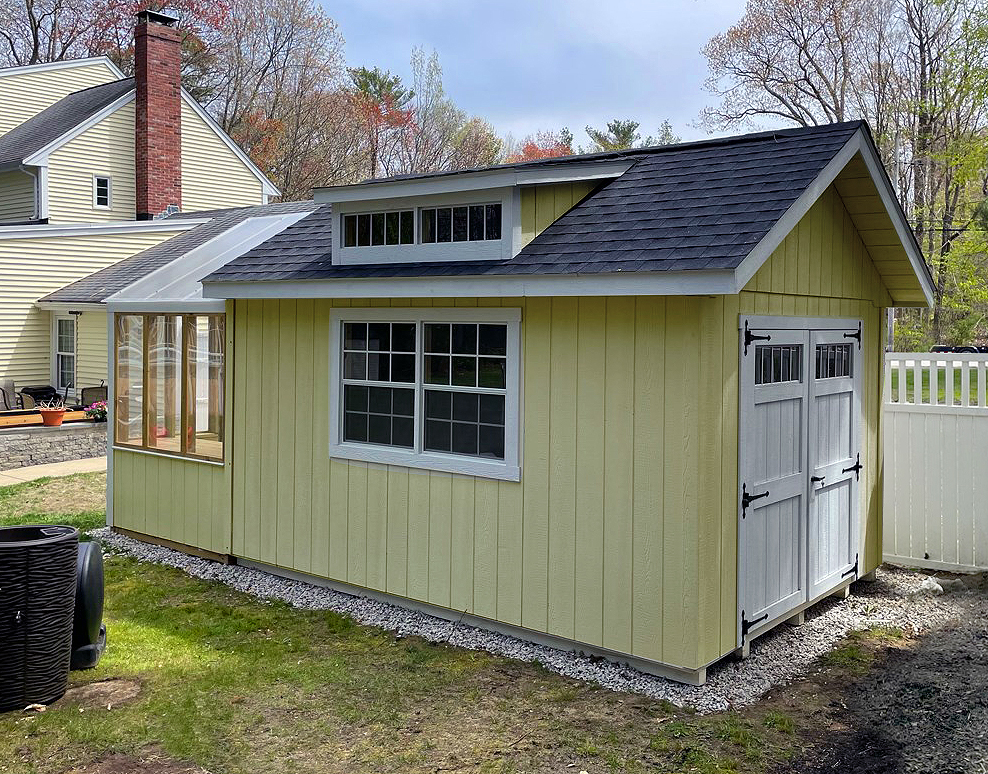
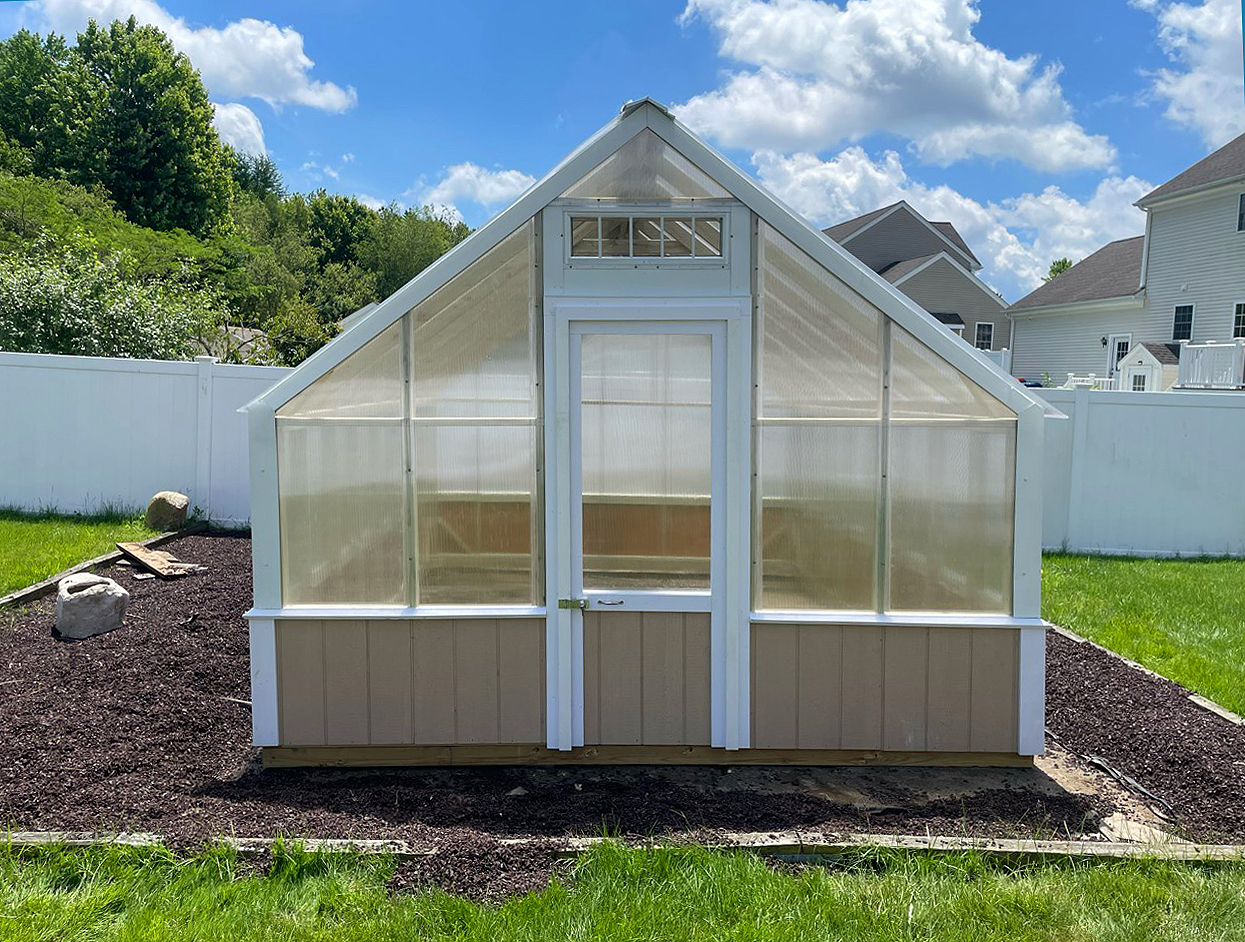
Greenhouse Design Gallery
Frequently Asked Questions
What size greenhouse works best for a typical backyard in Hingham?
The right size depends on how you plan to use it, how much working room you need, and how the structure fits the yard and broader property layout.
Where should a residential greenhouse be placed on the property?
It should go where it gets reliable light, drains well, and feels easy to reach. Placement also affects how naturally the structure fits into the rest of the property.
How much sunlight do greenhouses need each day?
Most benefit from several hours of direct light each day, but exact needs depend on what you plan to grow and how the structure is positioned.
What materials work best for a greenhouse in Massachusetts weather?
The best fit depends on the structure design, local exposure, and upkeep expectations. Material choices should support both weather performance and the way the greenhouse will be used.
Can greenhouses help extend the growing season in Hingham?
Yes. They create a more protected place for seedlings, seasonal transitions, and sensitive plants that would be harder to manage in open beds alone.
Do homeowners need water or electricity in a greenhouse?
Not always, but both can make the space easier to use. That usually depends on how often it will be used and what it needs to support.
How much upkeep do residential greenhouses usually need?
Most need routine cleaning, seasonal checks, and basic maintenance to stay comfortable and functional. A greenhouse that is easier to regulate is usually easier to keep active.
Can greenhouses be designed to match the look of the house and yard?
Yes. A greenhouse should feel well-matched to the property rather than looking like a separate add-on. That is part of what makes planning and fit important.
What should homeowners know before installation starts?
Sunlight, drainage, access, layout, and daily use all matter before installation begins. A better result usually starts with a clear plan for the property.
When does it make sense to choose a custom greenhouse instead of a prefabricated one?
A custom greenhouse usually makes more sense when the property has specific site conditions, the homeowner wants a better fit, or the layout needs more flexibility.
Conclusion
Residential greenhouses are most useful when they are planned around the property, the way the space will be used, and the level of support the homeowner actually needs. For homeowners in Hingham, Outdoor Personia’s services can help turn that idea into something that feels useful, personal, and well-suited to the property.
Contact Outdoor Personia at (508) 883-4043 or visit outdoorpersonia.com to talk through the next step.