
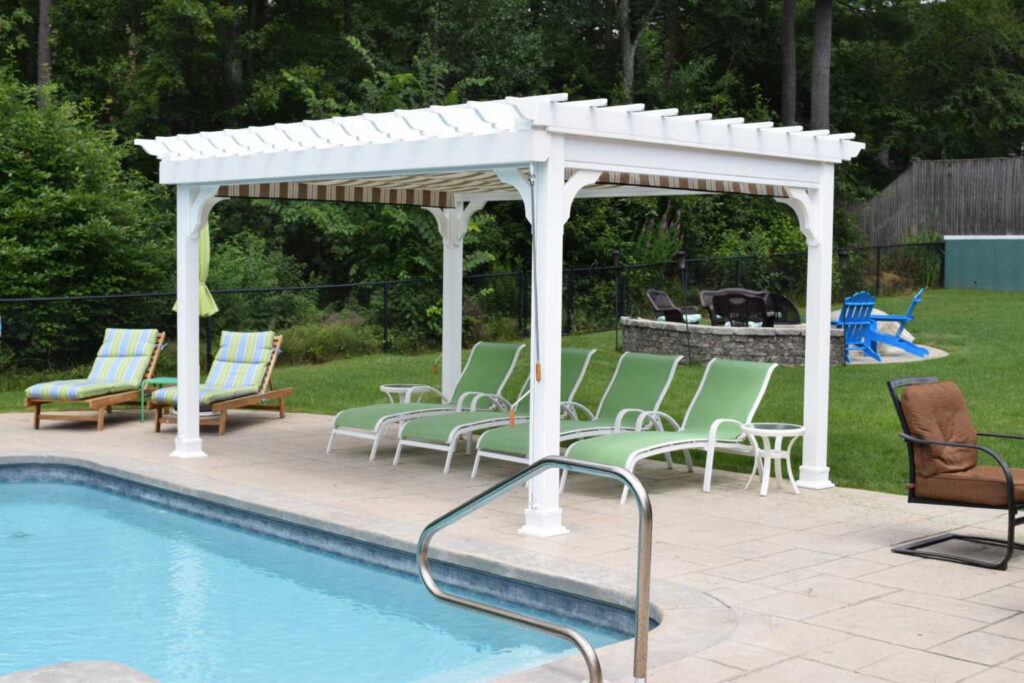
A lot of homeowners start in the same place: they look at the water, picture some shade nearby, and assume that’s enough to shape the project. It usually isn’t.
A poolside pergola in Cohasset, MA has to do more than sit beside the water and look good from a few angles. It affects how people move through the yard, where they gather, and whether the space still works once everyday use takes over.
That matters because a backyard like this is rarely just for swimming. It’s also where people dry off, watch kids, sit with family, and spend time outside without getting in the water. Outdoor Personia takes that broader view, helping homeowners plan a structure that fits their property as a whole.
Why the pool isn’t the whole project
It’s easy to treat the water as the center of every decision, but that often leads to a layout that feels narrow and incomplete. It’s only one part of how the yard gets used. The surrounding patio, access from the house, and the way the landscape connects the space matter just as much.
When a poolside pergola is planned with only the water in mind, the rest of the yard can start to feel secondary. When it’s planned around the full setting, the result feels more natural, more balanced, and more useful over time.
Plan for how the yard gets used before and after swim time
Most of the activity around the water happens outside it. People are grabbing towels, setting down drinks, sitting with family, watching children, or cooling off in a shaded seat before heading back in.
That everyday use should help shape the layout from the beginning.
Make the pergola support the full backyard composition
Scale and placement matter because the structure won’t be viewed in isolation. It’s seen alongside the house, the seating areas, and the rest of the landscape.
If it feels too large, pushed too tightly to one side, or disconnected from the surrounding design, the whole yard can feel off balance.
Start with layout, circulation, and usable square footage
Good planning starts on the ground. Before choosing finishes or settling on a style, it helps to look at how people actually move through the space and where they naturally gather.
A well-planned setup should make the yard easier to use, not more crowded.
Keep walk paths, furniture zones, and sightlines clear
There should be enough room to move comfortably between the house, the sitting area, and the water without squeezing around furniture or cutting through someone else’s space. Clear circulation makes the area feel calmer and easier to use, while open sightlines keep the yard from feeling boxed in.
A few basics usually make the biggest difference:
- Keep major walking routes open.
- Leave enough room around chairs and tables.
- Avoid placing the structure where it interrupts the natural view across the yard.
Size your pergola around real use, not just visual impact
Bigger isn’t automatically better. A larger pergola may look impressive on paper, but if it crowds the sitting area or overpowers the surrounding space, it can create more problems than it solves.
The right size depends on what that part of the yard needs to do. You may want it to cover a seating area, define a dining spot, or give the space more structure without making it feel cramped.
Plan for Cohasset’s coastal conditions
In Cohasset, a poolside pergola has to do more than look good during the summer. It needs to hold up in a setting shaped by salt air, moisture, wind, and long stretches of sun. Those conditions make material and placement more important than they might otherwise be.
Comfort is also a major consideration. A space can look right on paper and still fall short once afternoon glare hits the water or the breeze picks up.
Choose materials and finishes with moisture and salt air in mind
Being near the water brings more humidity, more damp surfaces, and more wear on finishes than many homeowners expect. In a coastal setting, that’s layered on top of salt exposure and seasonal weather.
That’s why the material you select needs to be about more than appearance. The right choice should also make sense for upkeep, long-term performance, and the level of maintenance you’re realistically willing to take on.
Think through sun angles, wind exposure, and seasonal comfort
The same structure can feel very different depending on where it sits.
Late-day sun can make one side of the yard uncomfortable, while glare off the water can make a seating area feel brighter and hotter than expected. Add coastal breeze into the mix, and a spot that seemed ideal during a quick walk-through can end up feeling too exposed.
Tie the pergola into patios, hardscape, and landscape design
The pergola isn’t the whole picture. What sits beneath it and around it does much of the work in making the area feel settled. If the relationship between the structure, nearby hardscape, and the surrounding landscape feels forced, the whole project can end up looking disconnected.
The best spaces usually feel grounded. They don’t look like one feature was chosen first and everything else had to work around it later.
Use the ground plane to anchor the structure visually
The surface below your pergola shapes how it reads from every angle. A well-sized sitting area can make the covered zone feel intentional, while mismatched materials or awkward transitions can make it look like it landed in the wrong place.
Connect the pool zone to the rest of the property
A strong layout shouldn’t feel cut off from the rest of the yard. Seating areas, planting beds, nearby gathering spots, and the route back to the house all influence how connected the space feels.
When those transitions are handled well, the area becomes part of your home’s larger outdoor living plan instead of acting like its own separate zone.
Decide how much shade and weather coverage you actually need
Not every setup needs to create the same kind of coverage. Some homeowners want a lighter touch that softens direct sun and adds usable shade without making the space feel closed in. Others want more protection from heat, glare, or shifting weather so the area stays comfortable for longer stretches of the day.
That decision affects more than comfort. It also shapes how open the yard feels and how the space gets used once people are actually spending time there. Starting with coverage needs typically leads to a better result than choosing a style first and trying to make it work afterward.
Compare filtered shade, retractable options, and stronger coverage
A more open design can work well when the goal is to define a sitting area without making the yard feel heavier or more enclosed.
Other options offer more control. Adjustable features or more substantial coverage can make sense when afternoon sun is intense or when you want the area to stay comfortable beyond the hottest part of the day.
Know when a pergola may not be the best choice
Sometimes a pergola isn’t the best fit. If your outdoor space needs fuller weather protection, room to change and store towels, or a more enclosed place to gather, another structure may make more sense.
A pavilion, gazebo, or pool house can serve those needs better when the goal goes beyond filtered shade and into longer, more flexible everyday use.
Consider comfort, safety, and maintenance around the pool
A poolside area has to work when it’s wet, active, and in regular use. That means leaving enough room around furniture, avoiding tight transitions, and thinking through how people actually move through the space with bare feet, towels, bags, or drinks in hand.
It also helps to think ahead about upkeep. Surfaces near the water need regular cleaning, and the surrounding area should stay easy to maintain without making routine care more difficult than it needs to be.
A few practical considerations are worth thinking through early:
- Leave enough open area for chairs, side tables, and everyday movement.
- Avoid cramped transitions where wet traffic tends to bunch up.
- Make sure the surrounding surfaces stay easy to clean and maintain.
Think through lighting, utilities, and service access
These spaces are often planned for daytime use, but that leaves out a big part of how they actually function. Once the sun goes down, lighting affects comfort, visibility, and whether the area still feels inviting after dinner.
It also makes sense to think about what still needs to work around the space. Equipment, service routes, and access points shouldn’t get boxed in by a structure that looked fine during planning but becomes inconvenient later. A better layout keeps the area attractive without making it harder to use or maintain.
Understand the design and installation process before work starts
Often, the best results come from slowing down early and getting the basics right before any installation begins. That means looking at how your property is laid out, how the area gets used, what kind of coverage makes sense, and how the pergola should relate to the rest of the yard.
It’s also worth thinking through site conditions early. Grade changes, surrounding surfaces, access, and the relationship to nearby gathering areas can all influence the final plan.
When the design, construction, and installation path are considered together, the final result is more likely to look right, work well, and feel like it belongs on the property.
Our Simple Process Makes it So Easy to Work With Us!

Share your vision
We want to understand your dream and then personalize a solution to match your vision.

Let's Collaborate
Once you are happy and approve our proposal, we are ready to get to work!

We'll build it
We will choose the best way to create your structure. Relax and enjoy your dream come true.
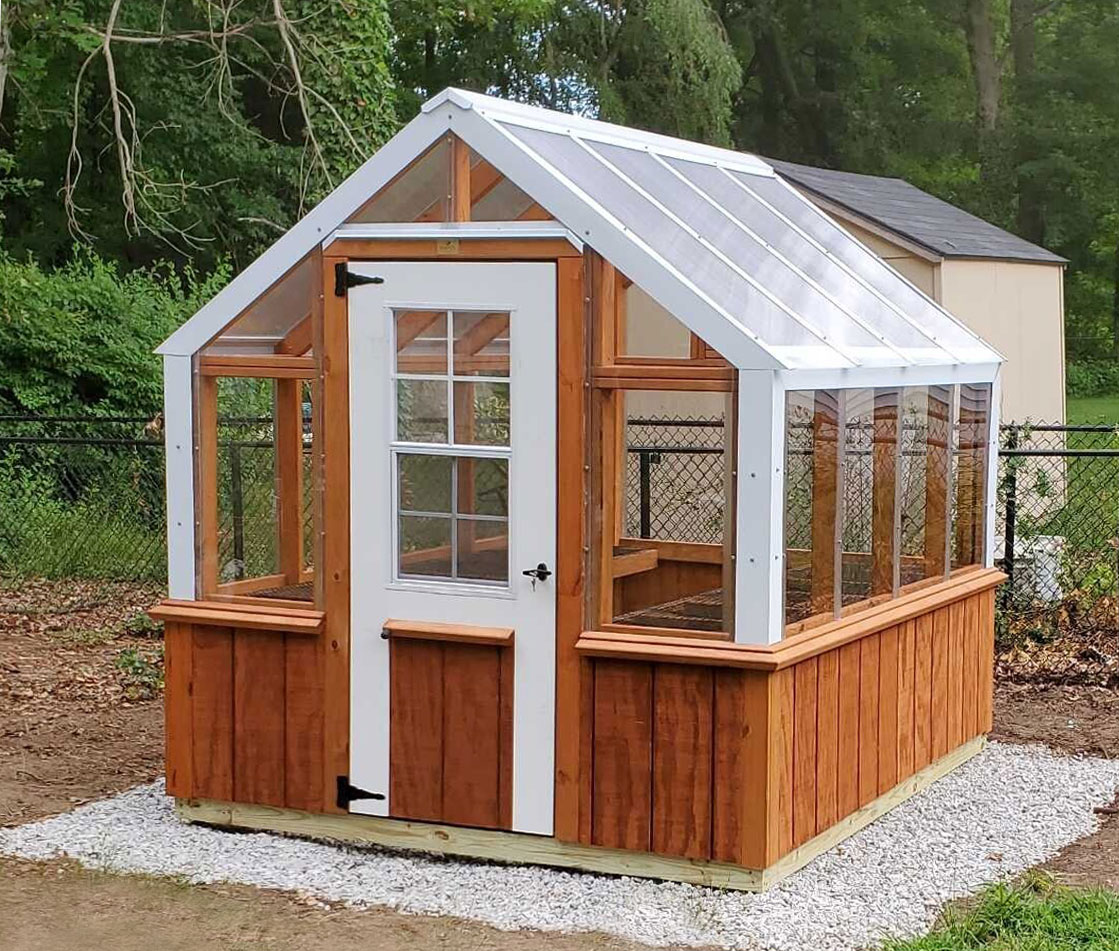
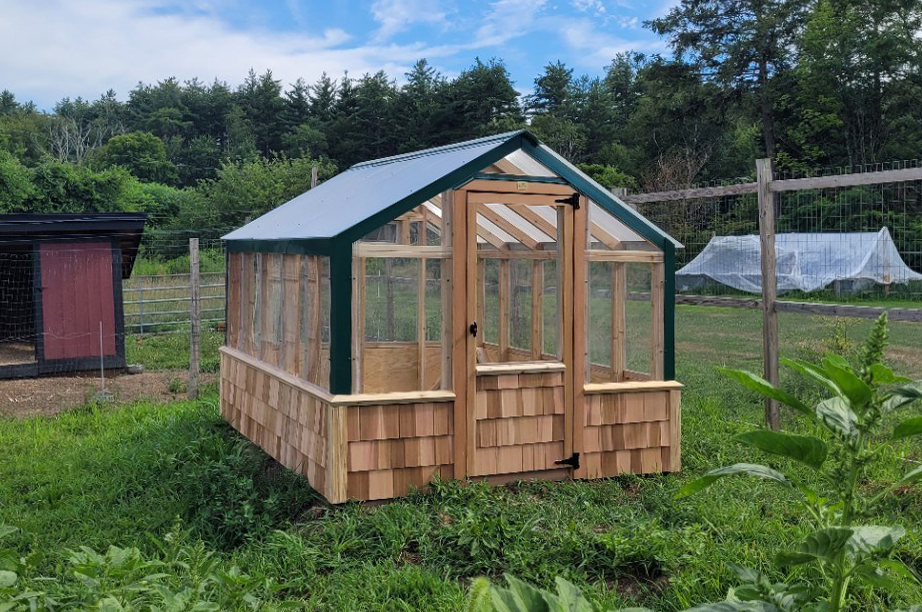
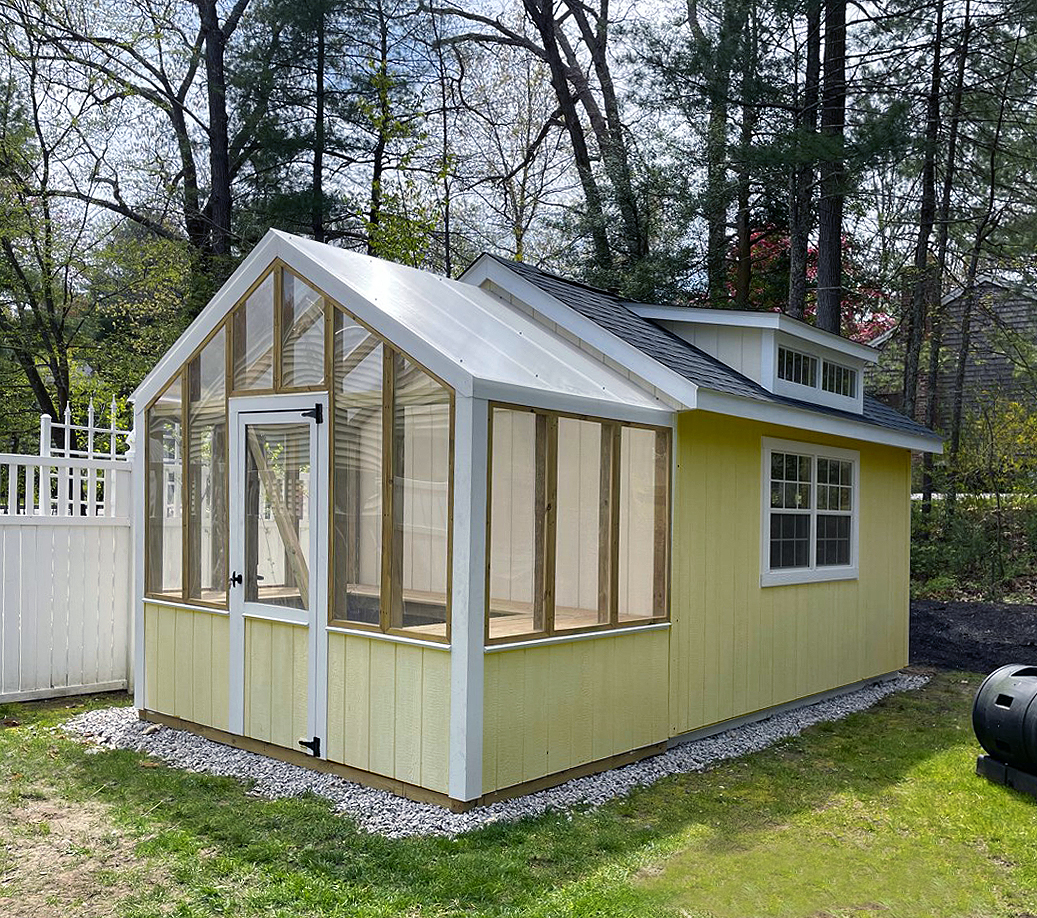
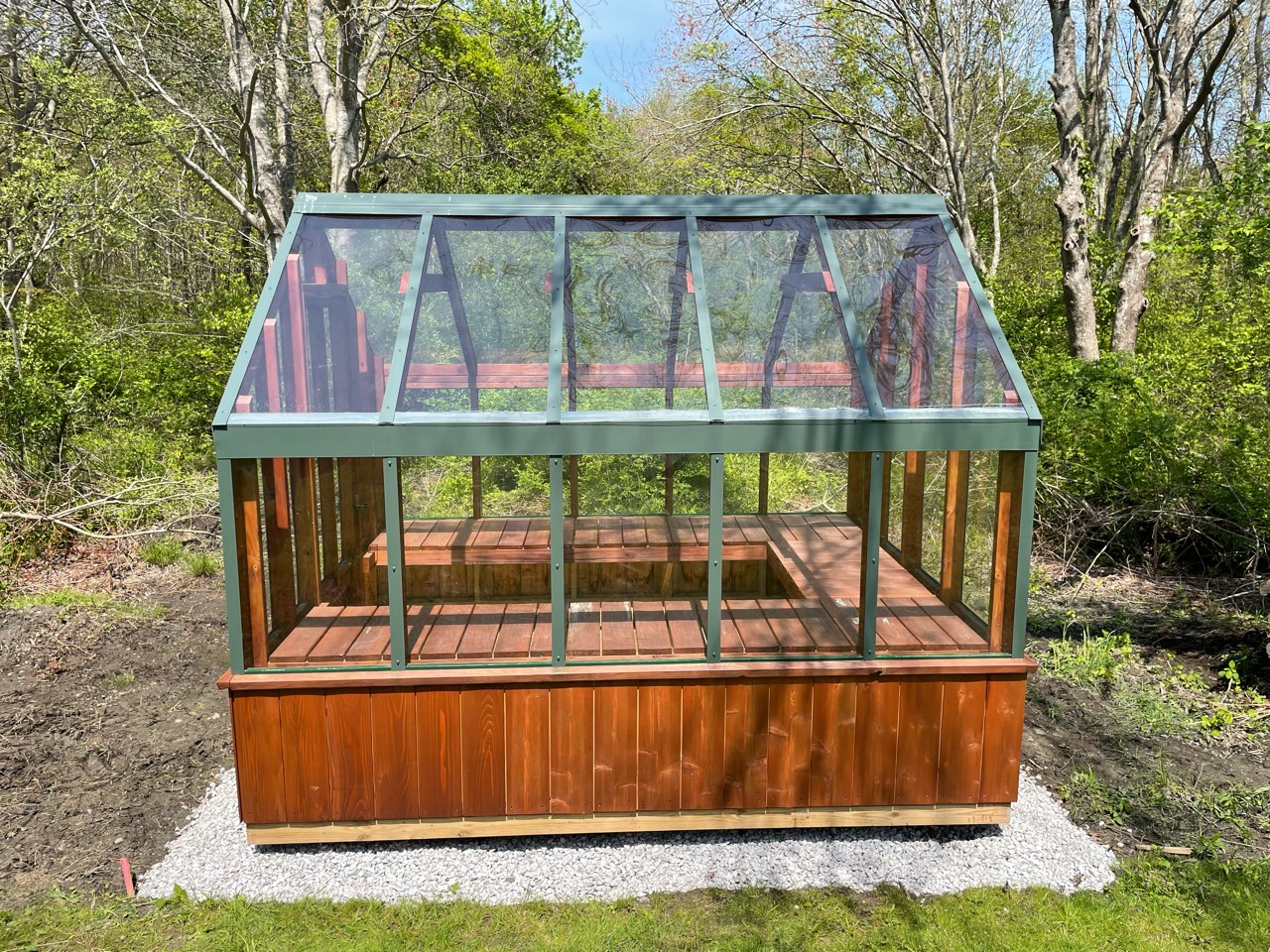
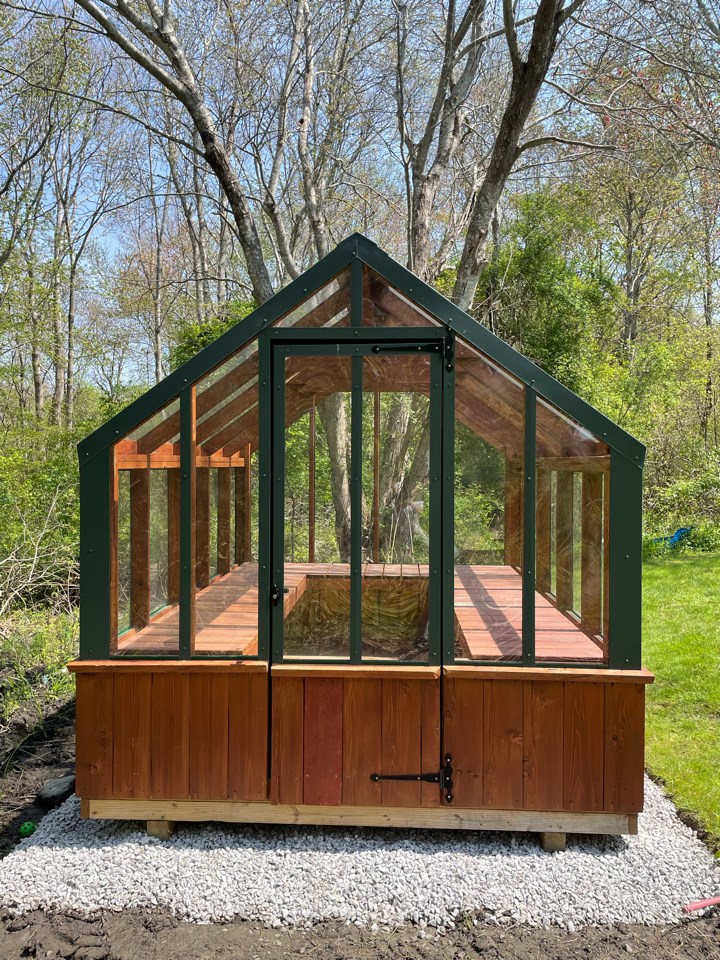
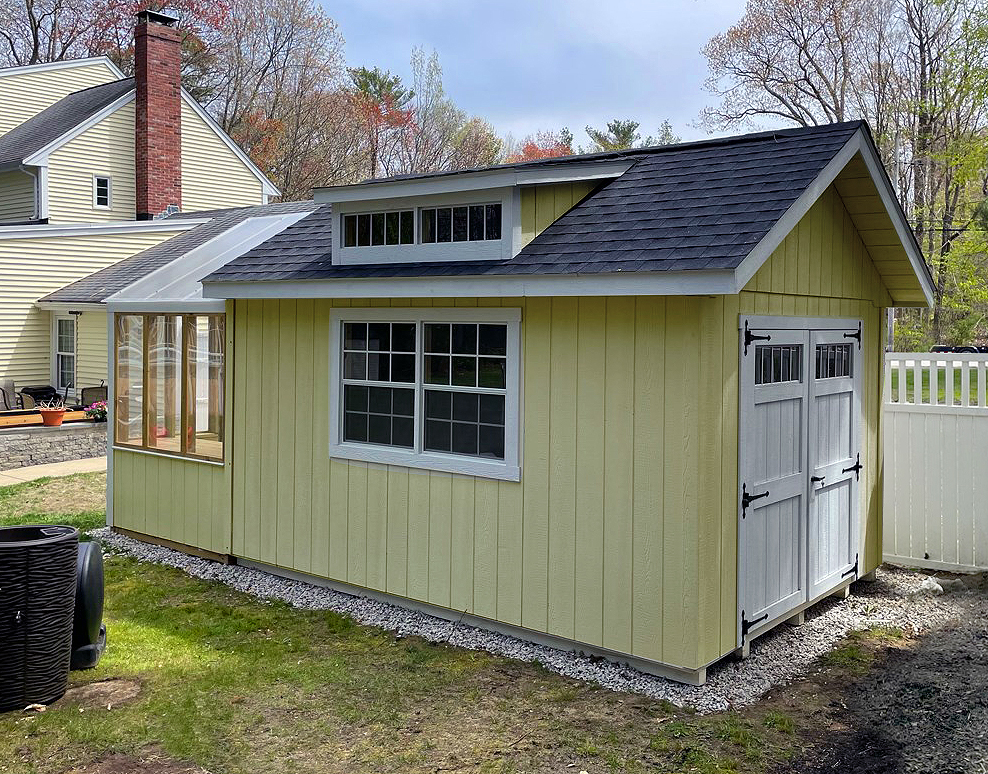
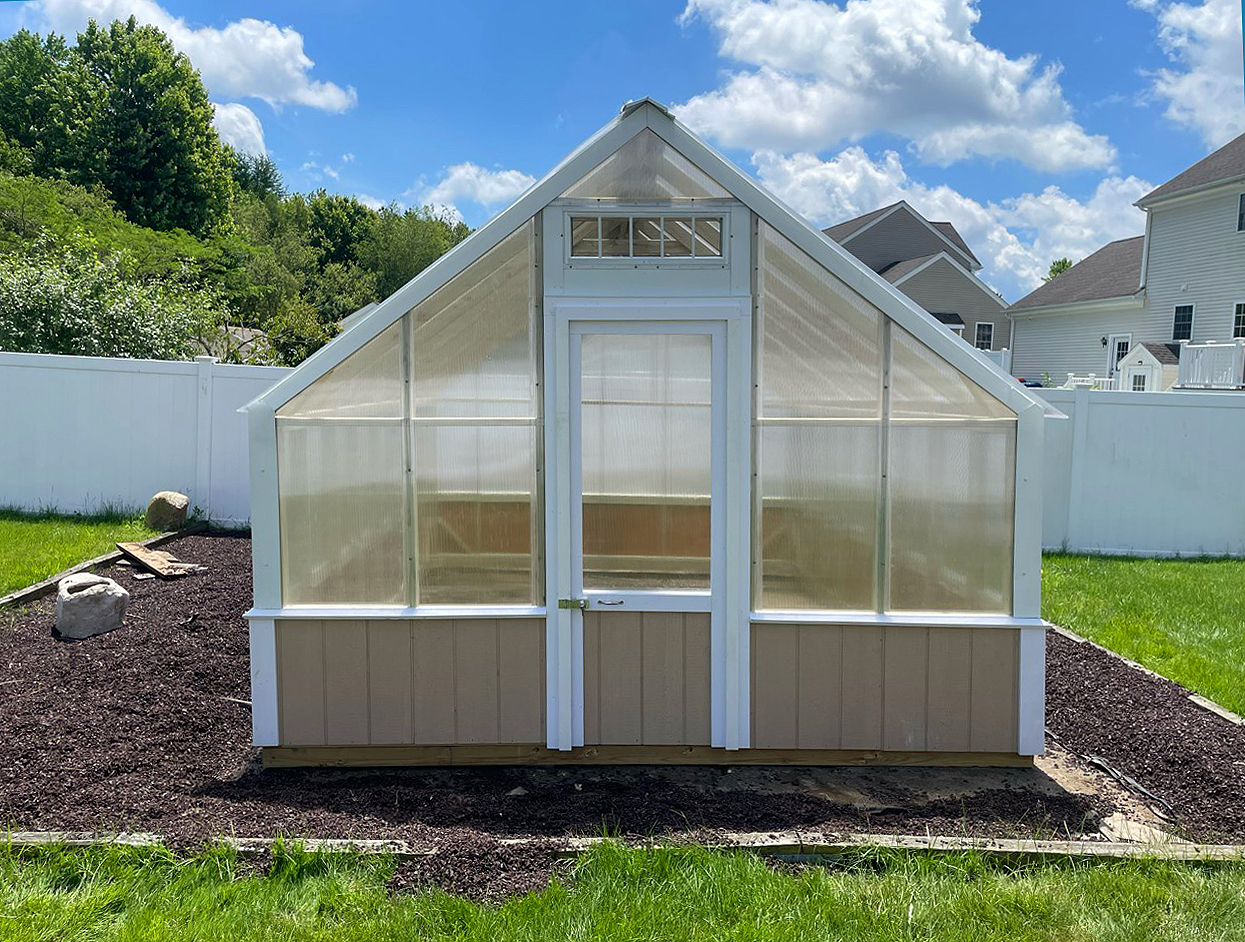
Greenhouse Design Gallery
Frequently Asked Questions
How do you know if a poolside pergola is the right fit for your backyard?
A poolside pergola is often a good fit when you want a defined place to sit, gather, or relax near the water without fully enclosing the space.
Should a poolside pergola sit on the pool deck or next to it?
In many backyards, placing a pergola next to the pool works better because it adds shade and structure without making circulation around the water feel too tight.
What materials hold up best near a pool in coastal Massachusetts?
Materials should be chosen based on how well they handle moisture, sun, and salt air, along with how much upkeep you want to take on over time.
How much shade should a poolside pergola provide?
It should provide enough shade to make the area more comfortable during the parts of the day when the pool and surrounding space are used most.
Can a pergola be designed to work with existing patios or hardscape?
Yes. A well-planned pergola should relate to the existing patio, hardscape, and landscape so the overall area feels cohesive, functional, and better resolved.
When does a pavilion or pool house make more sense than a pergola?
A pavilion or pool house may make more sense when you need greater shelter, more privacy, or dedicated space for changing, storage, or poolside amenities.
Do you need to think about drainage and slip resistance around a pergola?
Yes. Drainage, runoff, and slip resistance matter around any poolside structure because wet surfaces and awkward transitions can make the space less safe and harder to maintain.
Can lighting or utilities be added to a poolside pergola area?
Yes, but it is usually better to plan for lighting, power, and other utilities early so the layout, access, and overall design remain practical.
What should homeowners expect during the design and installation process?
Homeowners should expect the process to start with the property, the pool layout, and how the surrounding outdoor space needs to function day to day.
How do you keep a poolside pergola looking good over time?
Keeping a poolside pergola looking good usually comes down to practical material choices, regular cleaning, and enough clearance around the structure to make upkeep easier.
Conclusion
A poolside pergola should do more than take up space near the water. It should make the yard more comfortable to use, support the way the space functions, and feel connected to the rest of the property. Getting there takes real planning around layout, shade, surrounding surfaces, long-term upkeep, and how the area will actually be used over time.
For homeowners weighing those decisions, Outdoor Personia can help assess the full property and guide the project in a direction that makes sense for the space. To learn more about your next steps, call (508) 883-4043 or get started online.