
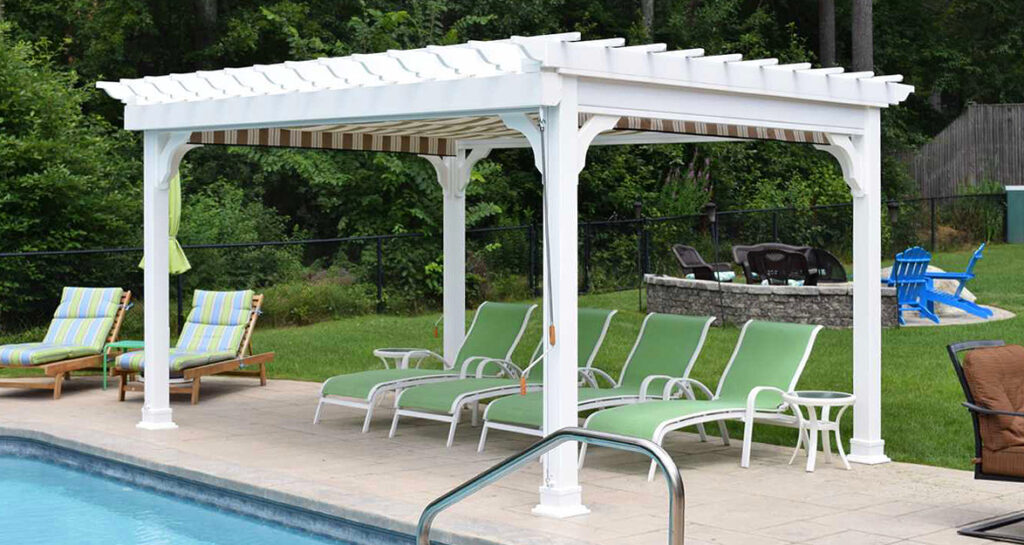
Planning a custom pergola in Rhode Island starts with a simple question: what does this part of your property need to do? Before you choose materials, colors, or decorative details, think about how you want to gather, eat outside, move through the yard, or use the pool area.
For Rhode Island homes, that also means looking at sun, wind, views, and how the pergola connects to an existing patio, garden, deck, or walkway. At Outdoor Personia, we approach pergolas as part of a larger outdoor living plan, so the structure feels connected to the way your property already works.
Why a custom pergola should start with the way you use the space
A pergola works best when its size, placement, and details are tied to everyday use. If you want shade for family dinners, the layout needs room for a table, chairs, walking space, and the angle of the afternoon sun. If you want a quiet place to sit, privacy and garden views may matter more.
Thinking through those details early keeps the finished area practical. It also helps the pergola feel connected to your home, patio, and yard, rather than looking like it was added later.
Begin with the main use case
Think about what will happen under and around the pergola most often. It may frame an outdoor dining area, create shade near the pool, define a seating area, or guide people between the house and garden.
That answer affects the footprint, post placement, shade coverage, and furniture layout. A pergola for a grill station should not be planned the same way as one meant for reading, conversation, or entertaining guests.
Match the pergola to the home and landscape
A well-planned pergola should respect the property’s scale and style. Rooflines, siding colors, patio edges, garden beds, windows, and walkways all play a role.
The goal is a structure that fits naturally into the setting. That may mean aligning it with an existing patio, preserving a view from inside the home, or placing it where shade and traffic flow make the most sense.
What Rhode Island homeowners should plan before installation
Before installation, look closely at the site itself. A pergola may seem straightforward on paper, but several practical details can affect how well the finished area works:
- Sun exposure and shade patterns
- Wind, moisture, and drainage
- Patio edges, footings, and nearby landscaping
- Gates, slopes, driveways, and crew access
- Town rules, HOA requirements, or other local approvals
These details can vary by property. A coastal yard, wooded lot, and suburban patio may each need a different approach. The right plan starts with the ground, the exposure, and the path materials and crews will use to reach the work area.
Look at sun, wind, drainage, and placement
Sun direction guides where the pergola sits and how the top is oriented. Morning shade, afternoon heat, and evening glare can all change how usable the area feels.
Wind and moisture also affect how the pergola should sit on the property. Some homes deal with salt air or open exposure, while others need closer attention to tree cover, damp soil, or runoff. Drainage around posts, footings, and patio edges should be reviewed before construction begins.
Consider permits, HOA rules, and site access
Local rules can vary by town, property type, and pergola size. Before work begins, ask what your builder will help clarify and what you should confirm with your town or homeowners association.
Access is another practical detail. Gates, slopes, driveways, fences, and existing landscaping can affect how materials reach the site and how much preparation is needed before crews arrive.
How to compare pergola materials, style, and shade options
The right design depends on the look you want, the upkeep you’re comfortable with, and how the structure should relate to your home. Material, color, post style, beam spacing, and shade coverage all affect how the finished area works.
There is no single best choice for every property. A sunny patio, poolside seating area, and garden walkway may each call for a different balance of material, scale, and coverage.
Compare wood, cedar, vinyl, and lower-maintenance choices
Wood and cedar are often chosen for their natural character. They can work well with gardens, traditional homes, and properties where a warmer look fits the setting. They also need care over time, including cleaning and, depending on the finish, periodic staining or sealing.
Vinyl and other lower-maintenance choices may suit homeowners who prefer a cleaner look with less routine upkeep. The right option depends on exposure, appearance goals, budget, and how involved you want to be with maintenance.
Plan for shade, privacy, lighting, and furniture
A pergola should be planned around what will sit beneath it. Dining tables, lounge seating, walkways, grills, and pool furniture all need enough room to work comfortably.
Shade can be shaped through placement, beam spacing, lattice, and orientation. Privacy panels, lighting, and nearby landscaping can also make the area easier to use. Talk through those details before the frame size and layout have been finalized.
What to ask before choosing a pergola builder
A good pergola builder should make the planning process clearer, not leave you guessing. Before you compare quotes, ask how each builder handles design, site review, installation, materials, and follow-up.
Price matters, but it doesn’t tell the whole story. A lower number can look appealing until you realize it leaves out site preparation, delivery details, finish choices, or warranty terms. Compare the full scope, not just the total.
Ask what is included in the estimate
A complete estimate should explain what you are actually paying for, including:
- Pergola size, material, and finish
- Layout, post placement, and site requirements
- Installation details and access needs
- Any preparation needed before work begins
- Cleanup, warranty information, and homeowner responsibilities
Ask how changes are handled if the patio layout, post placement, or material selection shifts during planning. You should also understand what falls to the homeowner and how cost changes are communicated.
By the time you compare estimates, you should know what is included, what is still open, and which site or design details could affect the final scope.
Review communication, warranty support, and project management
Good communication can prevent frustration. Ask who your main point of contact will be, how scheduling is handled, and what information you will receive before installation day.
Warranty details also deserve a clear conversation. Some coverage may apply to select structures or components, while other items may depend on materials, maintenance, or site conditions. You should know what is covered, what isn’t, and what care is expected.
A builder should also be able to walk through site questions, material options, delivery needs, and installation expectations. That kind of guidance gives you a clearer path than working with someone who only sells the frame.
How Outdoor Personia approaches custom pergola planning
At Outdoor Personia, we start with the property and how you want to use it. That means looking beyond the pergola itself and considering the patio, yard, views, traffic flow, shade, and daily use.
Our team designs and builds custom outdoor structures for homeowners and select commercial clients across New England. For pergolas, that guidance may include layout, materials, scale, installation needs, maintenance expectations, financing options, and warranty support on select structures and components.
The process is practical and personal. We want the finished structure to feel connected to your property, not treated like a frame chosen from a catalog.
Our Simple Process Makes it So Easy to Work With Us!

Share your vision
We want to understand your dream and then personalize a solution to match your vision.

Let's Collaborate
Once you are happy and approve our proposal, we are ready to get to work!

We'll build it
We will choose the best way to create your structure. Relax and enjoy your dream come true.
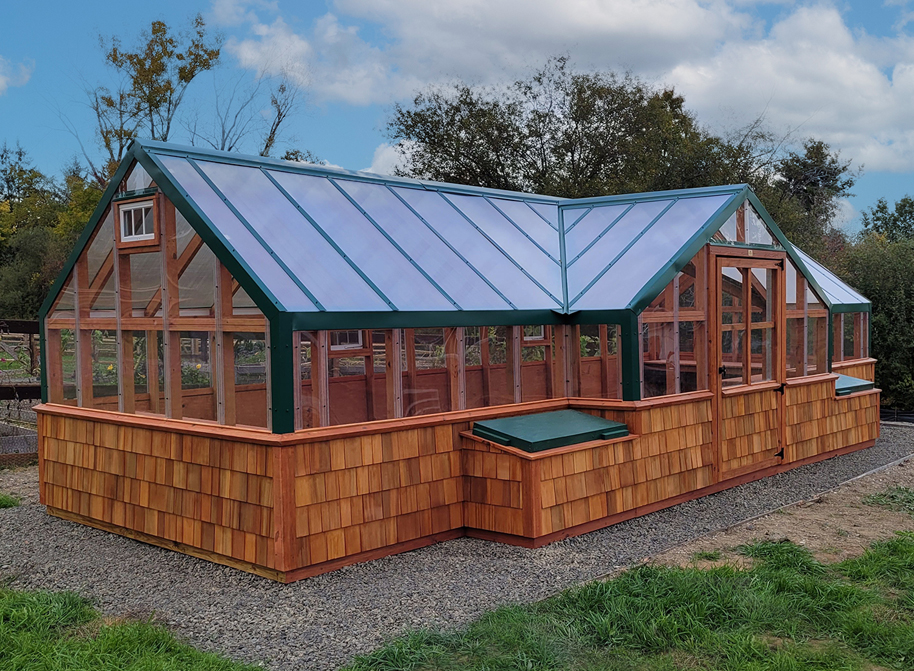
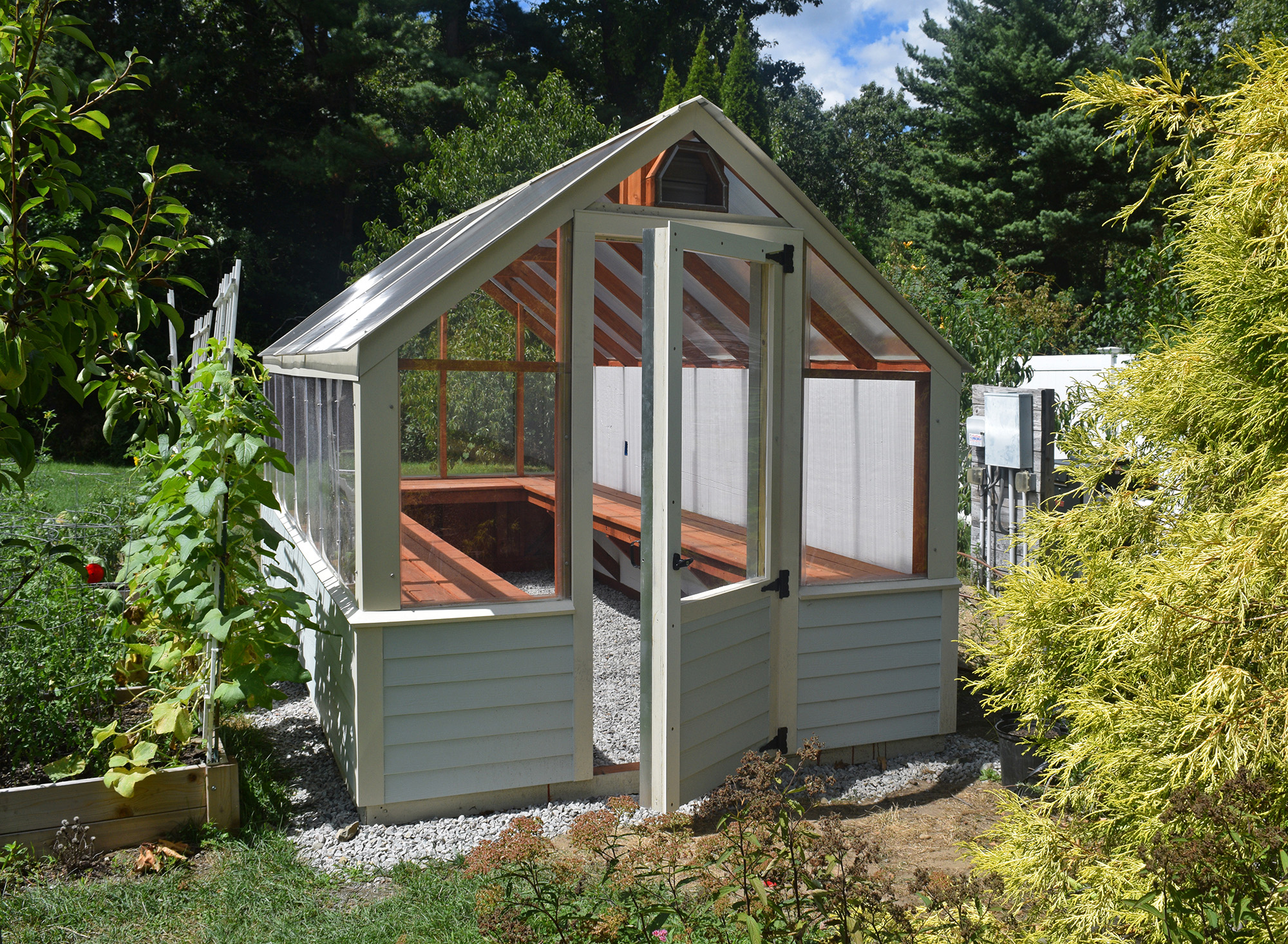
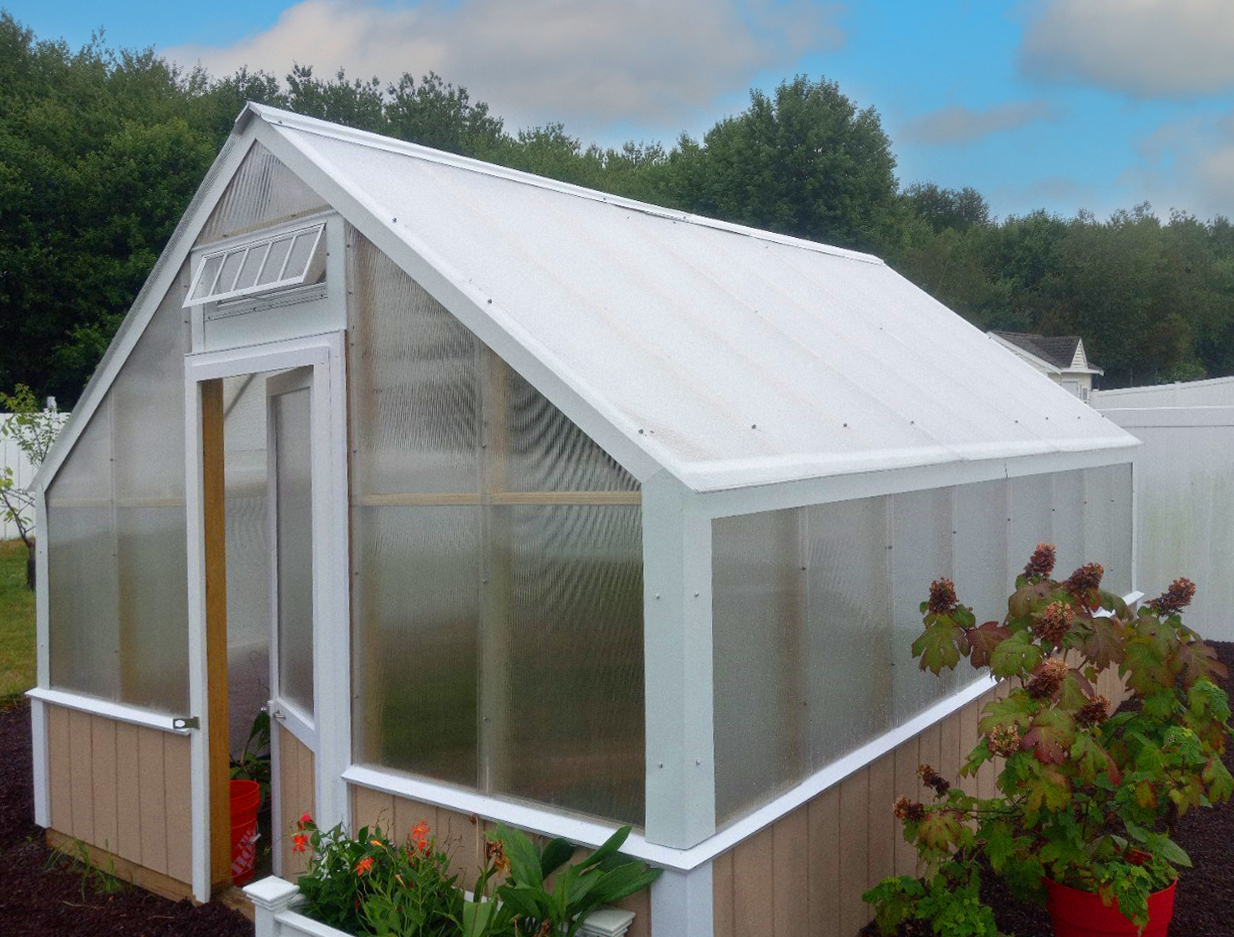
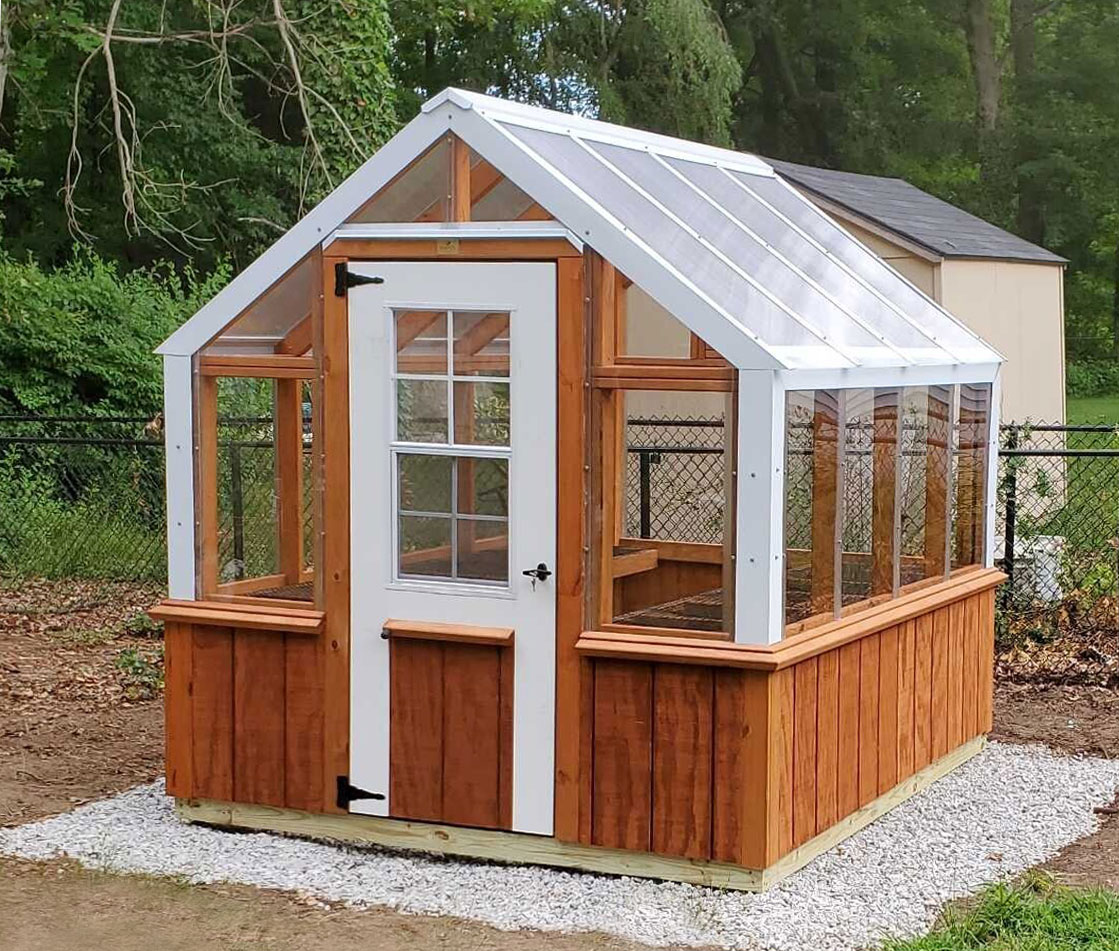
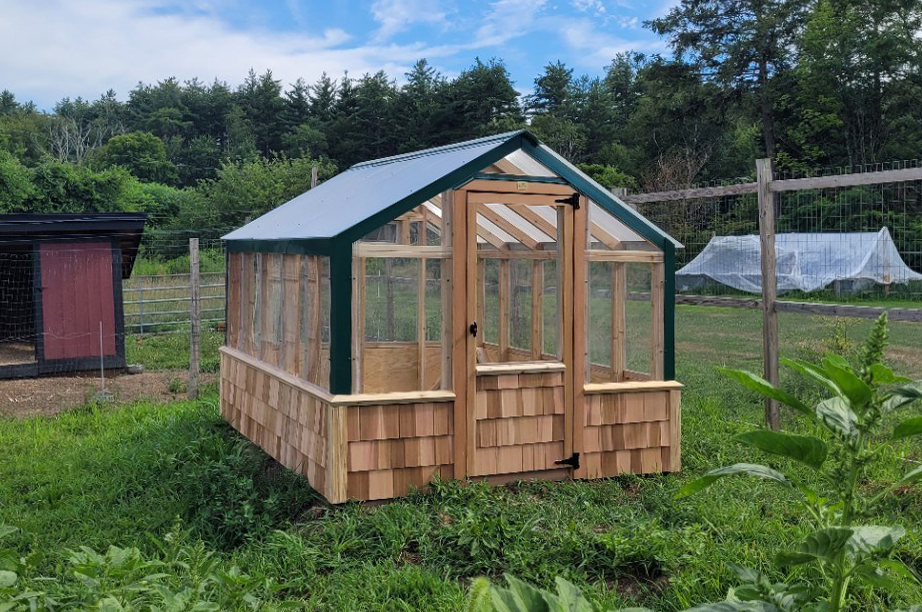
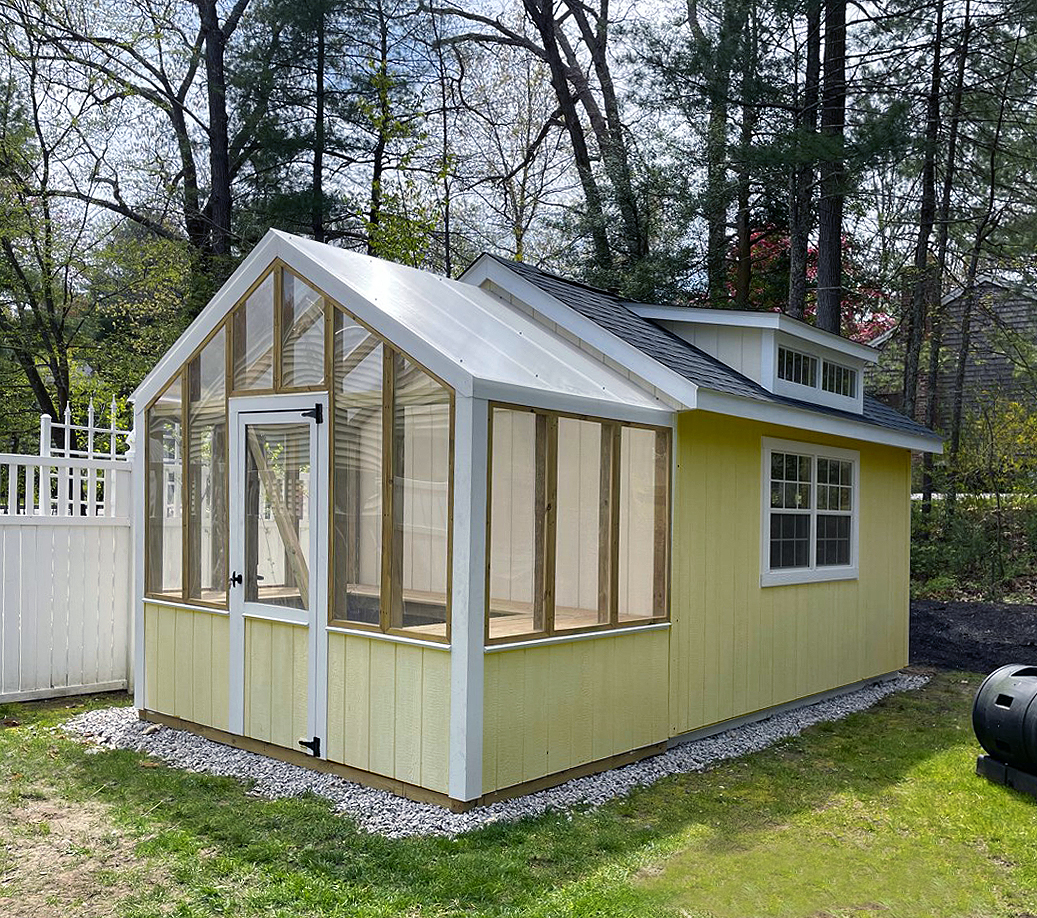
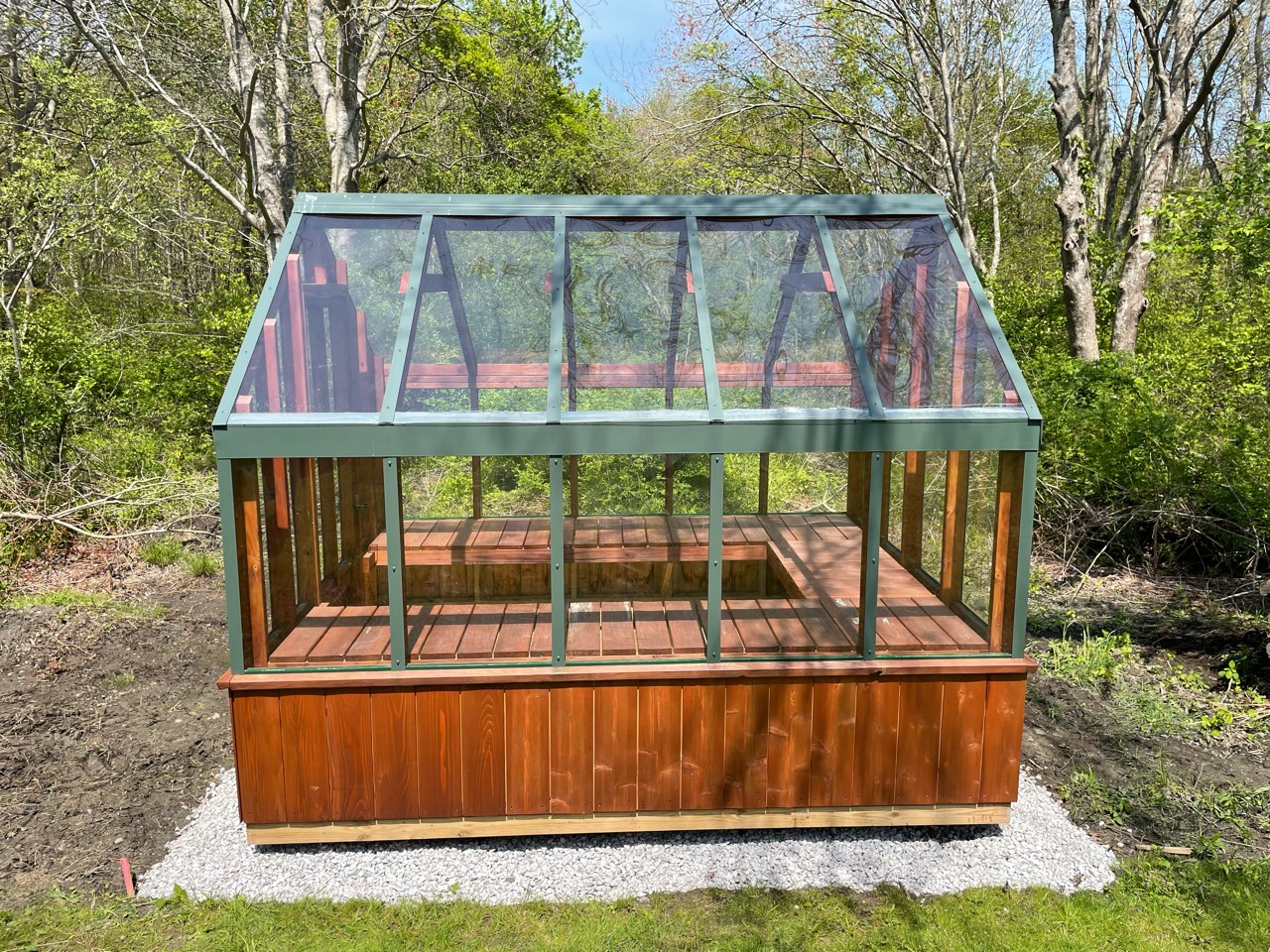
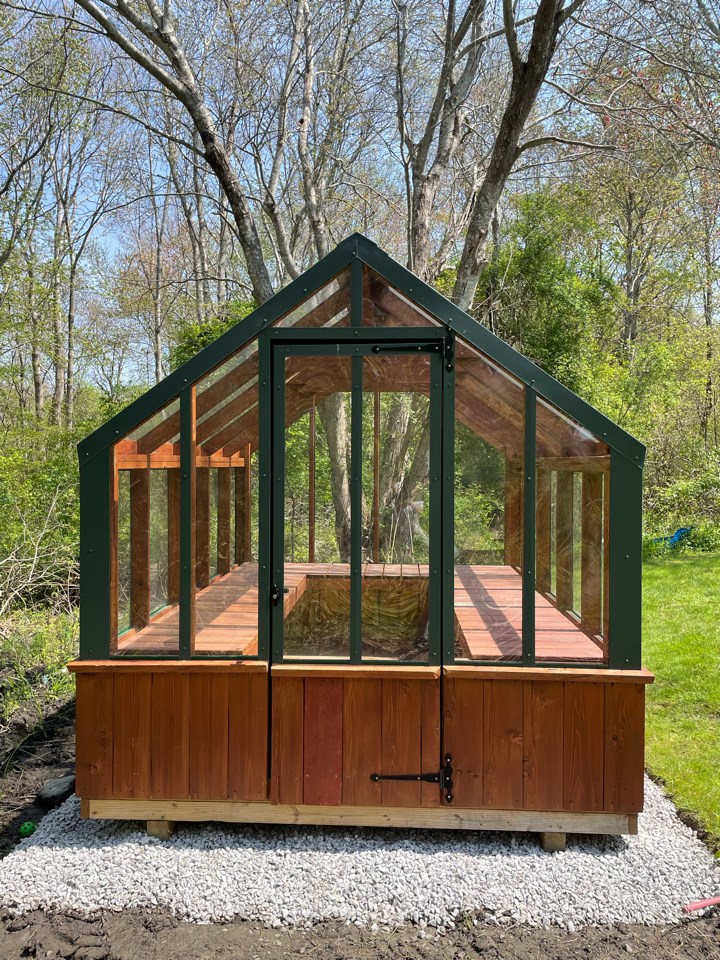
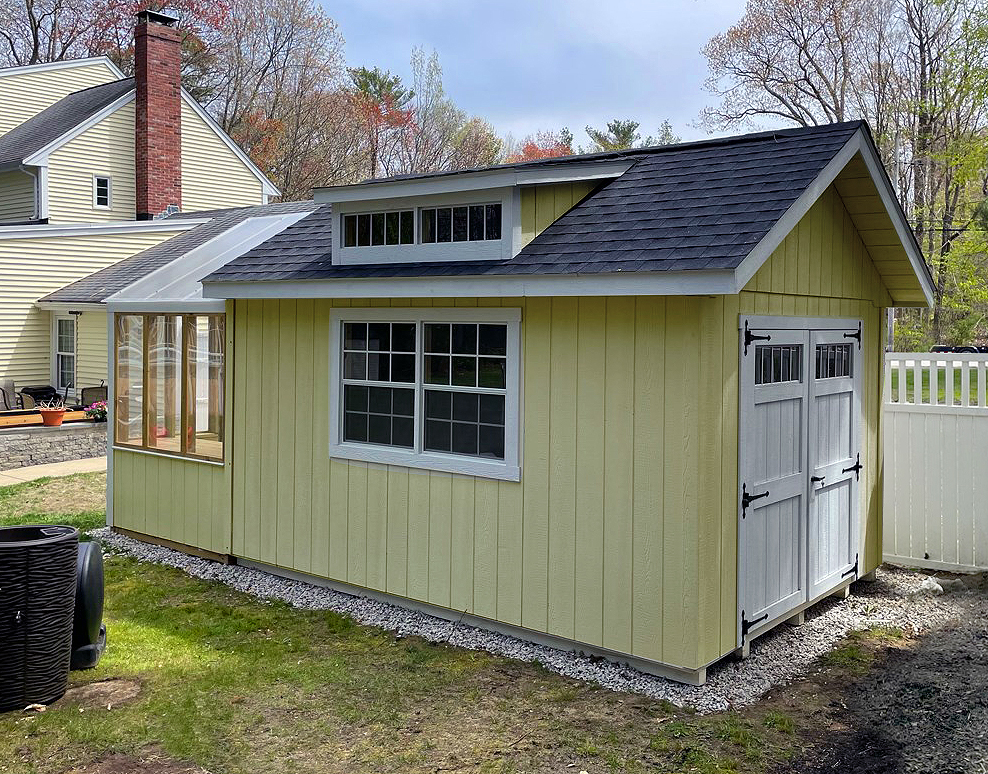
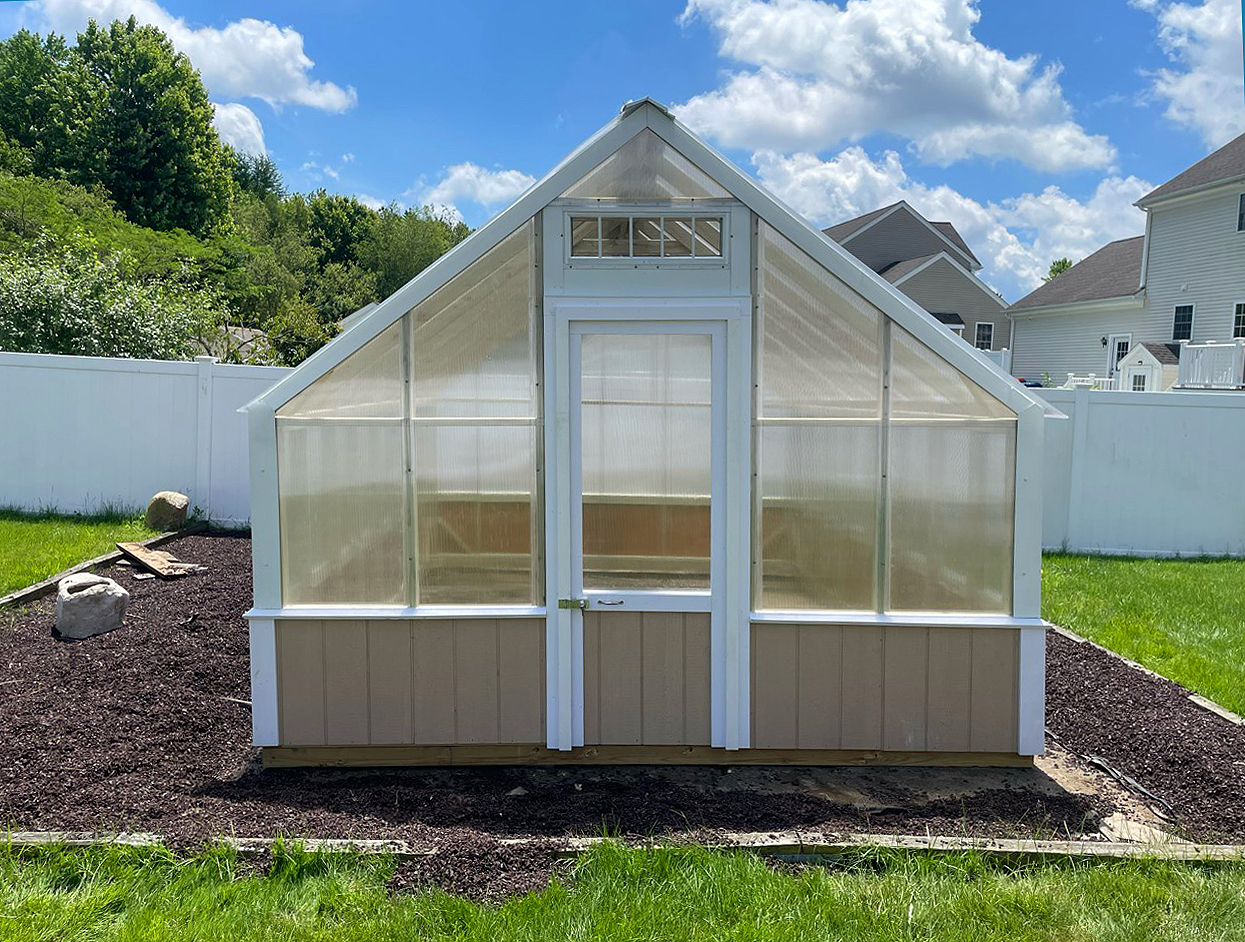
Greenhouse Design Gallery
Frequently Asked Questions
What should I consider before building a pergola?
Start with how you plan to use the area, then look at shade, materials, site conditions, local rules, and how the pergola will connect to the property.
Is a custom pergola better than a pergola kit?
A pergola kit can work for a straightforward setup. A custom option makes more sense when size, materials, post placement, or site conditions need closer planning.
What materials work well for pergolas?
Wood, cedar, vinyl, and lower-maintenance options can all work. The right choice depends on exposure, upkeep, appearance, and how often the area will be used.
Can a pergola be installed on an existing patio?
Often, yes. The patio should be reviewed for condition, drainage, access, and post placement before the final design is confirmed.
Do pergolas provide enough shade?
Pergolas usually provide filtered shade rather than full coverage. Beam spacing, placement, lattice, nearby trees, and privacy features can all affect comfort.
Do I need a permit for a pergola?
Permit requirements vary by town, size, attachment method, and property type. Check local rules early and ask what your builder can help clarify.
How do I choose the right pergola size?
Start with furniture, walking room, post locations, and the number of people using the area. Too much coverage can make the yard feel crowded.
Can a pergola be attached to a house?
Some pergolas can relate closely to the home, but attachment depends on siding, drainage, rooflines, structural conditions, and local requirements. Freestanding may fit better.
How much maintenance does a pergola need?
Maintenance depends on material. Wood and cedar may need staining or sealing, while vinyl and similar options usually need routine cleaning.
Why choose Outdoor Personia for a custom pergola?
We plan pergolas around your property, materials, daily use, and long-term expectations, with practical design guidance from the first conversation.
Conclusion
A pergola should be planned around your property, not chosen from a generic checklist. Use, placement, material, shade, maintenance, installation needs, and builder communication all shape how well it works day to day.
If you’re ready to talk through those choices with a team that designs custom outdoor structures around real property use, contact Outdoor Personia at (508) 883-4043. We’ll help you sort through the layout, materials, and planning details before moving forward.