
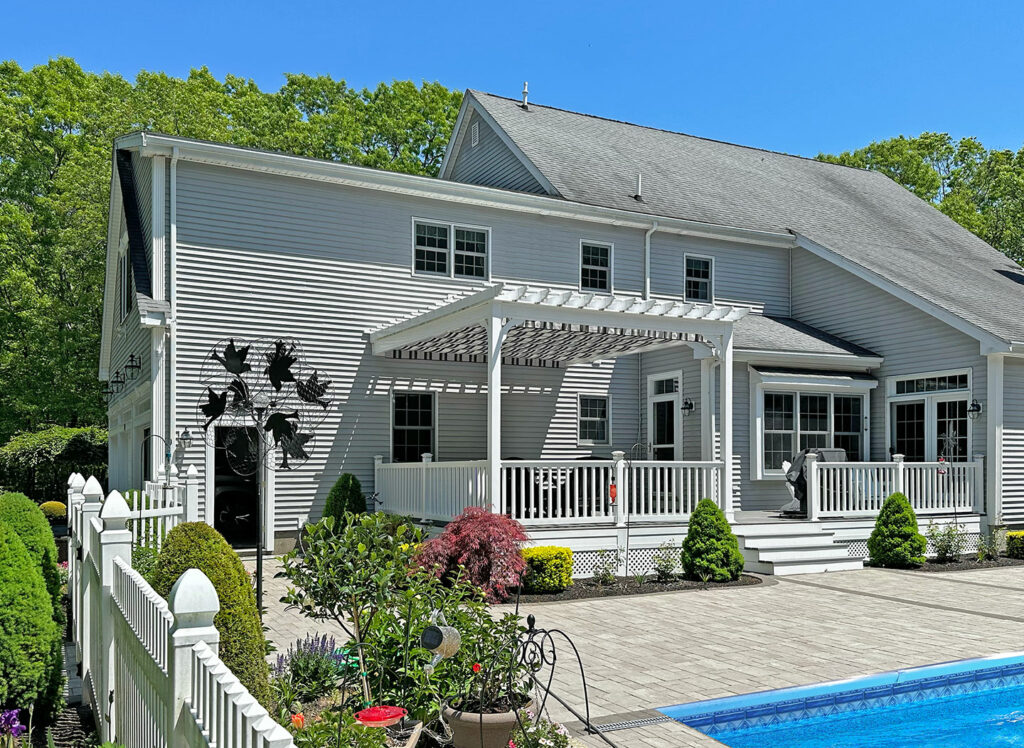
Pergola installation in Massachusetts should start with how you want to use your yard. Before you choose a size or style, look at shade, seating, placement, materials, site conditions, local requirements, and long-term care.
At Outdoor Personia, our team designs and builds custom pergolas and other outdoor living structures for New England properties. We guide the planning process so the finished area feels connected to the home, comfortable to use, and practical for the way you spend time outside.
Why a pergola can make a Massachusetts yard easier to use
A pergola gives an open yard a clearer purpose. It can define a dining area, frame a comfortable place to sit, or make a patio feel more connected to the rest of the property.
Unlike a fully enclosed room, it keeps the area open to air and natural light. That balance works well for outdoor areas that need comfort without feeling closed in.
Where a pergola works better than a fully covered structure
A pergola works well when you want filtered sun, airflow, and a defined seating area without the heavier feel of a roofed structure. Pavilions or gazebos may be better for fuller shelter, while a pergola often feels lighter beside a home, garden, deck, or patio.
How a pergola supports patios, decks, gardens, and pool areas
Good placement starts with the way your yard already works. A pergola can anchor patio seating, soften the transition from a deck to the lawn, create a quiet garden pause point, or make a poolside area feel more organized.
The goal is to give that part of the property an explicit role so it becomes easier to use, furnish, and maintain.
Start with how you want the space to function
Before you choose a footprint, think through what you want to do under the pergola. A quiet sitting area, an outdoor dining setup, and a larger gathering spot all call for different layouts.
A practical plan should account for:
- The furniture you want under the pergola
- How people will move between the house, yard, patio, and deck
- Views from inside and outside the home
- Clearance around chairs, tables, grills, and walkways
Dining, lounging, and everyday seating
Outdoor dining usually needs more room than homeowners expect. A table may fit on paper, but chairs need space to slide back, and people need room to walk around without squeezing past posts or furniture.
Lounging has different requirements. A sectional, two chairs with a side table, or a few chaise lounges may call for a wider, more open layout. If the area will be used often, comfort should guide the measurements.
Room for circulation and future changes
Leave enough room for daily movement, not just the first furniture arrangement. Think about carrying food outside, walking to the grill, reaching a gate, or moving from the deck to the yard.
It’s also worth planning for small changes ahead of time. You may add planters, an outdoor rug, lighting, a larger table, or different seating as your family’s needs shift.
Plan shade around sun exposure and comfort
Shade planning should come before final placement. The same pergola can feel comfortable in one part of the yard and too exposed in another, depending on sun angle, nearby trees, rooflines, and the time of day you expect to use it most.
A good plan looks at comfort in real conditions. That means paying attention to how light moves across the property, where people will sit, and which hours matter for dining, relaxing, or gathering outside.
Morning, midday, and late-day sun
Morning sun may feel right for coffee or a small breakfast table. Midday sun can be harder on open patios, especially over stone, pavers, or other hardscape. Late-day sun can make west-facing seating uncomfortable during summer dinners.
Watch the yard at different times before settling on placement. The right location is usually the one that fits your routine, not the spot that only looks good from the back door.
Shade control, privacy, and weather awareness
A pergola creates partial shade, not full roof coverage. Slat spacing, orientation, curtains, privacy screens, nearby plantings, and adjustable shade features can all affect comfort, but they don’t make the area behave like a fully covered room.
Massachusetts weather also needs to be part of the conversation. Rain, wind, snow exposure, and seasonal upkeep all influence placement, materials, and how the space will feel throughout the year.
Choose a placement that fits the home and yard
Placement should feel connected to the property, not like the pergola was set in the nearest open area. Look at how the home, patio, deck, garden, and walkways already work together.
A well-placed pergola is easy to reach and natural to use. A poor location can leave you with a backyard feature that looks good but rarely fits your routine.
Attached, adjacent, and freestanding layouts
An attached or near-home layout works well for outdoor dining because it keeps the kitchen, patio doors, and main traffic routes close. It can feel like a natural extension of the house without enclosing the area.
A freestanding layout can create a separate destination in the yard, especially near a garden, fire area, or quiet seating spot. In that case, access, lighting, furniture placement, and the path back to the house need closer planning.
Doors, views, walkways, and property context
Before settling on a location, look at how people already move through the property. Door swings, steps, grill paths, gates, garden beds, fences, and views from inside the home all influence whether the layout feels comfortable or awkward.
Good placement protects useful sightlines, keeps common paths open, and makes a seating area feel more settled. It can also add privacy near a neighboring property or soften an exposed patio without closing off the area.
Match the materials and style to the property
The right style should fit the home, the setting, and the level of upkeep you’re comfortable with. A pergola that suits a colonial, farmhouse, Cape, or newer suburban home may not be the same choice that works beside a modern patio.
Materials, colors, trim details, and finish choices shape the final look. They also affect maintenance, weather exposure, and how well the pergola connects with nearby fencing, decking, stonework, gardens, or outdoor accents.
Traditional wood and vinyl looks
A classic pergola design often feels at home on New England properties because it can echo porch details, garden fencing, trim colors, or other exterior features. Wood can bring warmth and flexibility, especially when a stained or painted finish is part of the plan.
Vinyl-style options may be a better fit if you want a crisp look with less routine upkeep than natural wood. The best option depends on the home, the surrounding materials, and how much maintenance you want to take on.
Modern finishes and custom details
Modern pergolas tend to use cleaner lines, coordinated colors, and simpler details. Depending on the design path, you may want to consider darker finishes, lighting readiness, privacy features, or an aluminum pergola for a sleeker look.
These choices should reflect how you plan to use the area. A good pergola should fit the property, hold up to regular use, and feel intentional without adding details that make care harder than it needs to be.
Prepare the site before installation begins
Your plan should include the ground the pergola will sit on, access around it, and conditions beneath it. Site preparation can shape placement, installation method, drainage, and how the finished area handles New England weather.
Before installation begins, look at the surface, slope, nearby utilities, and crew access. Those details are easier to address before the layout is set.
Footings, surfaces, drainage, and utilities
The right base depends on the location. A patio, paver area, deck, lawn, or hardscape may each call for a different planning conversation.
Drainage also deserves an early look. Low spots, soft soil, roof runoff, or water collecting near a patio can affect long-term use. In Massachusetts, seasonal freeze-thaw cycles make stable support and proper water movement especially important.
Before digging or building begins, it helps to review:
- Irrigation lines
- Electrical routes
- Gas lines
- Nearby pool or yard equipment
- Planned lighting or fan locations
Permits, timelines, and project coordination
Permit requirements can vary by town, size, attachment method, property conditions, and local rules. Confirming those expectations early can help you avoid having to change design or placement decisions later on.
Once those basics are clear, the schedule can be planned around the work that needs to happen before or alongside the pergola. Patio repairs, deck updates, landscaping, or electrical planning may affect when the build can move forward.
At Outdoor Personia, we account for these moving parts where applicable so design, site preparation, permitting considerations, access, and scheduling are handled in the right order.
Build in comfort, privacy, and seasonal use
Start with how you want the area to feel during regular use. A pergola for summer dinners, a quiet garden seat, a shaded break near the yard, or evening conversation may each call for different privacy, airflow, lighting, and furniture choices.
Those comfort details are easier to plan before installation. Lighting, fans, screens, privacy panels, nearby plantings, heaters, and electrical access can all influence layout, wiring, placement, and daily use.
That planning should also stay realistic about the seasons. A pergola can make an outdoor area feel more comfortable, but rain, wind, temperature changes, and regular upkeep should still shape how the space is designed and used.
Plan the project path before you commit
A pergola should fit the way you use your yard now without boxing you into decisions that may not work later. Before committing to a design, it helps to look at the full path from idea to finished structure.
Key planning points include:
- Intended use
- Budget
- Materials
- Site work
- Permits
- Maintenance expectations
- Future backyard plans
This is where guided design matters. We can review available options, discuss financing availability for qualifying projects, and talk through warranty support on select structures and components.
The goal is to make clear decisions before work begins so the finished area fits the home, the yard, and your daily routine.
Our Simple Process Makes it So Easy to Work With Us!

Share your vision
We want to understand your dream and then personalize a solution to match your vision.

Let's Collaborate
Once you are happy and approve our proposal, we are ready to get to work!

We'll build it
We will choose the best way to create your structure. Relax and enjoy your dream come true.
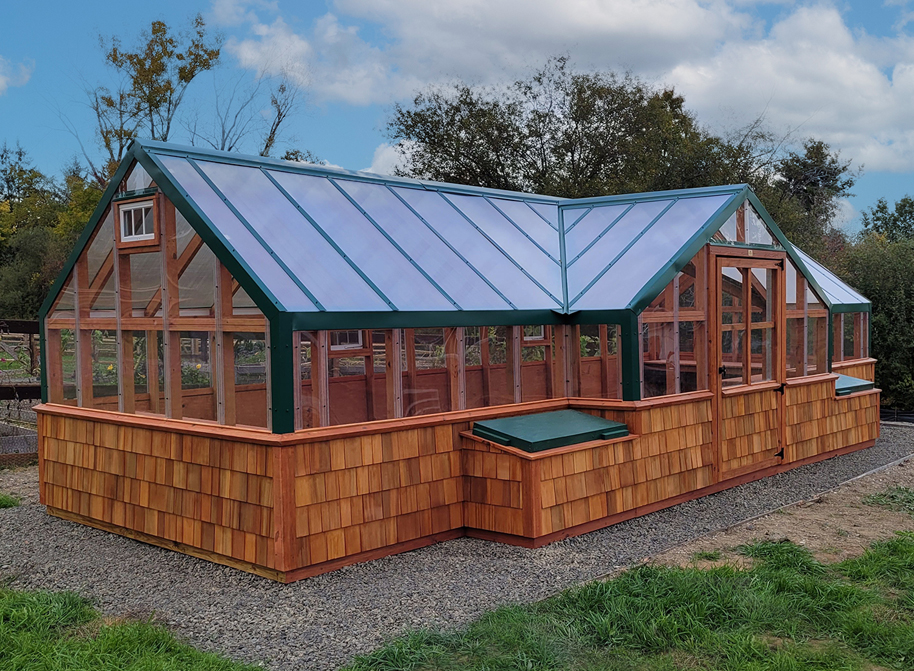
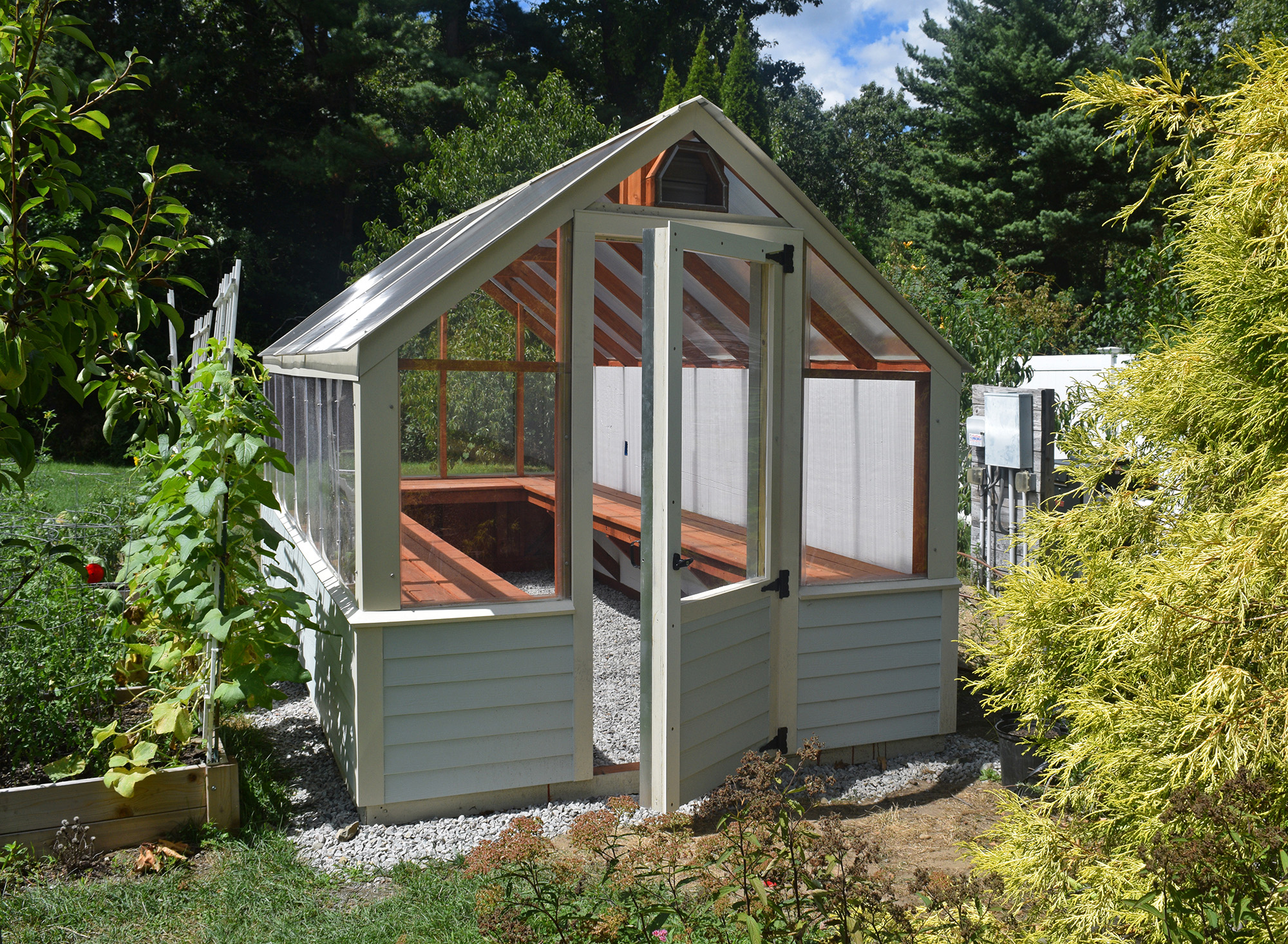
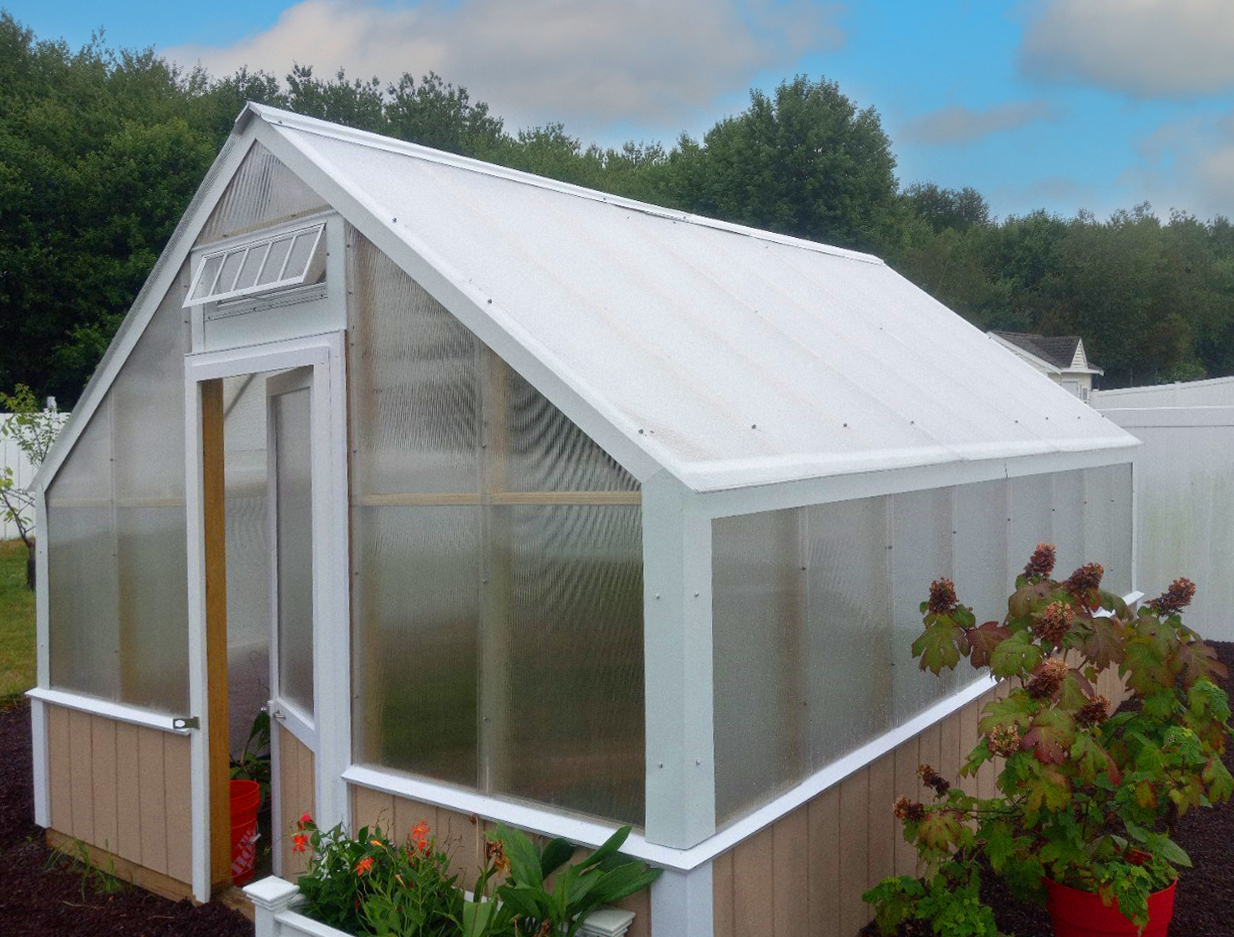
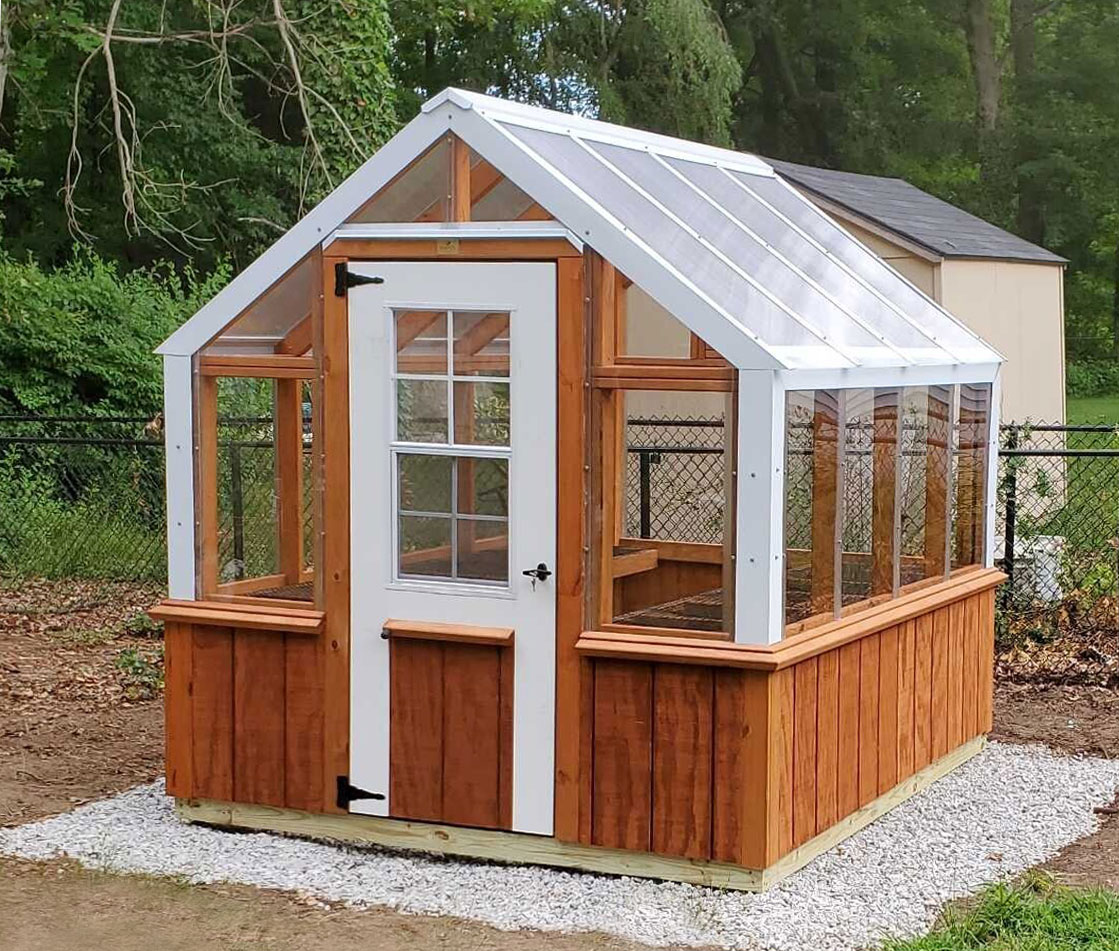
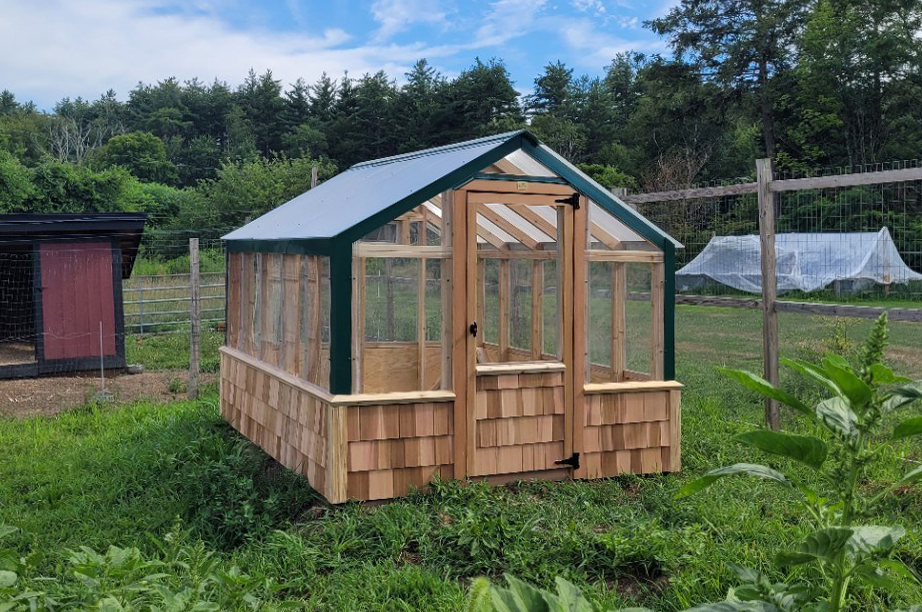
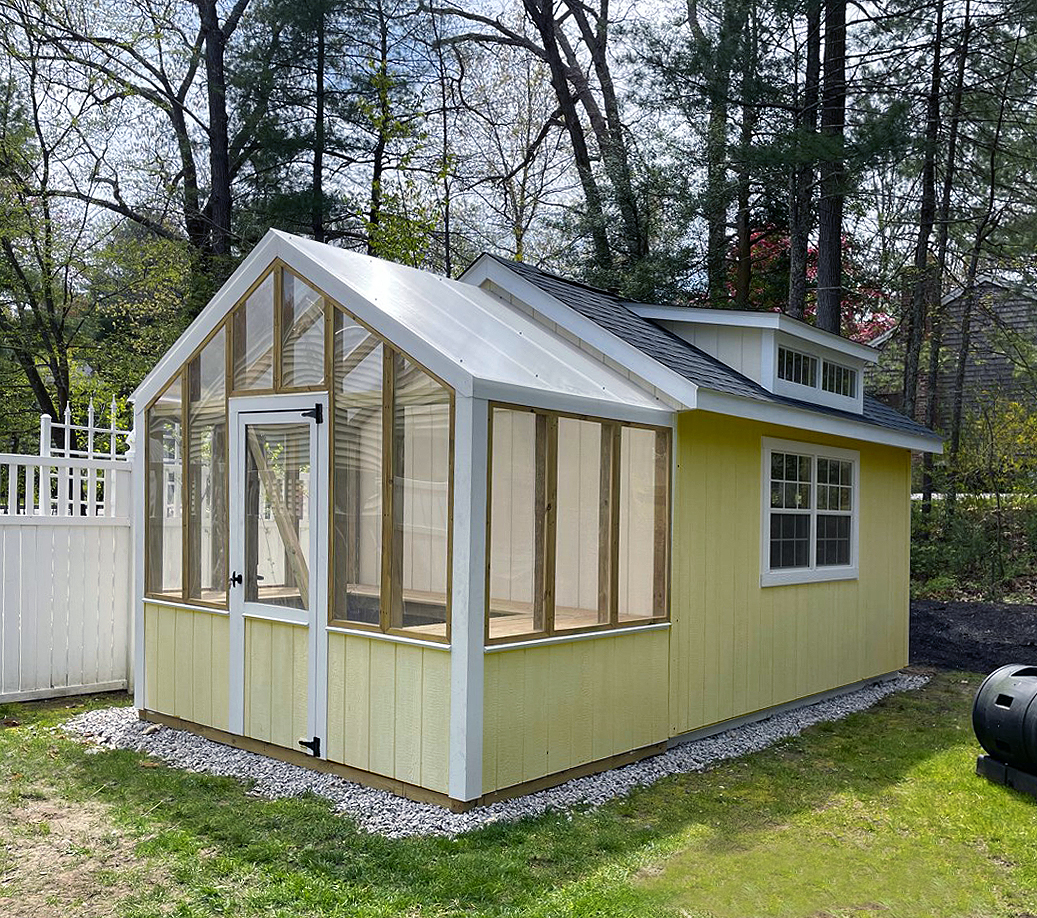
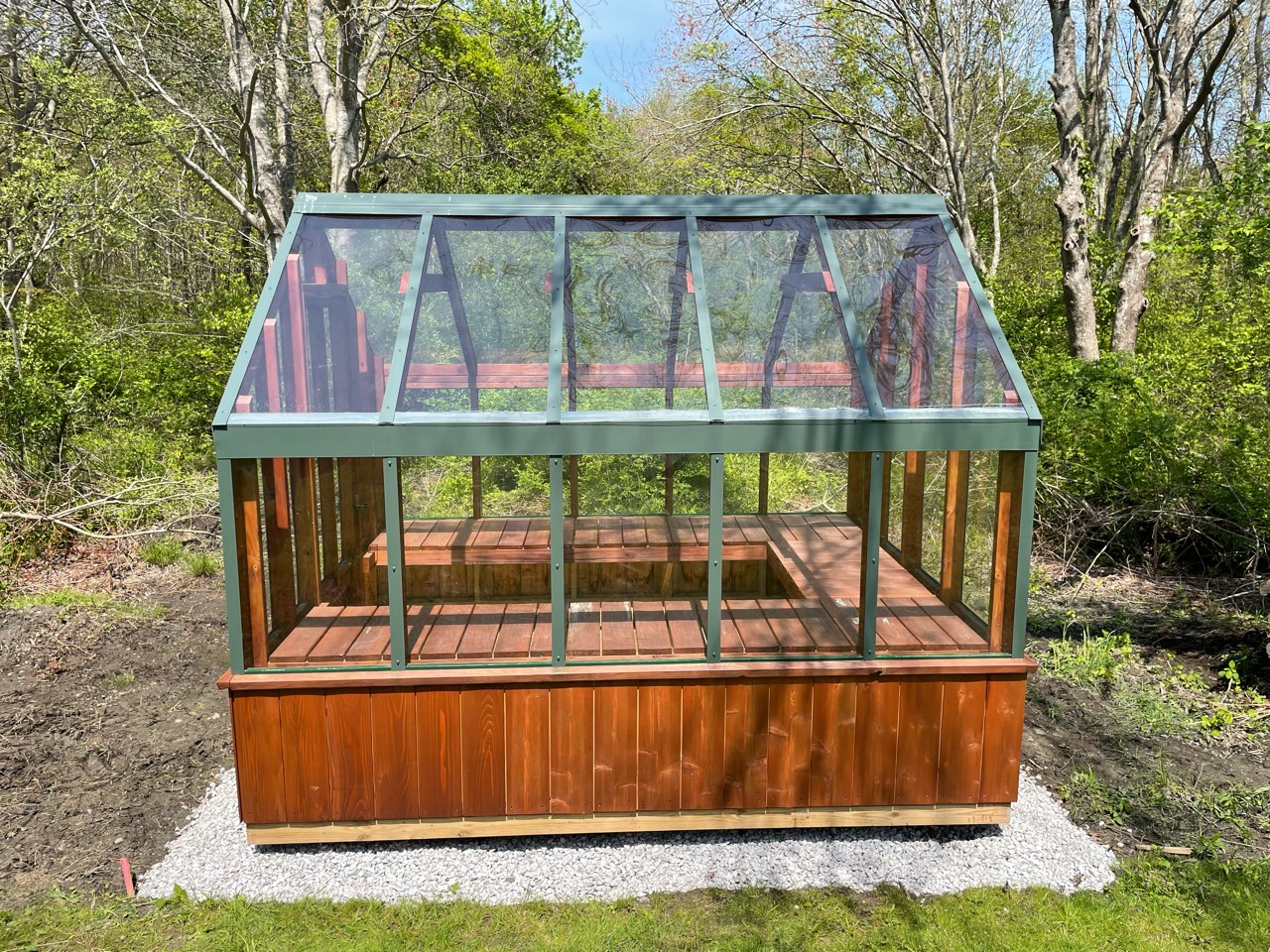
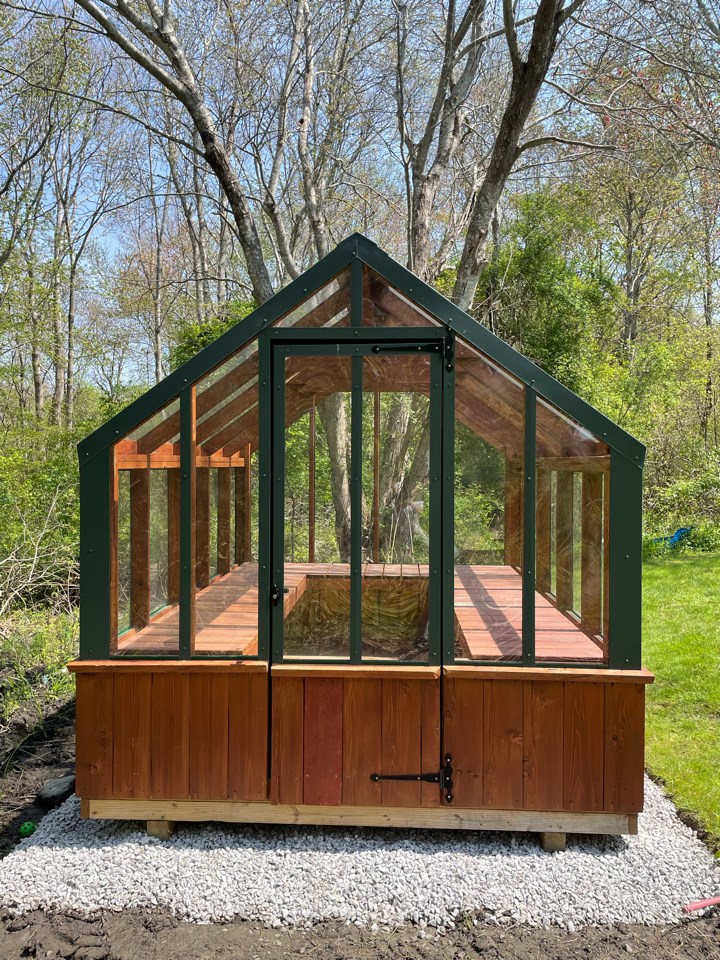
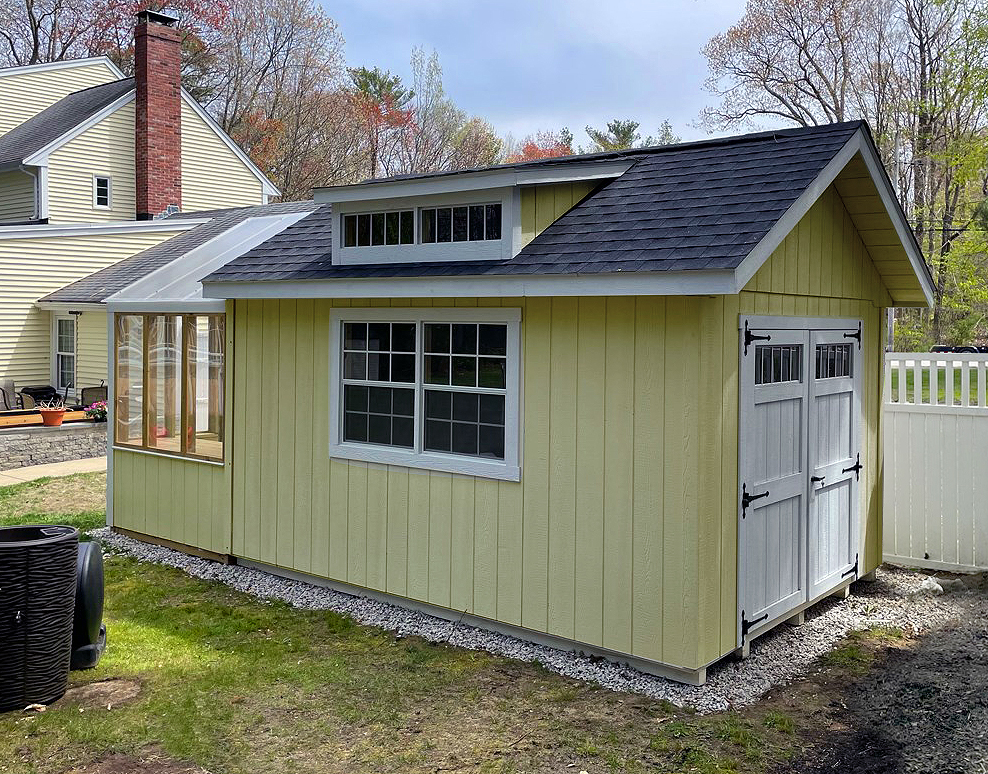
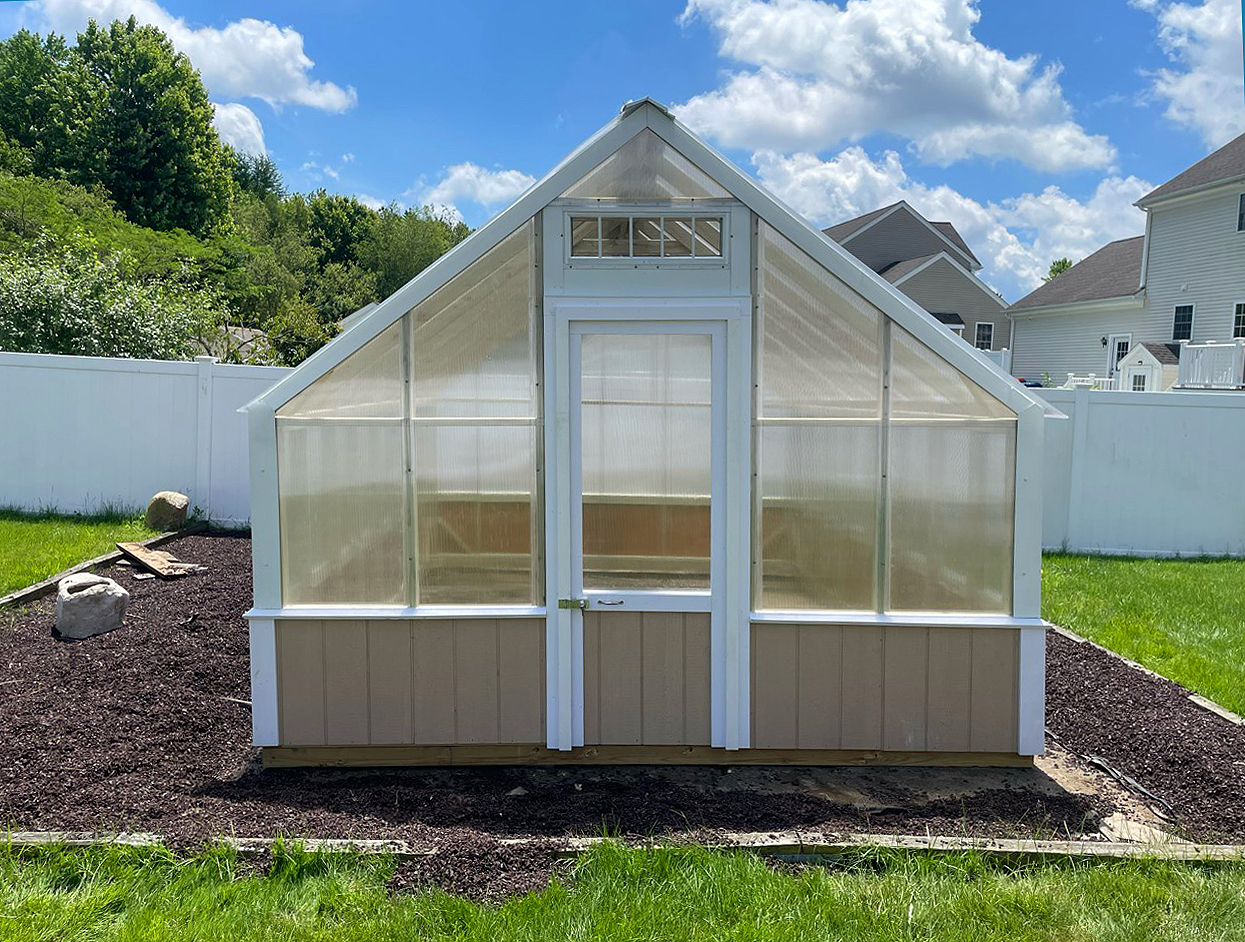
Greenhouse Design Gallery
Frequently Asked Questions
Is a pergola a good fit for Massachusetts weather?
Yes, when it is planned around local conditions. Material choice, exposure, drainage, support, and upkeep all affect how well a pergola works over time.
Where should I place a pergola in my yard?
Place it where it fits your normal routine. Sun exposure, seating, door access, walkways, views, privacy, and nearby gathering areas should guide the location.
How much shade does a pergola actually provide?
A pergola usually provides partial shade rather than full roof coverage. Slat spacing, orientation, sun angle, placement, and optional comfort features all influence coverage.
Should a pergola go over a patio, deck, or separate seating area?
Any of those can work. Start with the existing surface, furniture layout, traffic flow, access from the home, and how you’ll use the area.
What size pergola do I need for outdoor dining?
Plan around the table, pulled-out chairs, walking clearance, serving room, and extras such as lighting, planters, or future furniture changes.
Which pergola materials are easiest to maintain?
Lower-maintenance materials may need less routine care than natural wood. Balance the look you want with weather exposure, budget, upkeep, and property style.
Do I need a permit for a pergola in Massachusetts?
Permit requirements vary by town, size, attachment method, and property conditions. Check local requirements before installation so the scope and expectations are clear.
Can a pergola be customized to match my home?
Yes. A pergola can often be planned around your home’s architecture, trim colors, landscape layout, seating needs, and preferred level of sun coverage.
What should I prepare before my pergola project starts?
Review placement, furniture needs, drainage, utilities, access, permits, material preferences, and any related patio, deck, gathering, or landscape work.
Can I add lighting, fans, or screens to a pergola?
Often, yes. These features are easier to plan before installation, especially if power access, privacy, evening use, or seasonal comfort matter.
Conclusion
A well-planned pergola should fit your home, yard, and daily routine. Seating, placement, materials, site conditions, comfort features, and long-term use all deserve attention before the structure is built.
Outdoor Personia helps homeowners and property owners sort through those decisions with practical design guidance. To start planning a pergola that suits your yard, call (508) 883-4043, visit outdoorpersonia.com, or visit one of our Massachusetts design centers in Bellingham or Hanover.