
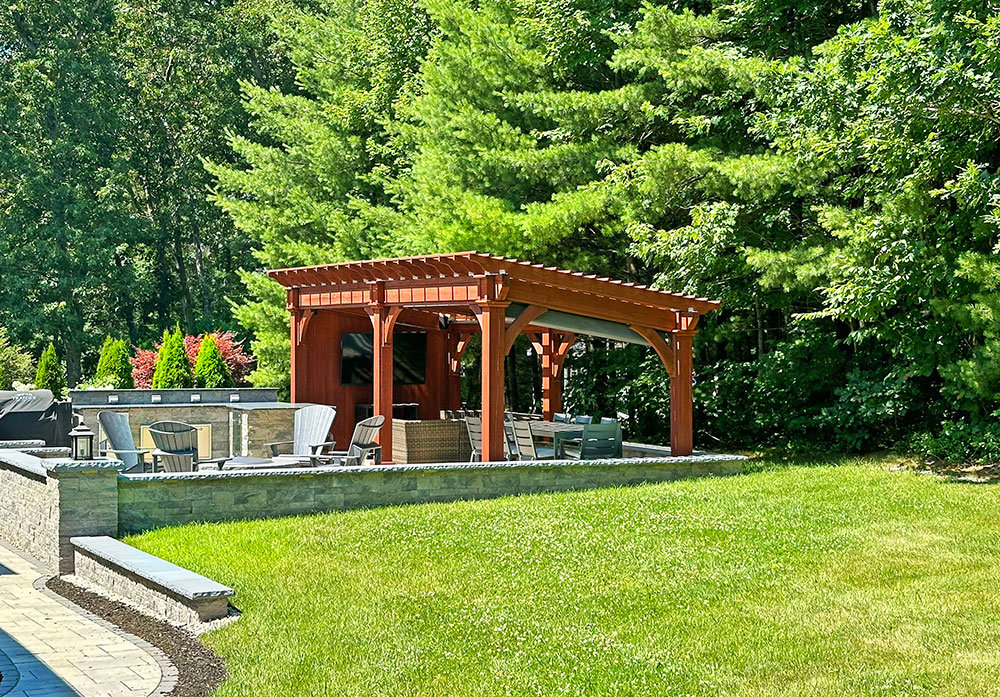
Choosing between pergola builders in Connecticut takes more than finding a photo you like or comparing the lowest quote. A pergola becomes part of how your patio, pool area, garden, or sitting space works day to day, so the planning needs to go beyond style alone.
The right team should ask how you plan to use the area before recommending a size, material, placement, or construction path. Outdoor Personia plans pergolas with the full property in mind, starting with the practical question that should guide every decision: how do you want to use the space?
Start with the way the pergola will be used
Before you compare styles, get clear on what the pergola needs to do. A dining area near the kitchen, a shaded poolside seat, and a quiet garden spot all call for different planning choices.
Define the main purpose
Start with the reason you want the pergola. You may want filtered shade, a place for outdoor dining, a stronger garden entry, poolside comfort, or a patio that feels more complete.
That purpose should guide the size, placement, materials, and comfort features before the conversation moves into style.
Think through furniture and movement
Picture the finished area with furniture in place. Chairs need room to pull out, guests need room to move, and the path between the house, patio, pool, lawn, or garden should still feel natural.
Match the pergola type to the property
Once the use is clear, the next decision is where the pergola belongs. Some layouts work best close to the home, while others make more sense as a separate destination in the yard.
Attached pergolas
Attached pergolas work well when you want shade or definition right outside the house, especially near patios, deck-adjacent seating, and outdoor dining areas.
Freestanding pergolas
Freestanding pergolas give you more freedom with placement. They can shape a poolside seating area, frame a garden spot, add shade near a fire feature, or give an open lawn a clearer purpose.
Compare materials, shade, and comfort options
The material you choose affects the pergola’s appearance, upkeep, and relationship to nearby features like siding, trim, fencing, or pool areas. Shade should be considered at the same time, since most pergolas filter sunlight rather than block weather completely.
Material choice and maintenance
Wood has a warmer, more traditional feel. Vinyl, composite, aluminum, and fiberglass may be better fits if you want cleaner lines or less routine upkeep.
Shade control and accessories
Open rafters can define a sitting or dining area while still letting light through. For more comfort, ask about rafter spacing, retractable shades, privacy panels, curtains, or a louvered pergola.
Account for local weather and site conditions
Where the pergola sits matters as much as how it looks. Sun exposure, wind, drainage, slope, trees, patios, pools, and access can all shape where it should go and what the build may require.
Sun, wind, and exposure
Think about when the area gets the strongest sun and how it feels during regular use. Open lots, coastal properties, and yards with limited screening may need more attention to placement, shade direction, and comfort features.
Drainage, slope, and footing conditions
A level-looking patio doesn’t always mean the site is ready. Water movement, soil conditions, buried utilities, slope, and existing hardscaping can affect post placement and foundation planning.
Clarify construction, permits, and project scope
Choosing a builder means understanding what the work includes before you compare estimates. A clear scope can outline the layout, materials, installation approach, cleanup expectations, and any approval requirements that may affect the project.
Permits, codes, and HOA rules
Pergola permit requirements in CT can vary by town, property, structure size, attachment method, footing type, and HOA rules. Ask early, but be cautious of anyone who treats approval as guaranteed.
What construction support should include
The right construction process covers layout confirmation, material coordination, jobsite care, installation planning, and a final walkthrough. It also clarifies how the team handles access, landscaping, nearby deck areas, pool areas, and cleanup before work begins.
Know what to ask before comparing estimates
Two quotes can look different because they may be pricing different levels of planning, materials, installation, cleanup, and follow-through. Before comparing numbers, make sure you understand what each builder is actually including.
Compare the scope, not just the price
Look at what is included in the proposal, such as:
- Design time and material selections
- Delivery, installation, and site coordination
- Jobsite cleanup and final review
- Shade features, accessories, or electrical considerations
The better estimate is the one that reflects the full scope of work your property needs, not just the lowest number on paper.
Ask about warranties and maintenance
A pergola sits outside through sun, rain, snow, humidity, and changing seasons, so warranty and maintenance details matter. Outdoor Personia may offer warranties up to 30 years on select structures and components, but coverage can vary.
Consider how the pergola fits with other outdoor structures
A pergola may be right if you want partial shade, visual definition, and an open-air feel. If you want more overhead shelter, a pavilion may be worth discussing. For a smaller garden entry or pathway feature, an arbor may make more sense.
Pergola, pavilion, gazebo, or arbor
A pergola usually has an open or partially shaded top. A pavilion has a solid roof. Gazebos often work as freestanding destination areas, while arbors typically frame entries, walkways, or garden transitions.
Poolside, garden, and entertaining zones
Near a pool, garden, patio, or seating area, the pergola should complement how people gather and move. That can affect orientation, size, post placement, shade direction, and how the structure connects to nearby features.
Work with Outdoor Personia on the next step
When you’re ready to talk through a pergola, the best starting point is the area where it will go. Outdoor Personia works with Connecticut homeowners to think through placement, materials, shade, site conditions, and how the structure should connect to the rest of the yard.
For the first conversation, it helps to have:
- Photos of the area
- Rough measurements
- Your intended use for the space
- Any known HOA or town requirements
You don’t need everything figured out before reaching out about our services. Those details simply give us a useful starting point for talking through what will fit your property.
Our Simple Process Makes it So Easy to Work With Us!

Share your vision
We want to understand your dream and then personalize a solution to match your vision.

Let's Collaborate
Once you are happy and approve our proposal, we are ready to get to work!

We'll build it
We will choose the best way to create your structure. Relax and enjoy your dream come true.
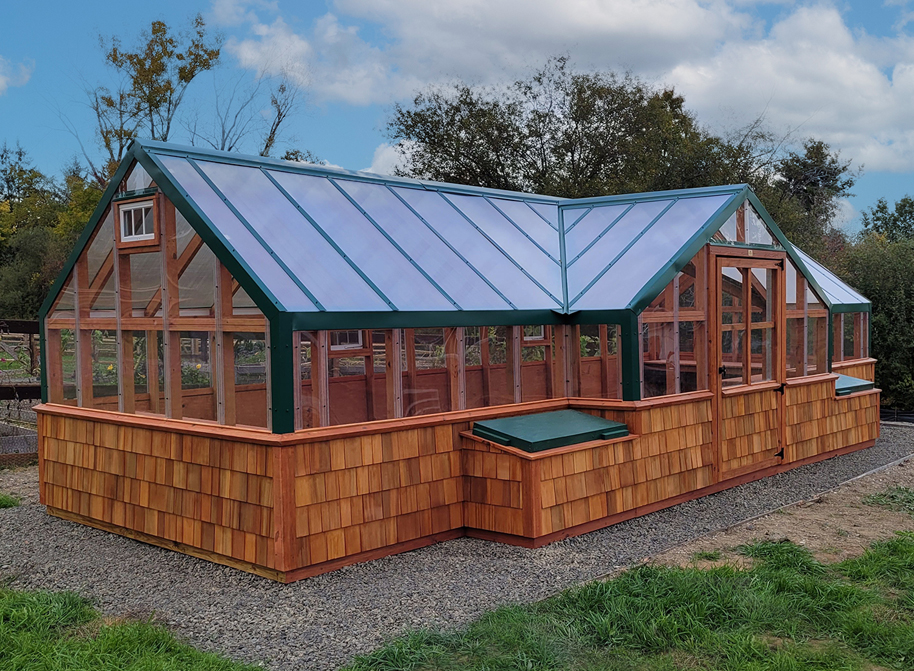
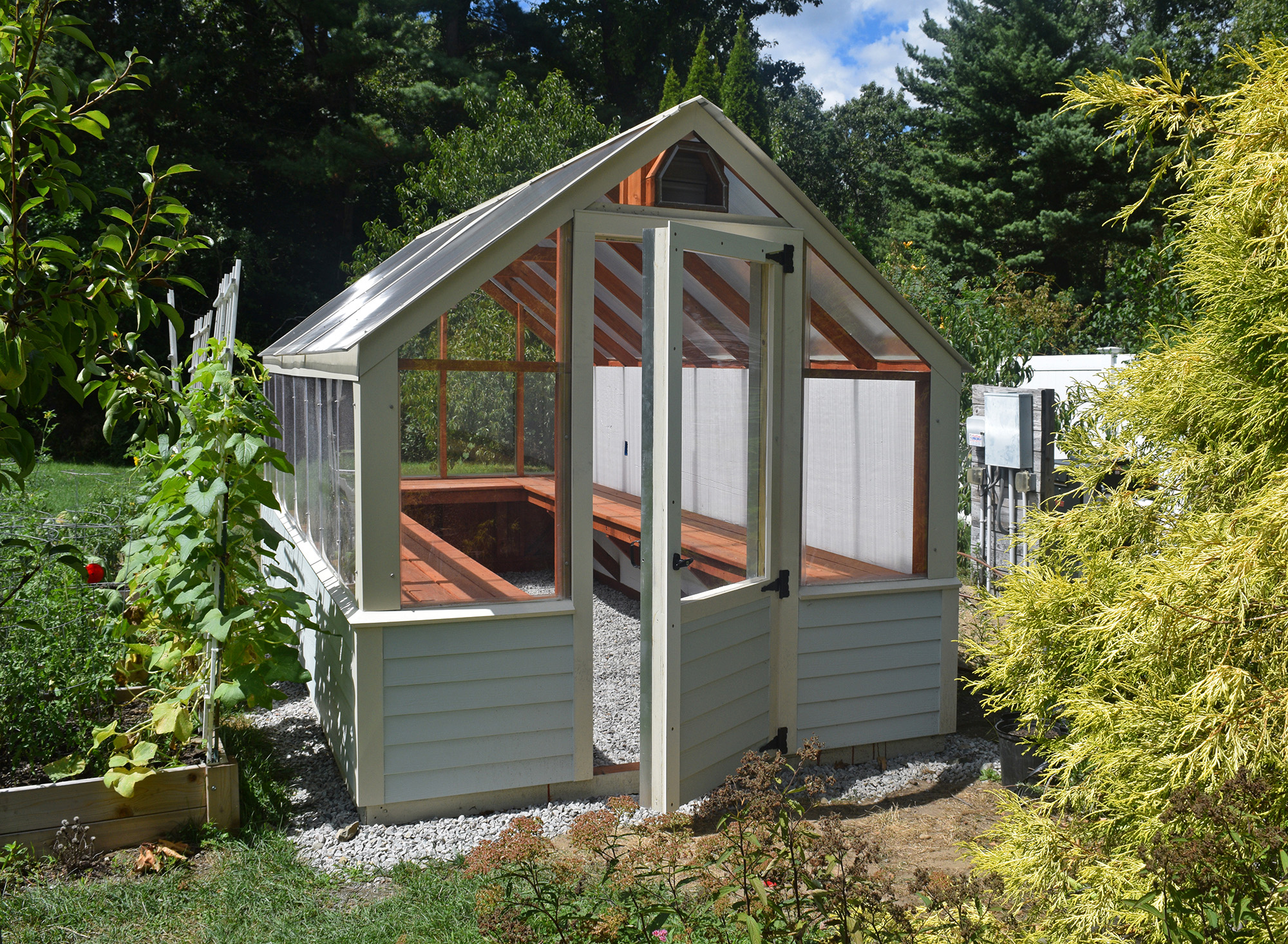
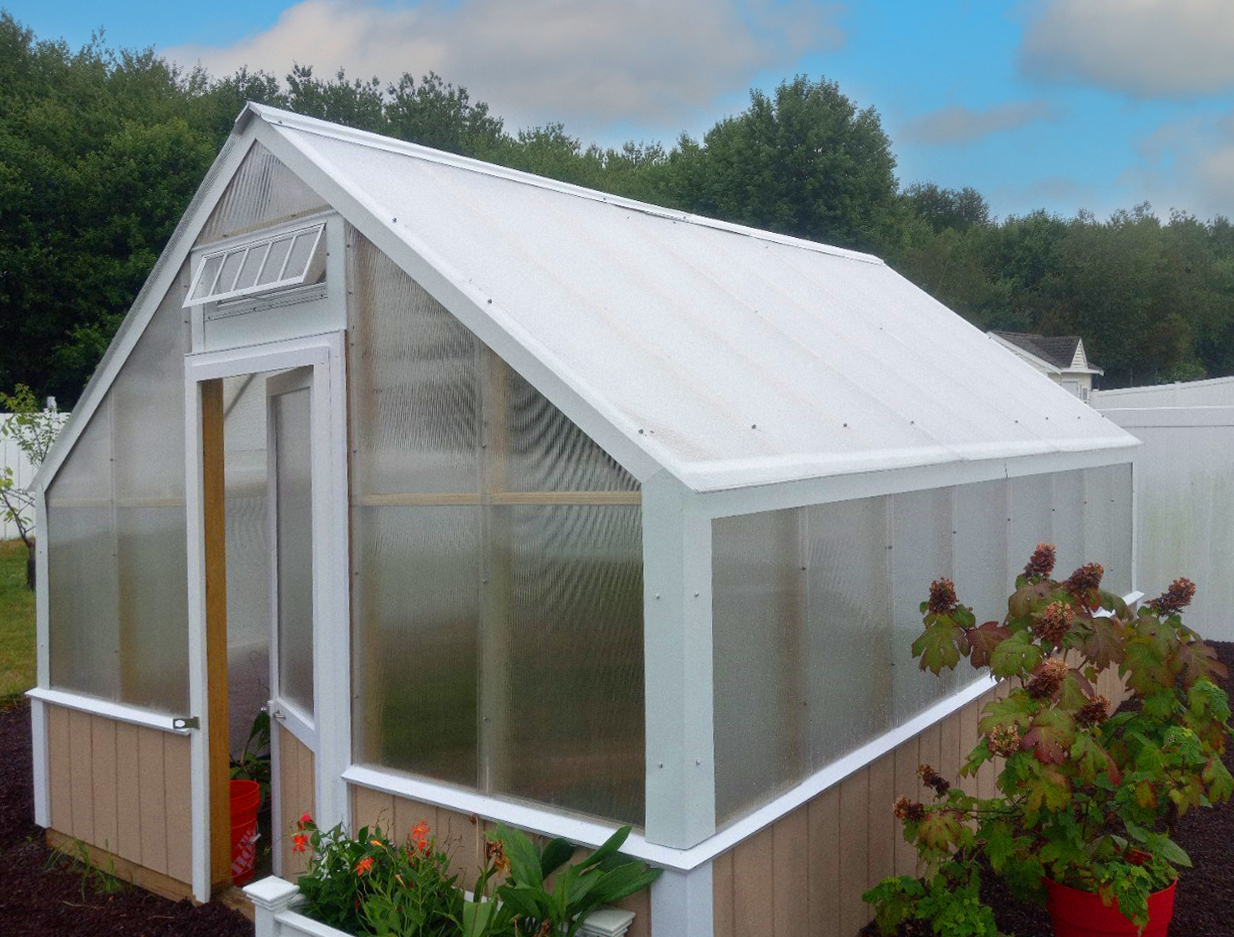
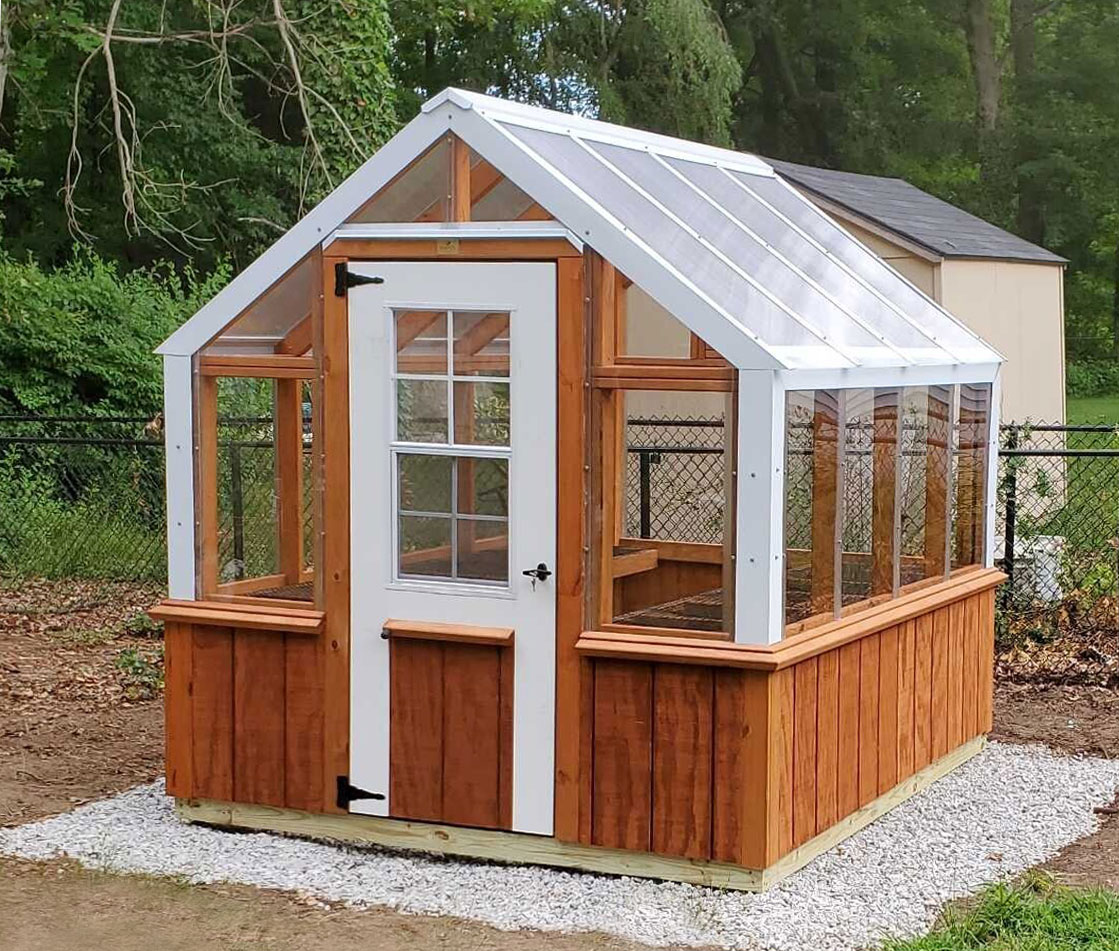
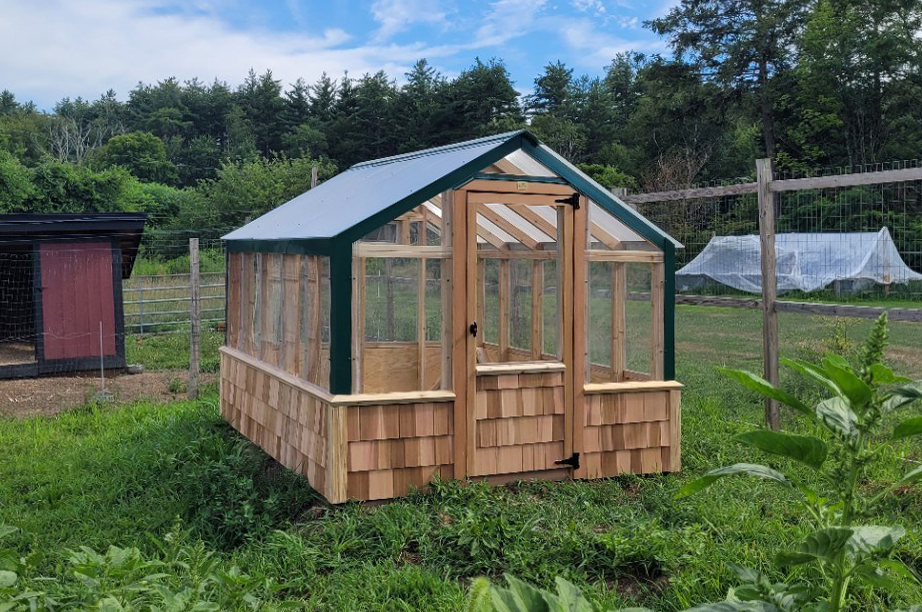
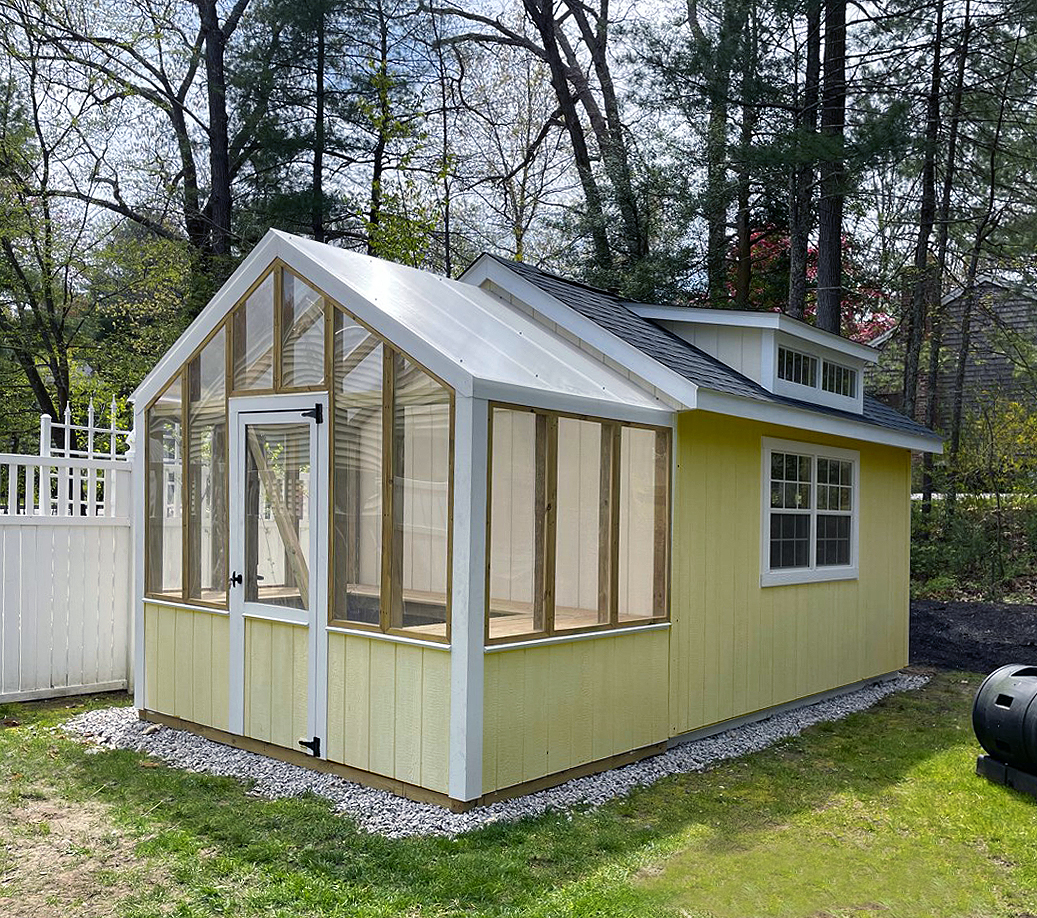
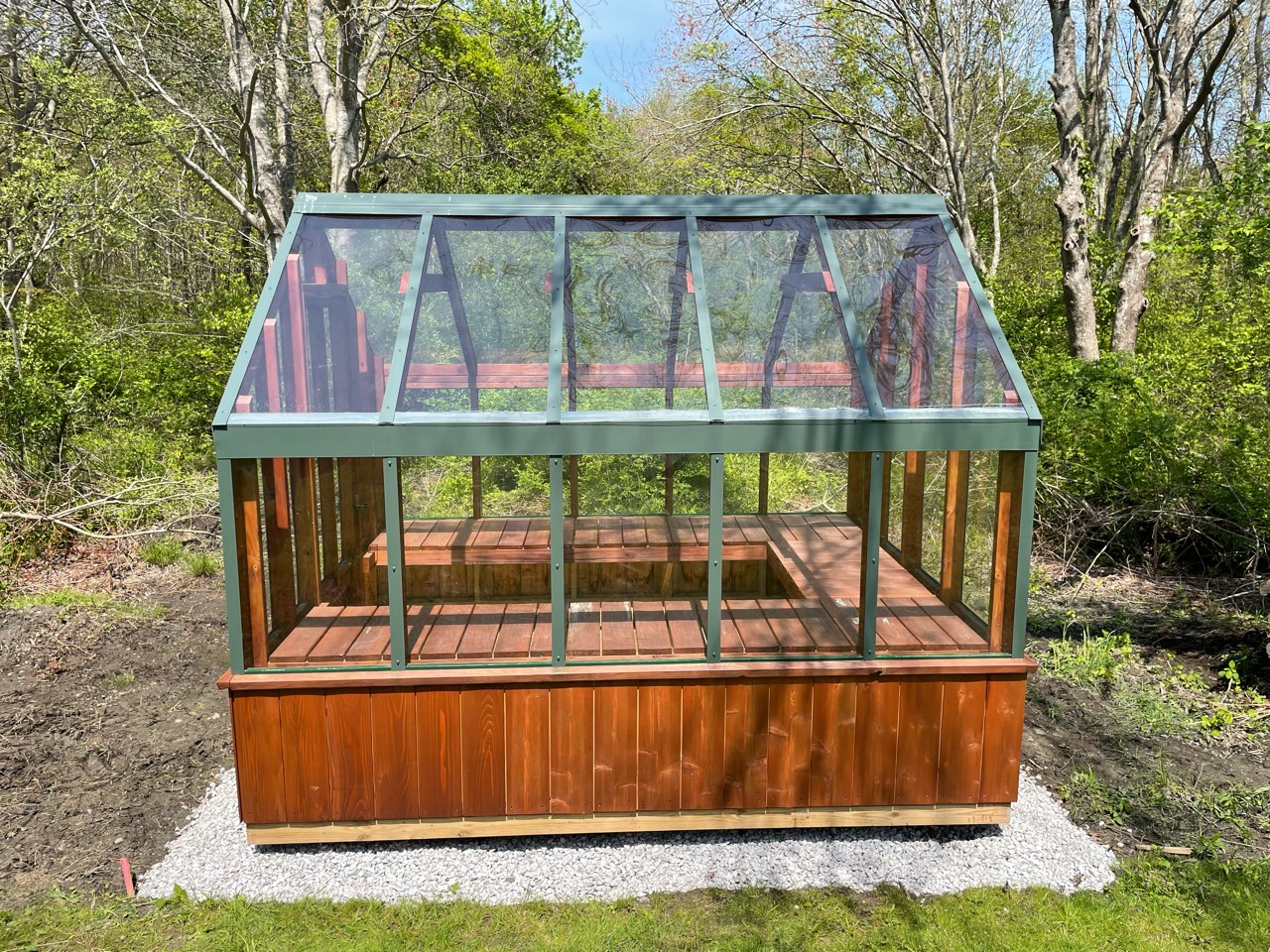
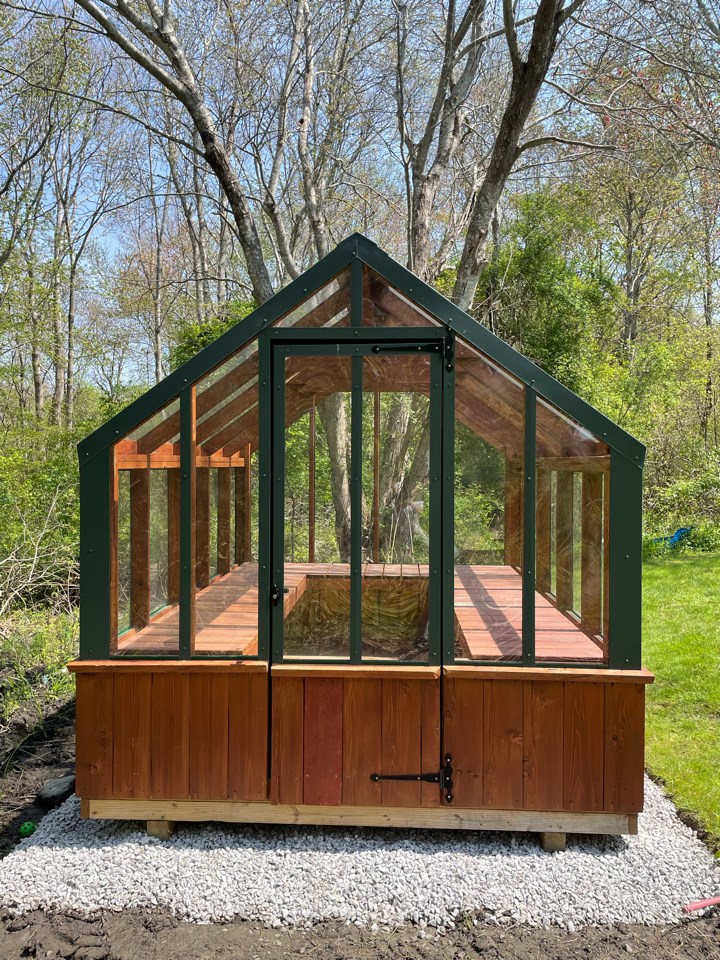
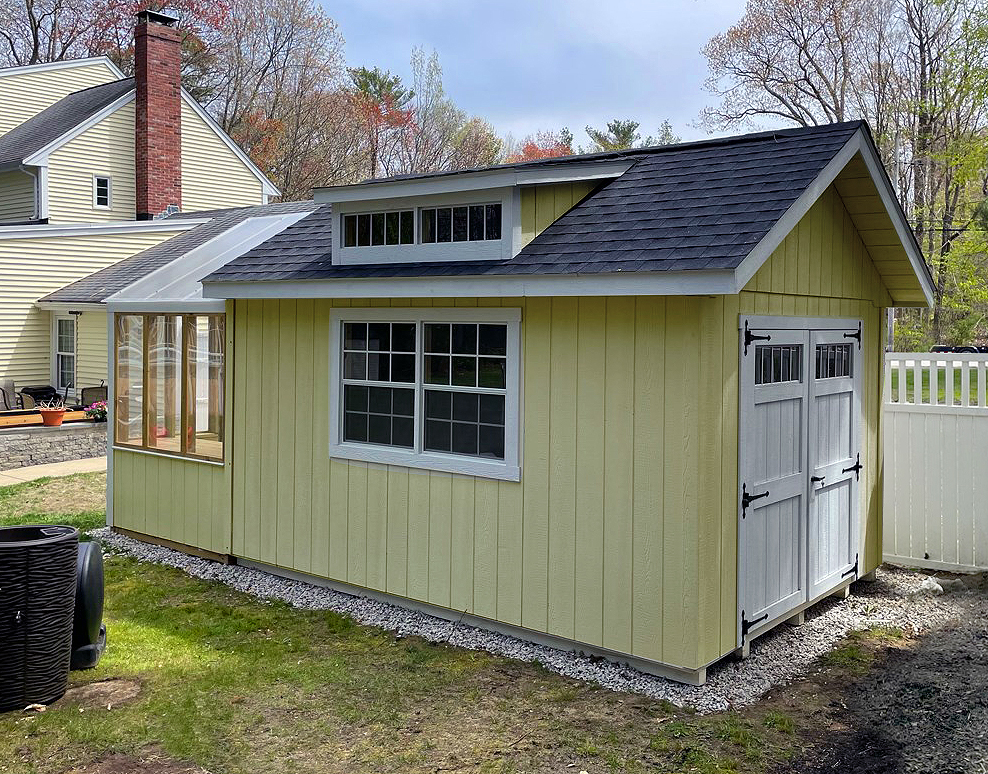
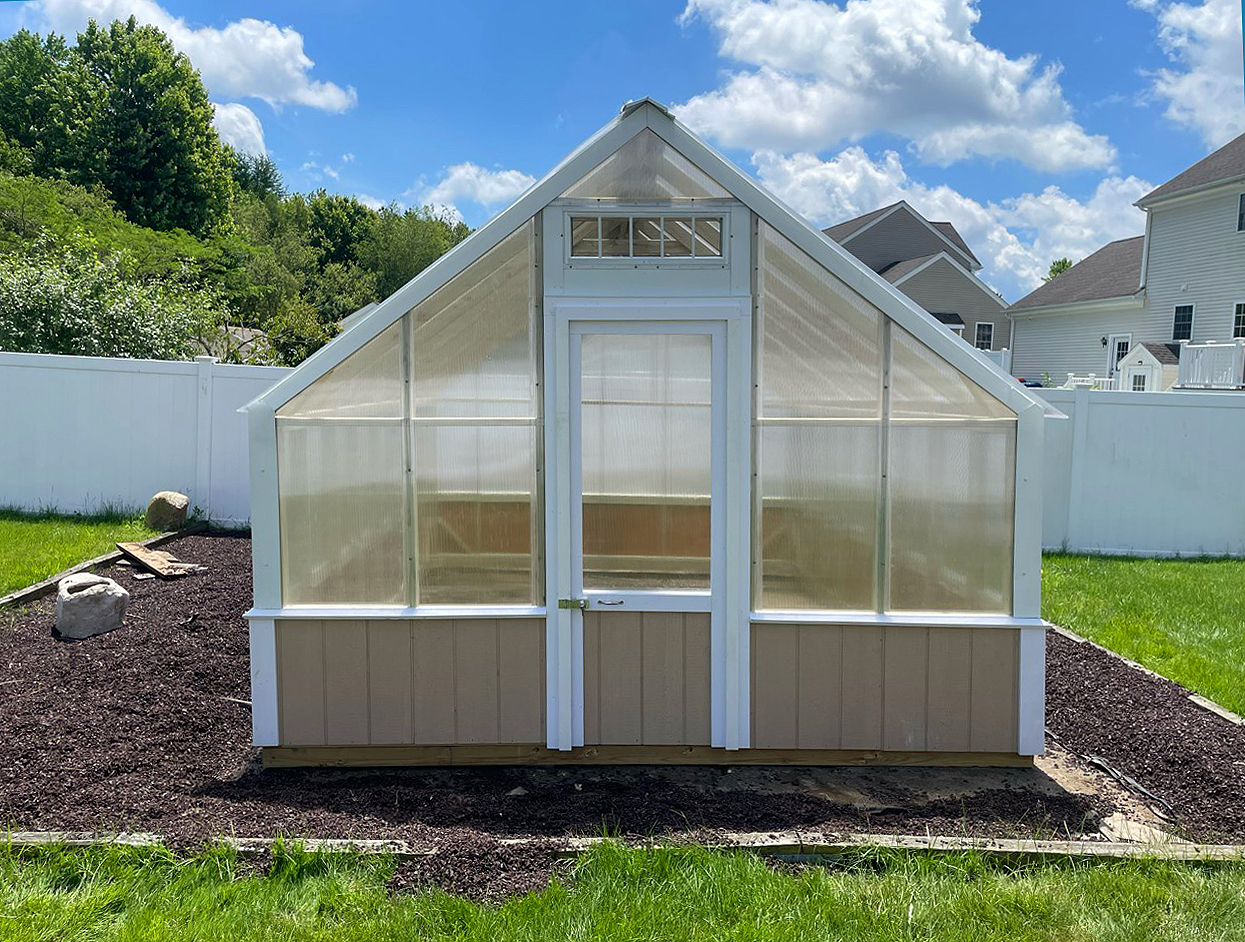
Greenhouse Design Gallery
Frequently Asked Questions
What should I ask a pergola builder before hiring?
Ask how they handle planning, materials, site review, permitting, construction, cleanup, warranty coverage, and estimates. The goal is to understand the full scope before comparing prices.
Is an attached or freestanding pergola better?
An attached pergola works well near the home, patio, or deck. A freestanding pergola gives more flexibility for pool areas, gardens, and separate seating spaces.
Do pergolas require permits in Connecticut?
Permit requirements vary by town, property conditions, size, attachment method, and footing type. It’s best to review approval questions early, before construction decisions are finalized.
What materials are commonly used for pergolas?
Common pergola materials include wood, vinyl, composite, aluminum, and other sturdy options. The right fit depends on appearance, upkeep, exposure, budget, and daily use.
Can a pergola be built over an existing deck or patio?
A pergola may be built over an existing deck or patio, but the surface needs to be reviewed first. Anchoring, drainage, access, and structural capacity all matter.
How much shade does a pergola provide?
A pergola usually provides filtered shade, not full roof coverage. Shade depends on orientation, rafter spacing, sun exposure, and options such as louvers, curtains, or retractable shades.
Can a pergola include lighting or a fan?
Yes, lighting or a fan may be possible. These features should be discussed early because they can affect placement, electrical planning, framing, and final scope.
What is the difference between a pergola and a pavilion?
A pergola usually has an open or partially shaded top. A pavilion has a solid roof, so it offers more overhead shelter.
How long does pergola construction usually take?
Timing can vary based on planning, materials, site conditions, permitting, weather, and scheduling. A good team should explain the process without promising a universal timeline.
Does Outdoor Personia build other backyard structures?
Yes. We also plan and build pool houses, pavilions, arbors, greenhouses, sheds, garages, yard accents, and select commercial projects.
Conclusion
Choosing the right pergola company starts with how the structure will work on your property. The size, placement, shade, materials, and construction details should all fit the way you use your yard, patio, pool area, or garden.
If you’re planning a custom pergola for your property, contact our team at (508) 883-4043 or stop by our design center in Waterford, Connecticut to talk through your options.