
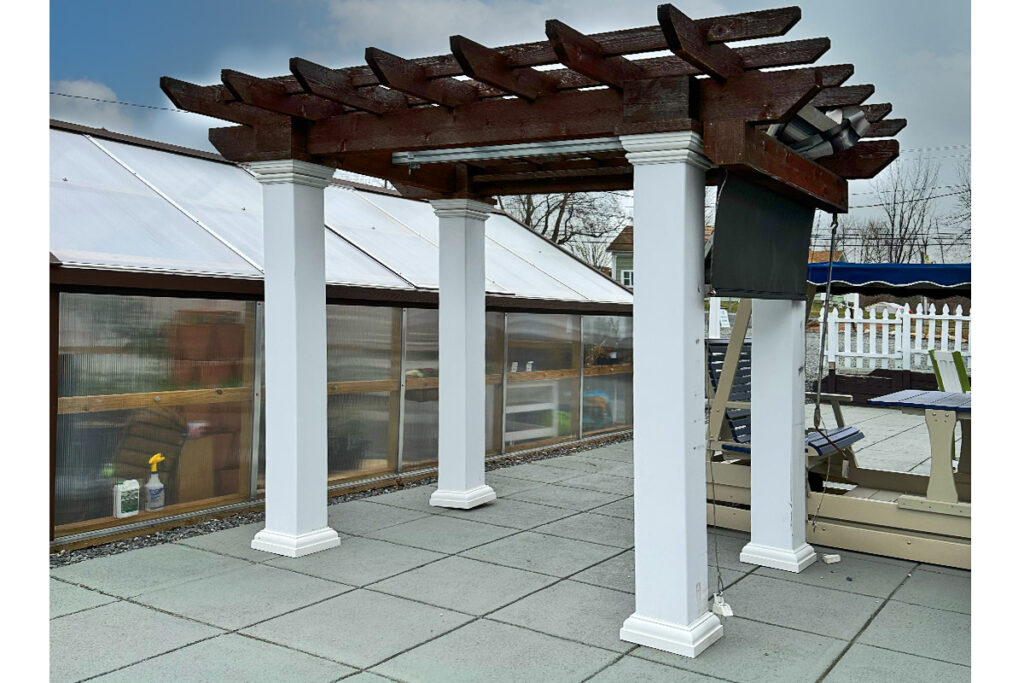
Pergola installation in Duxbury, MA involves more than choosing a style you like. At Outdoor Personia, projects usually start with a closer look at how the structure will be used, where it belongs on the property, and how much coverage it actually needs.
For homeowners, that planning stage matters. A pergola should feel like a natural part of your property, not something dropped into place after the fact.
Start with how the space will be used
A well-planned pergola should fit the way you live outside and how your property is laid out. The more clearly you define how the space needs to function, the easier it is to plan a structure that feels natural on the property.
Define the pergola’s main job
The best starting point is to get clear on how the space will be used most. Some pergolas are meant to anchor an outdoor dining area, while others are there to make a poolside space more comfortable or help a patio feel more complete.
Once that use is clear, decisions about layout, size, and coverage tend to follow more naturally. A pergola for dining may work best closer to the house, while one near a pool may need more space for movement and seating.
Think about comfort, sun, and privacy early
It also helps to look at how the yard feels throughout the day. Morning light, afternoon sun, breezes, and nearby sightlines all affect whether an area feels comfortable or too exposed.
Sometimes, a spot that seems right at first may turn out to be too hot, too open, or less useful than expected.
Choose the pergola type that fits the property
Once the purpose is clear, the next step is to choose the structure that best fits the space.
Attached vs. freestanding pergolas
The right layout depends on where the structure belongs and how it should relate to the rest of the property.
- Attached pergolas usually make the most sense when the goal is to create a stronger connection to the house. They often work well over patios, near rear entries, or around outdoor dining areas that should feel tied to the home.
- Freestanding pergolas work better when the structure is meant to define its own area elsewhere in the yard. That can make sense near a pool, beside a lounge area, or in a part of the property that needs more structure and purpose.
The better fit comes down to how connected the pergola should feel to the house and how the space is meant to function.
Open-slat vs. covered or louvered options
This choice comes down to how much control you want over sun and weather.
A more traditional open-slat pergola allows filtered light through and tends to keep the space feeling lighter and more open. If you want more control, options like shade canopies, retractable shades, or louvered systems may make more sense depending on how the space will be used.
Match materials and features to long-term use
Once the overall direction is clear, it helps to think about what will make sense over time, not just what looks good now.
Compare wood with vinyl, cellular PVC, fiberglass, and other lower-maintenance options
Material choice affects both appearance and upkeep.
A wood pergola can bring warmth and natural character, especially when that look fits the house and surrounding space. Vinyl, cellular PVC, fiberglass, and other lower-maintenance options may make more sense when the goal is to reduce routine upkeep while still creating a finished, well-integrated structure.
Choose upgrades that improve real usability
Extra features are most useful when they make the space easier to enjoy regularly. Lighting can help the area stay functional later in the day, while privacy panels, retractable shades, or adjustable louvers may improve comfort depending on how open or exposed the space feels.
Useful upgrades may include:
- Lighting for evening use
- Privacy panels or screening where more separation helps
- Shade canopies or retractable shades for more flexible coverage
- Louvers when greater control over sun and light rain matters
Plan for placement, drainage, and site readiness
A pergola will only feel right if the location and site conditions support it.
Work around patios, pools, decks, and backyard flow
A pergola should fit the property in a way that feels intentional. That includes how people move through the space, how furniture will be arranged, how much area the structure should cover, and whether it makes more sense over an existing patio, near a pool, beside a deck, or in a freestanding part of the yard.
When the placement is right, the whole backyard tends to feel more connected and easier to use.
Review drainage, footings, and site prep before installation
Site conditions matter more than they may seem at first. A location can look right on the surface but still raise questions about drainage, grading, or support.
That doesn’t mean every project needs extensive prep work, but it does mean the space should be evaluated carefully before the build moves forward.
Understand permitting, scope, and coordination
Before work begins, it’s important to make sure the project scope and responsibilities are clearly defined.
Clarify who is handling permits, timing, and prep work
It helps to sort out these details early. Homeowners should have a clear understanding of what’s included, what may need to be coordinated before the build starts, and who is responsible for each part of the project.
That kind of clarity usually makes the installation smoother and helps avoid unnecessary surprises along the way.
What sets Outdoor Personia apart for pergola projects
Outdoor Personia approaches pergola projects with the property in mind, not just the structure itself.
How our team helps shape a better result
That starts with thoughtful planning early in the project. Our team works with homeowners to think through placement, material direction, site conditions, and the details that affect how the finished pergola will look and function.
Instead of treating it like a simple add-on, Outdoor Personia helps shape a structure that feels well-matched to the property and more useful in everyday life.
Our Simple Process Makes it So Easy to Work With Us!

Share your vision
We want to understand your dream and then personalize a solution to match your vision.

Let's Collaborate
Once you are happy and approve our proposal, we are ready to get to work!

We'll build it
We will choose the best way to create your structure. Relax and enjoy your dream come true.
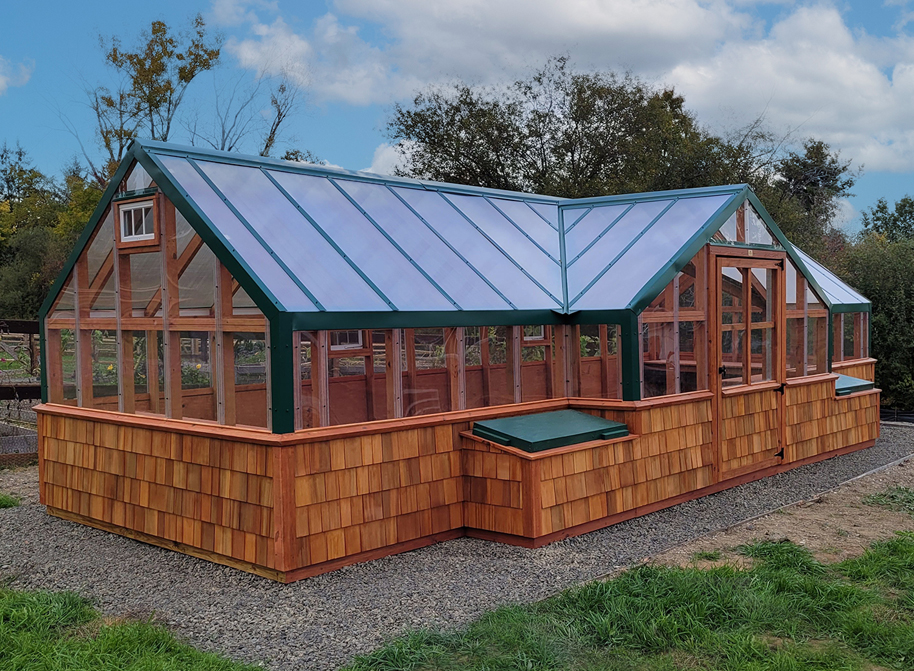
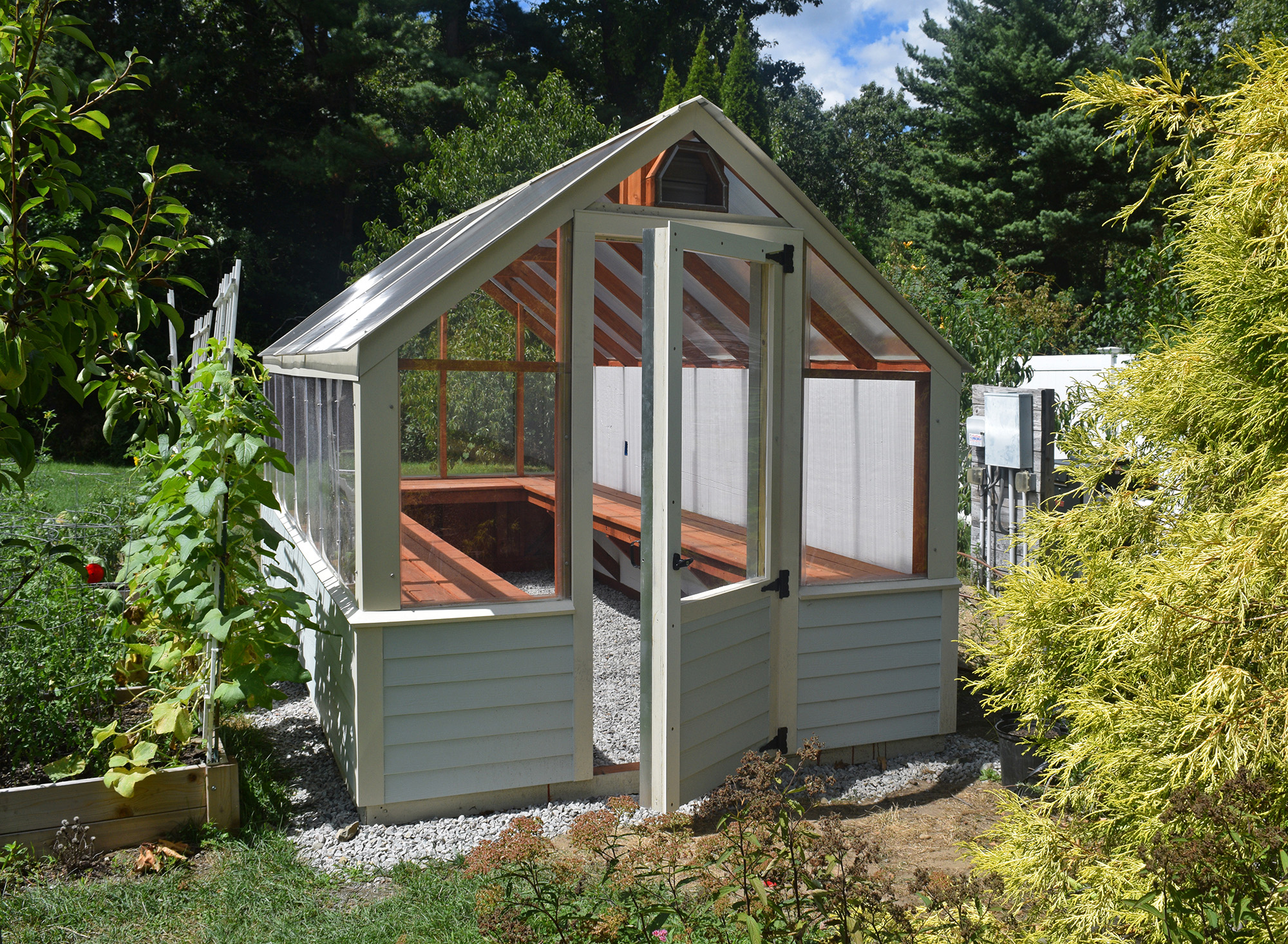
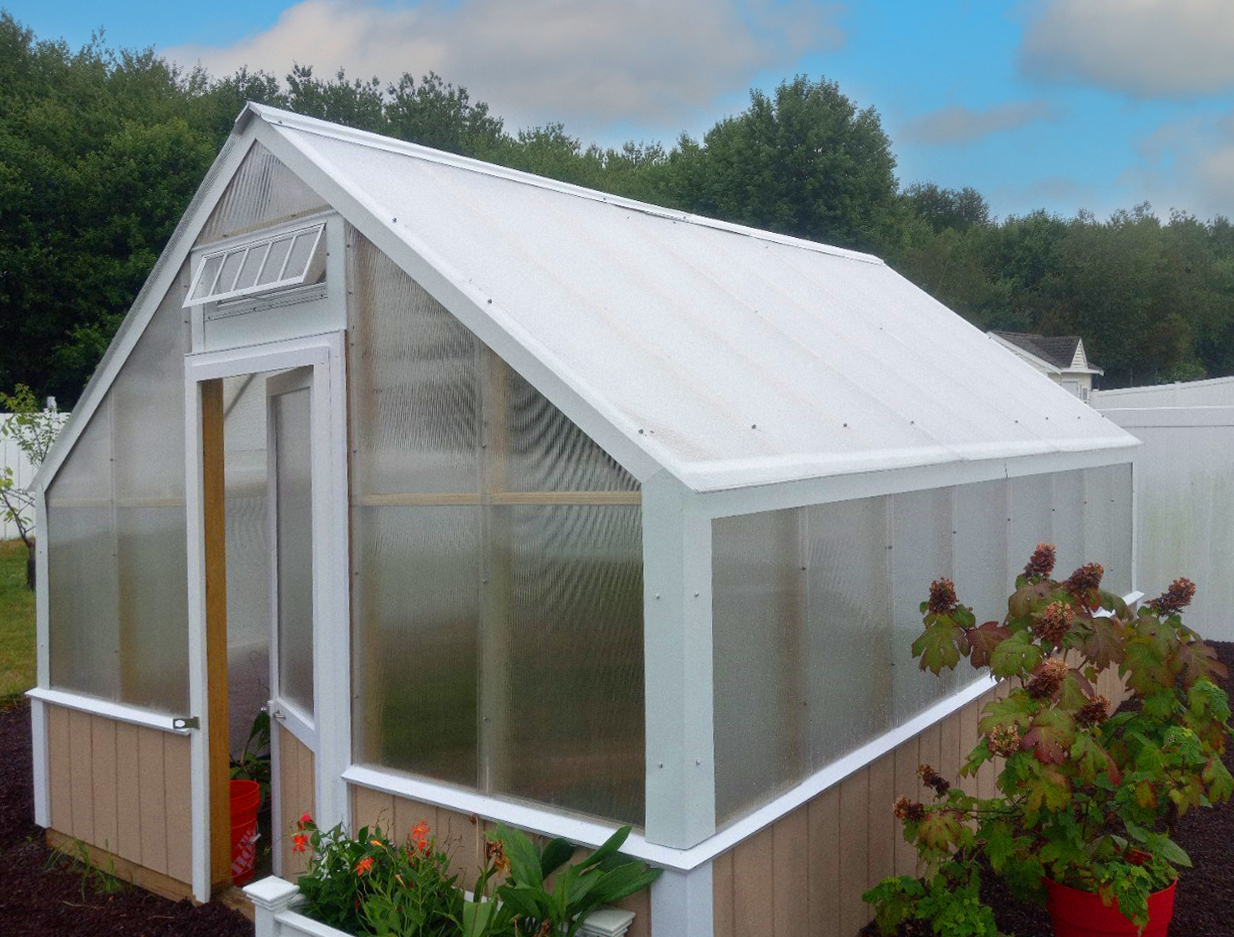
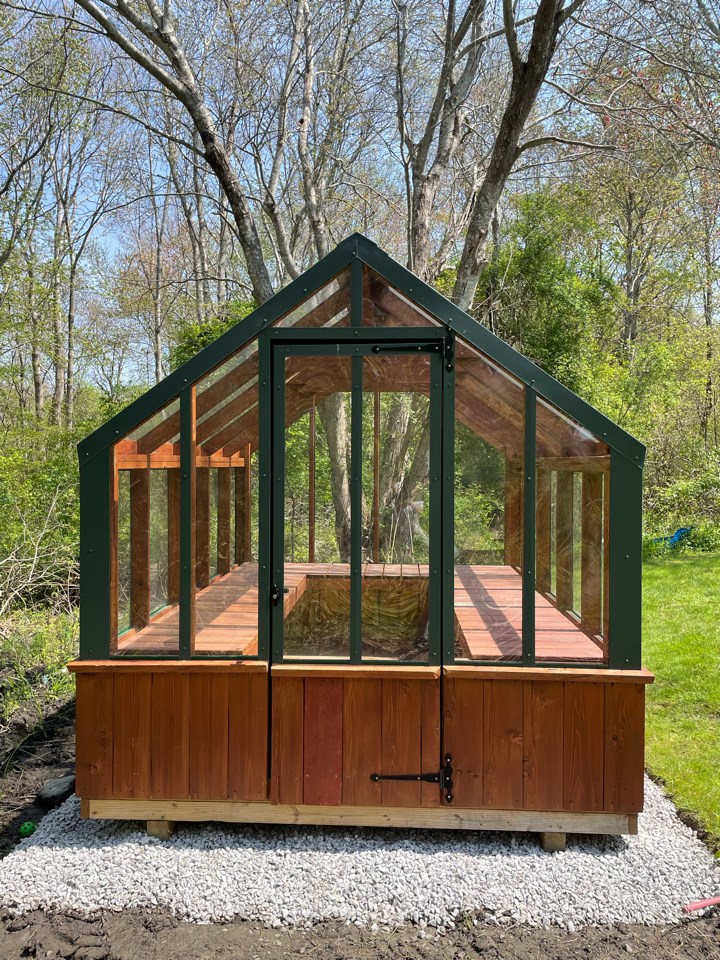
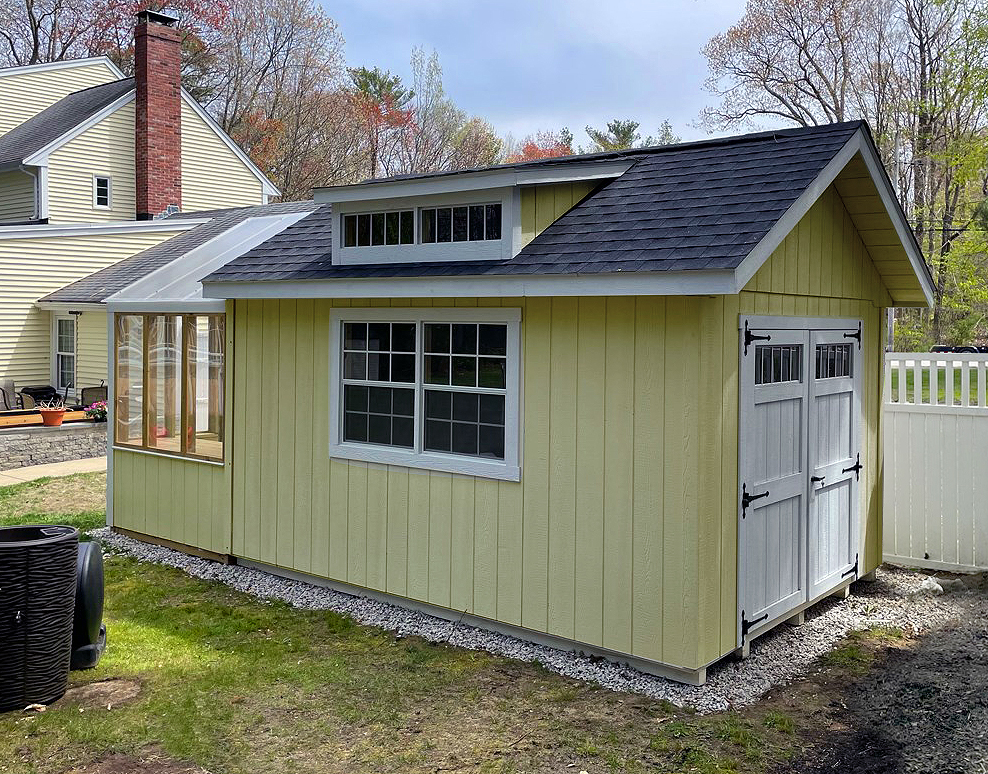
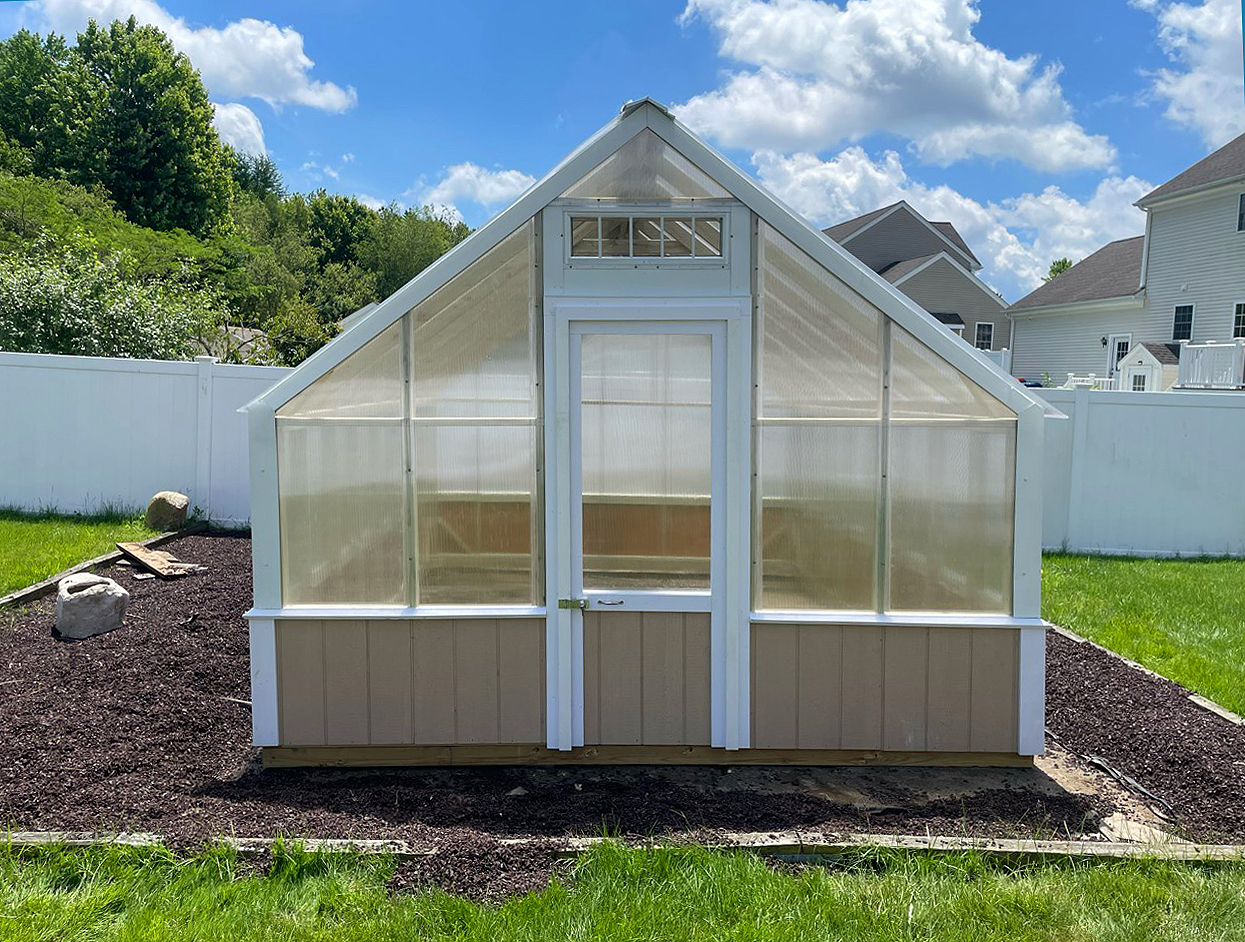
Greenhouse Design Gallery
Frequently Asked Questions
Where does a pergola usually make the most sense in a Duxbury backyard?
The best location is usually the area you already use or want to use more often, whether that is near a patio, pool, dining space, or main gathering area.
Is it better to choose an attached pergola or a freestanding one?
That depends on the layout of the property. Attached pergolas usually feel more connected to the house, while freestanding ones help define a separate area elsewhere in the yard.
How much shade should a homeowner expect from a pergola?
That depends on the roof style, spacing, orientation, and any added features. Some pergolas provide filtered cover, while others offer stronger protection from direct sun and light weather.
What material tends to make the most sense near the coast?
There is no single best answer. The right material depends on the look you want, how much upkeep you are comfortable with, and how exposed the site is.
Are louvered pergolas worth considering in Massachusetts?
They can be, especially for homeowners who want more flexibility. A louvered system may make sense when better control over sun, airflow, and light weather protection is important.
Can a pergola be built over an existing patio or pool area?
In many cases, yes. The main question is whether the layout, spacing, and site conditions make that location a practical fit for the structure and how you want to use it.
What size pergola usually makes the most sense for the space?
The right size depends on the available footprint and how you plan to use the area. Dining and poolside spaces often need wider coverage than smaller seating or garden areas.
Do pergola projects in Duxbury usually involve permits?
Sometimes they do. Permit needs can vary based on the structure, location, and project scope, so it is smart to clarify local requirements before moving too far ahead.
How long does a pergola project usually take from planning to installation?
That depends on the design, site conditions, materials, and any prep work involved. Simpler projects move faster, while more tailored builds usually take additional planning and coordination.
What should homeowners ask before choosing a pergola company?
Ask how the team approaches layout, materials, site conditions, project scope, and pre-build coordination. Those details usually tell you more than a simple estimate ever will.
Conclusion
A good pergola project starts well before the structure goes up. The strongest results usually come from thinking through how the space will be used, how it fits the property, and what the site can support.
When those pieces are handled carefully, the finished space tends to feel natural and genuinely useful. If you’re thinking through ideas for your property, Outdoor Personia can help you plan a structure that fits the yard and the way you want to use it. Contact us through our website or call (508) 883-4043 to get started.