
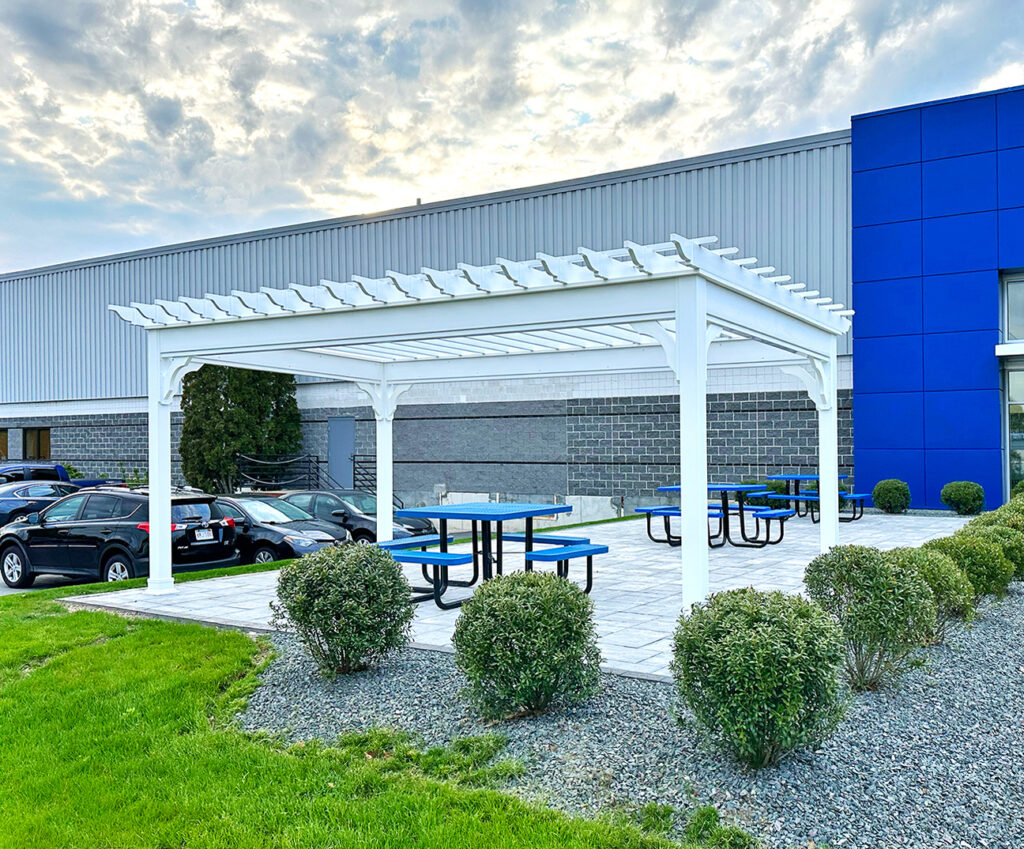
Some backyards have plenty of room but still don’t feel especially usable. The seating area gets too much afternoon sun, the transition from the house feels abrupt, or the yard never becomes a place where people want to stay awhile. That’s often when pergola installation in Hingham, MA starts to make sense.
Outdoor Personia approaches these projects with a focus on fit — how the structure works with the property, supports outdoor living, and helps create a landscape that feels more comfortable, more defined, and easier to enjoy.
Why a custom pergola makes sense in Hingham
A pergola works best when the goal is to add structure and overhead relief without closing off the yard. It can define a dining area, frame a seating zone, or make the transition from the house feel more intentional.
That kind of planning matters because no two properties are set up the same way. Sun patterns, views, circulation, and lot shape all influence what will feel natural once the structure is in place. A pergola that fits the home and yard usually feels more useful and more lasting than one chosen on looks alone.
That’s also where Outdoor Personia’s approach fits. Our focus is on custom projects that suit the site, support real day-to-day use, and come together in a way that feels settled rather than added on.
Start with how the space will be used
Before choosing style or placement, you’ll need to decide what this part of the yard needs to do. This one decision affects size, layout, and how the structure should relate to the rest of the property. A dining setup, a lounge area, and a poolside retreat don’t ask for the same footprint or feel.
Starting there also keeps the project practical. Instead of designing around a photo or trend, you’re shaping the space around how your household actually uses it.
Dining, lounging, and poolside use
Different uses call for different layouts.
A dining setup needs enough clearance for chairs, foot traffic, and a table that fits the space without overwhelming it. Meanwhile, a lounge area works better with a looser arrangement and deeper seating that makes the space feel comfortable for longer stretches.
Near a pool, the goal is often something more transitional — a place to sit, dry off, or cool down without interfering with the yard’s openness.
Near-the-house vs. freestanding placement
When your pergola sits near the house, it usually feels more connected to meals, casual seating, and the natural flow in and out of the home. A freestanding layout, however, creates a separate destination within the yard, which can make more sense when the best views, privacy, or gathering space sit farther out.
Outdoor Personia’s approach fits that kind of decision-making well, since the layout should follow the property instead of being pushed into a standard template.
Assess your property before settling on the design
Your yard should guide the plan as much as the structure does. A layout that looks right on paper can feel off once it meets real sun exposure, uneven grade, or a gathering area that doesn’t line up with how people actually move through the space.
Looking at the property early helps narrow down better decisions. It brings attention to:
- Sun and wind exposure
- Drainage and grade
- Backyard access
- Setbacks and permitting limits
That kind of planning usually leads to a location that feels natural once furniture, foot traffic, and everyday use are part of the picture.
Sun, wind, drainage, and grade
A comfortable location isn’t always the most obvious one. Strong afternoon sun can make one side of the yard much less usable, while coastal wind can leave a seating area feeling more exposed than expected.
Drainage and grade matter just as much, since standing water or even a modest slope can affect how settled the finished space feels.
Access, setbacks, and permitting
Practical constraints also shape what makes sense. Backyard access, nearby features, and available working space all affect where the structure can go and how smoothly the project can move forward.
Setbacks and permitting requirements may influence placement, too, which is why these details are worth sorting out early.
Choose a pergola design that fits the home and yard
A pergola usually looks best when the scale feels right. Post size, beam depth, height, and span all affect whether it feels settled into the property or visually out of step with it. Too light, and it can get lost against the house. Too heavy, and it can make the area feel crowded.
That’s why the design should respond to the home and the yard. A wide rear elevation often calls for a different look than a tighter backyard with narrower circulation. The same goes for the overhead framework. Some spaces need a lighter touch, while others benefit from more definition. When those proportions are handled well, the structure feels like it belongs there.
Plan comfort details early
Comfort depends on more than the frame. Before the project moves too far, it helps to think through a few practical details:
- How much shade the area really needs
- Whether lighting matters for evening use
- How open or sheltered the space should feel
- Whether nearby sightlines affect privacy
- How furniture layout will shape the area
In some yards, partial coverage is enough. In others, stronger sun exposure may call for more support. Working through those details early usually leads to a cleaner result and a space that feels better once it’s in use.
Understand the project path before installation begins
Installing a pergola usually goes better when the early steps happen in the right order. Layout, site review, access, permitting, scheduling, and site preparation all shape how smoothly the work moves forward. Even a structure that seems straightforward can become more complicated when those details are handled too late.
That matters even more when the pergola is part of a broader backyard plan. If it needs to connect to a seating area, pool zone, or another part of the property, timing and coordination become part of what makes the finished space feel resolved. With Outdoor Personia, the project is planned around the property and how it will be used, not treated like a one-off add-on.
Avoid the mistakes that make a pergola feel like an afterthought
Most problems start before anything is built. Sometimes the structure ends up too small for the furniture layout or too light for the house behind it. In other cases, the location feels too exposed, too disconnected from the main activity area, or harder to reach than expected.
In our experience, a few mistakes come up often:
- Choosing the layout mostly on appearance
- Underestimating sun or wind exposure
- Overlooking drainage, grade, or yard access
- Waiting too long to address permitting or site prep
- Treating the pergola as separate from the rest of the yard
It’s also worth remembering that a pergola isn’t always the right fit. Some properties need more coverage, which is where a pavilion or gazebo may make more sense.
Our Simple Process Makes it So Easy to Work With Us!

Share your vision
We want to understand your dream and then personalize a solution to match your vision.

Let's Collaborate
Once you are happy and approve our proposal, we are ready to get to work!

We'll build it
We will choose the best way to create your structure. Relax and enjoy your dream come true.
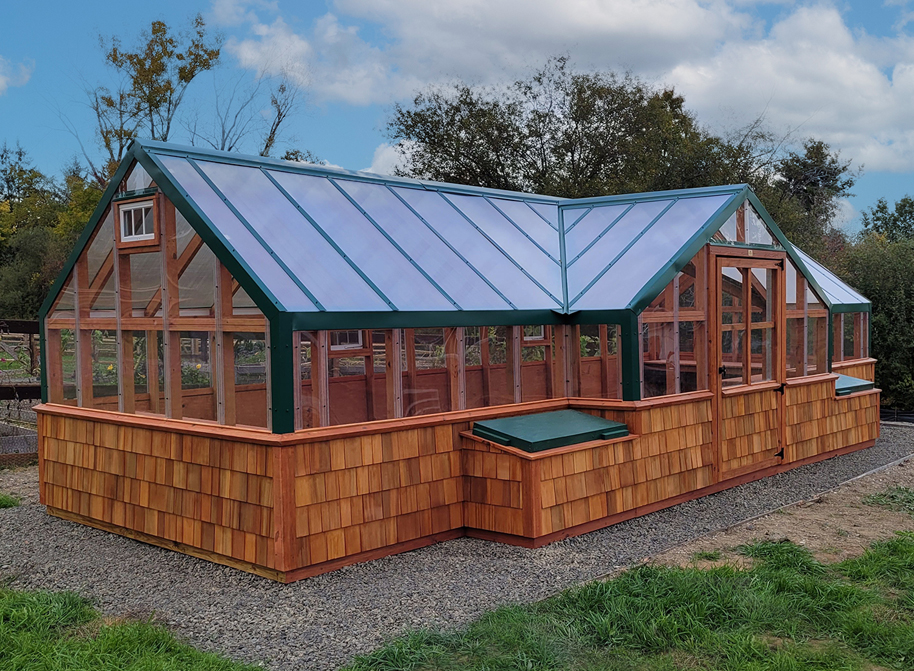
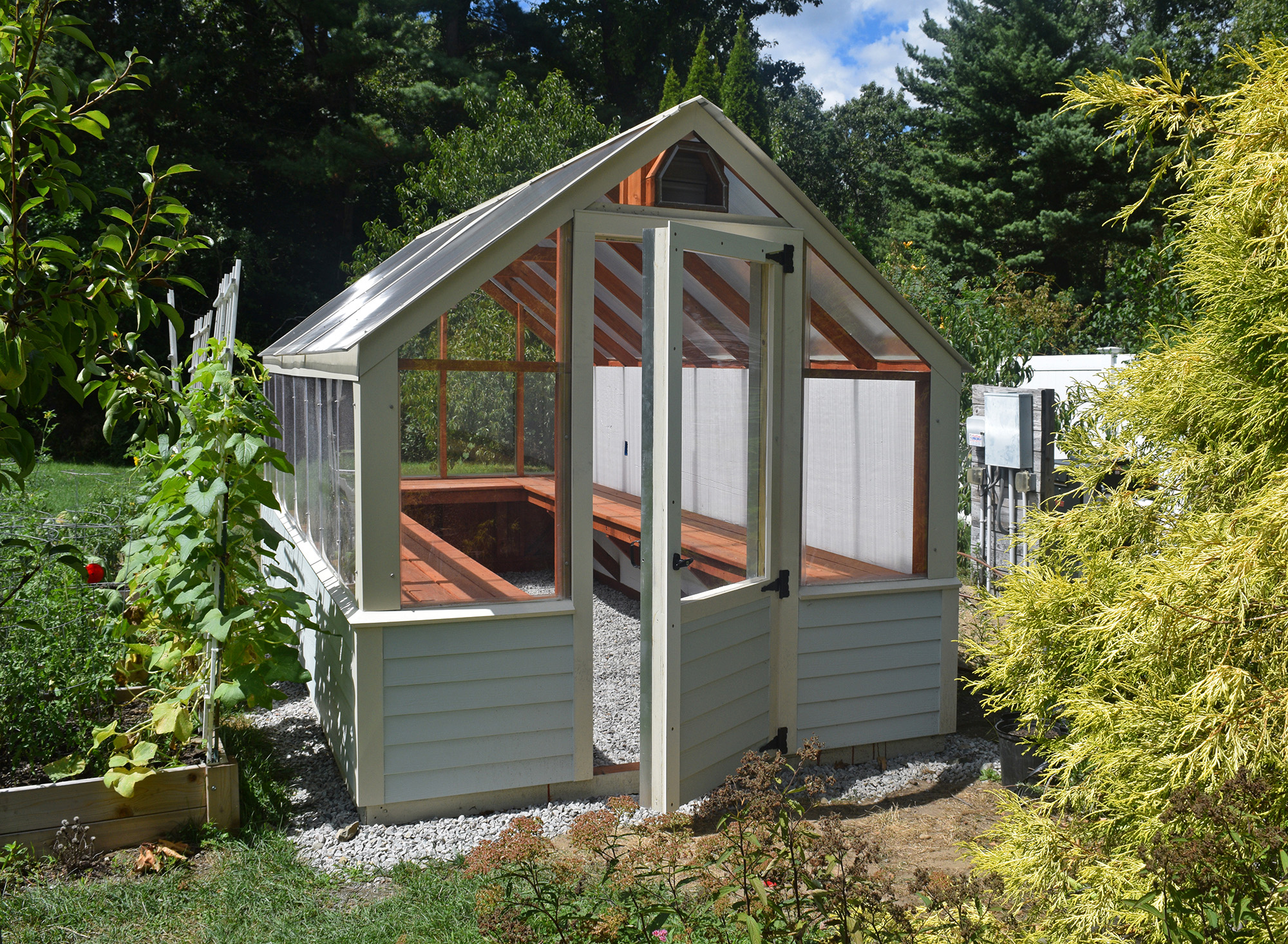
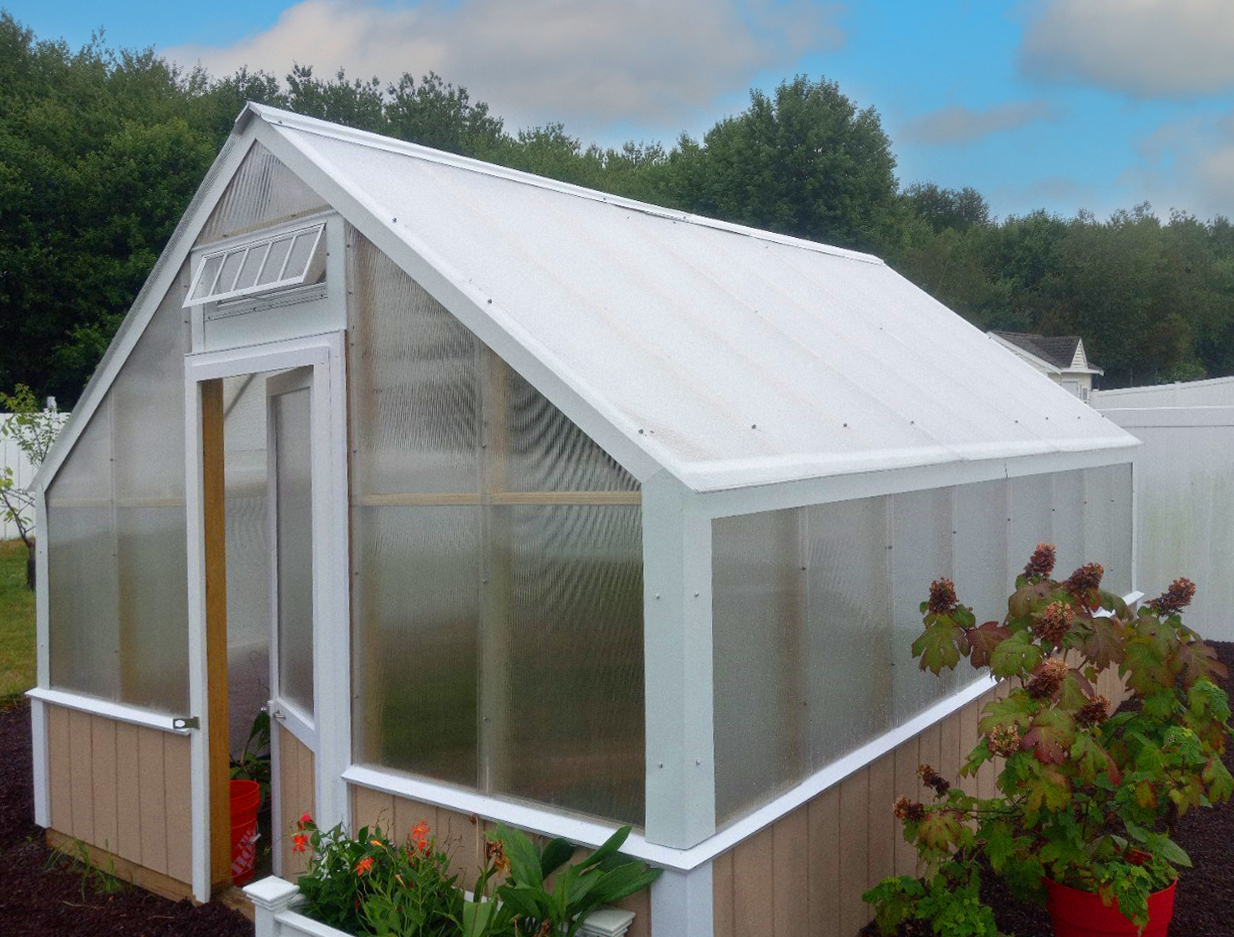
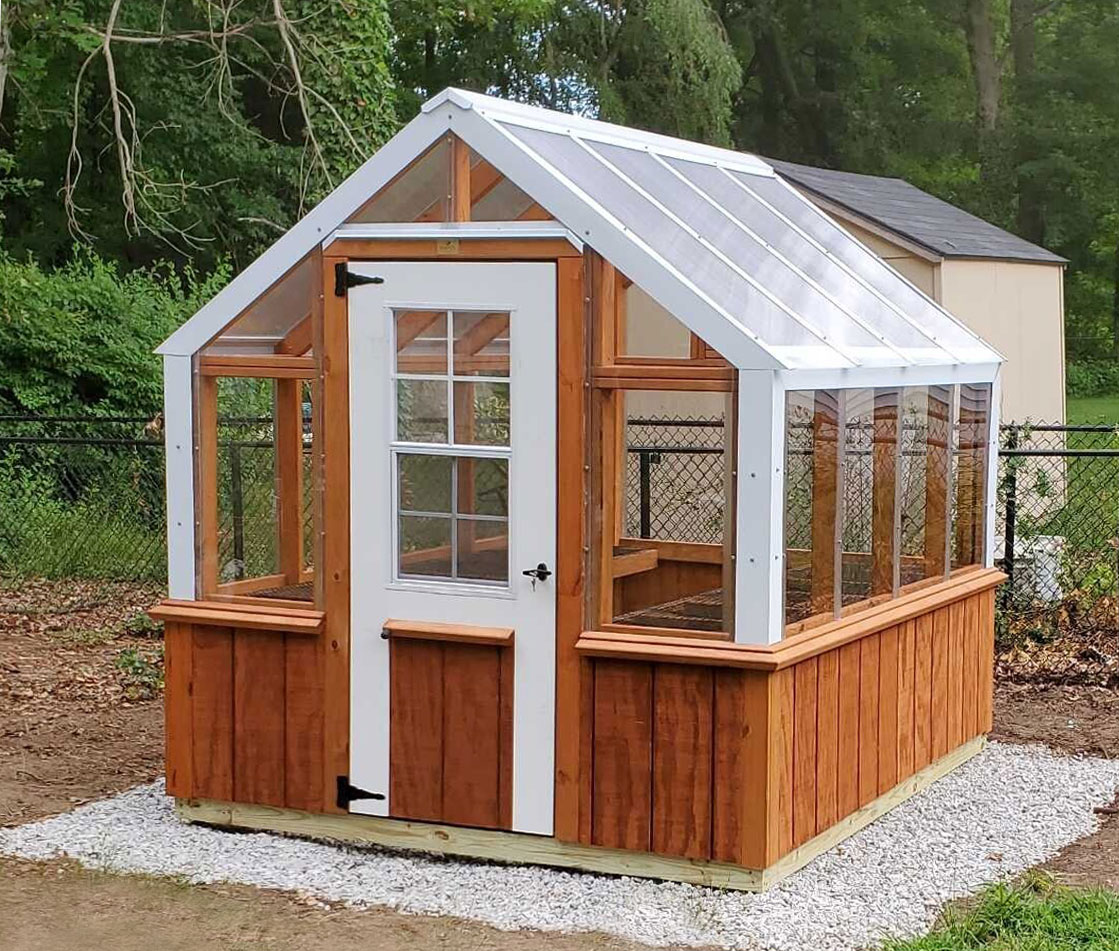
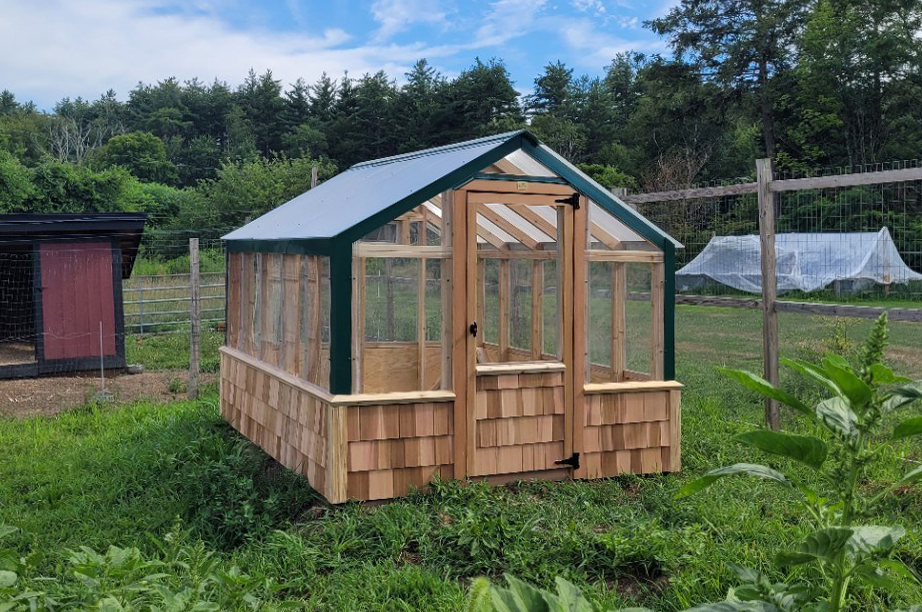
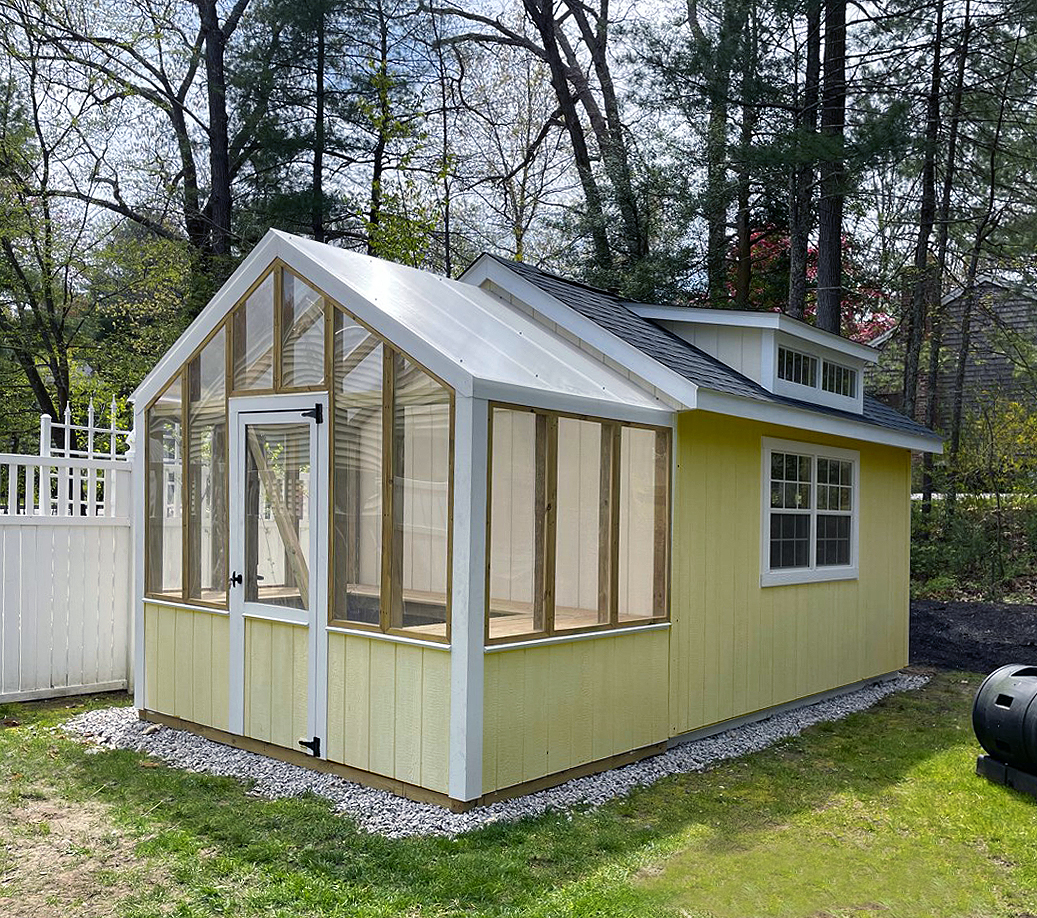
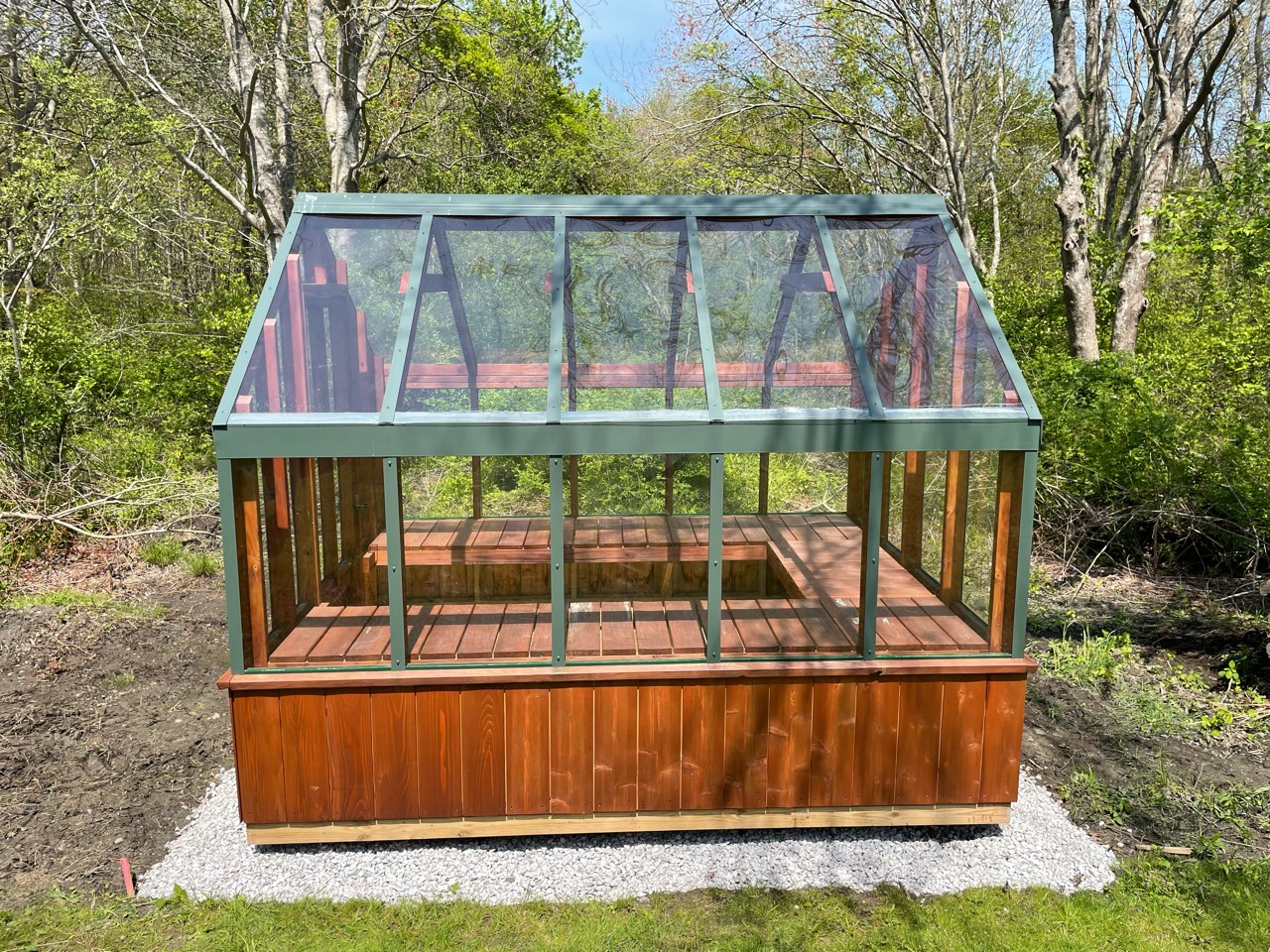
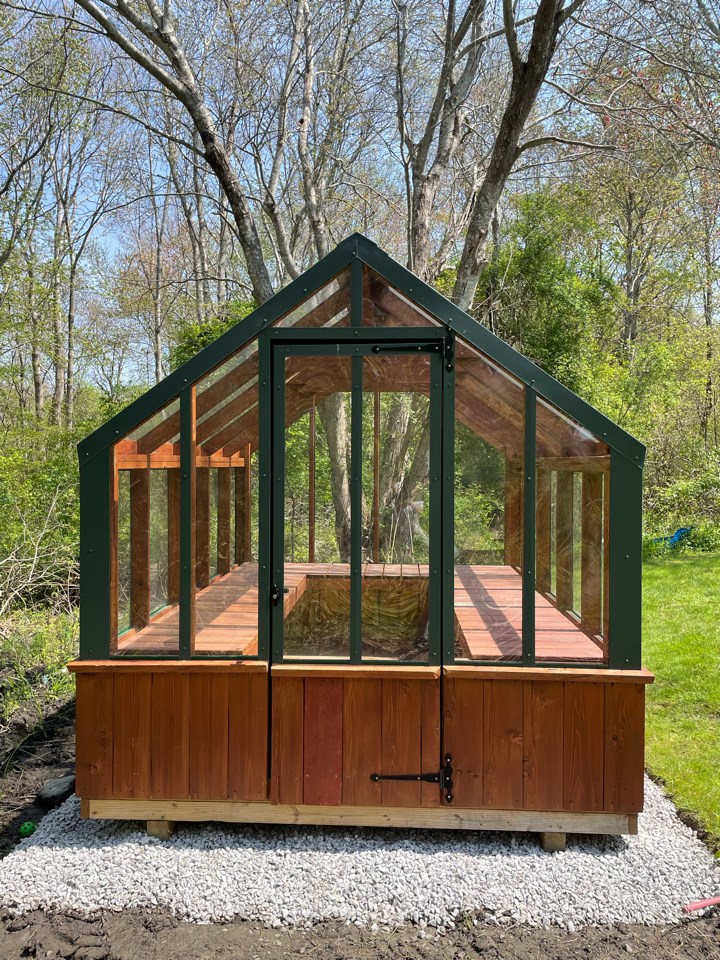
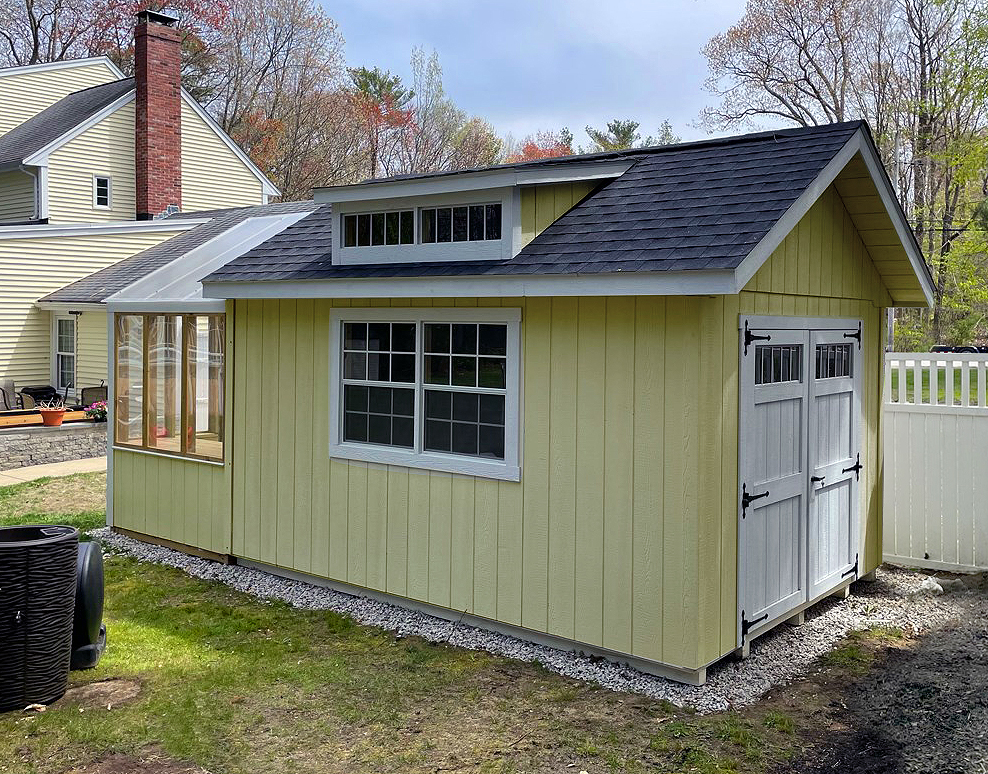
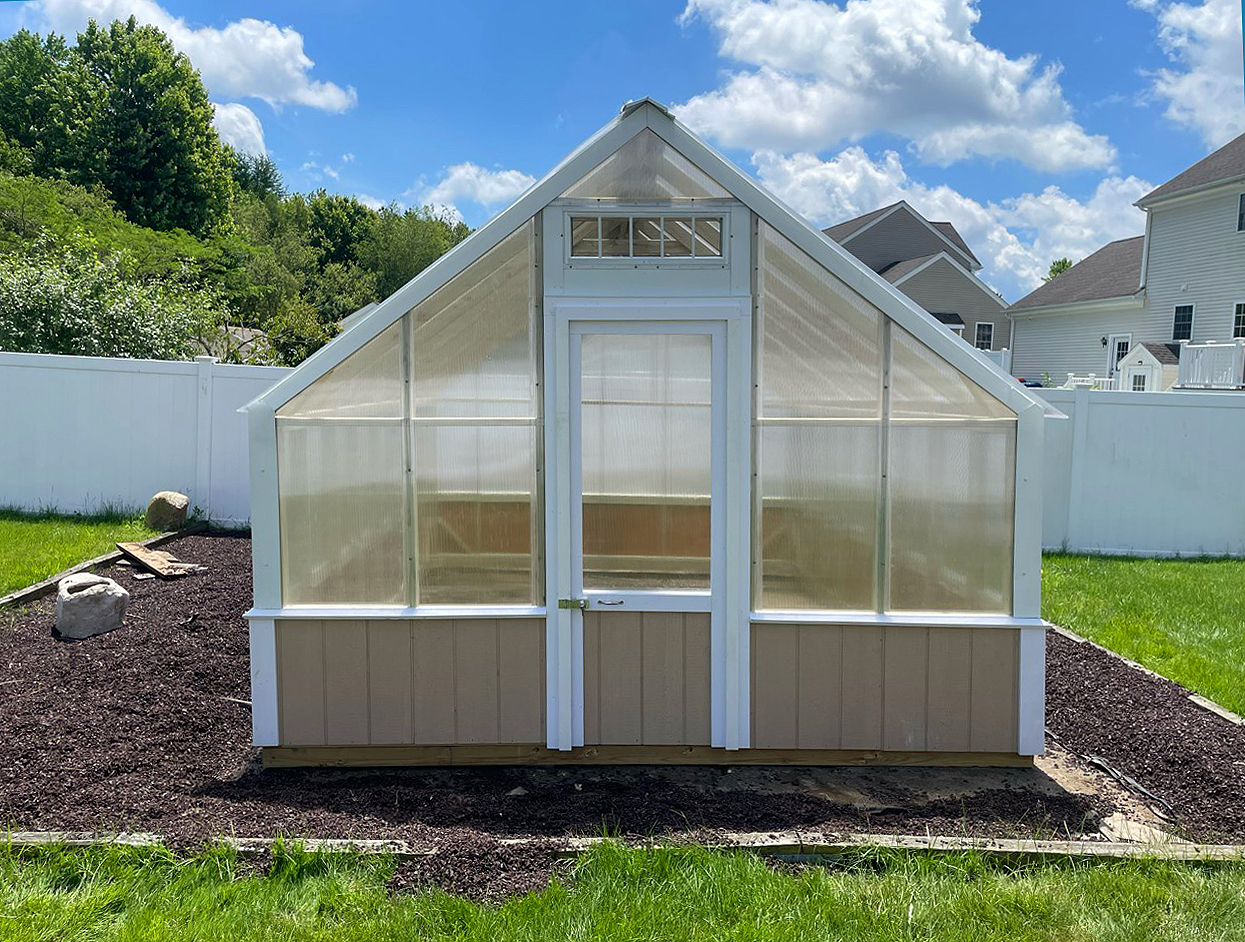
Greenhouse Design Gallery
Frequently Asked Questions
Do I need a permit to install a pergola in Hingham?
It depends on the project’s size, placement, and scope. Permit requirements are easier to handle when they’re reviewed early, before the layout is finalized and site planning starts to shape the rest of the work.
Is a pergola better near the house or farther into the yard?
A pergola closer to the house often works better for dining, easy access, and everyday use. A freestanding pergola farther into the yard can make more sense when you want to create a separate gathering area or take advantage of better privacy, views, or a quieter part of the property.
How much shade does a pergola really provide?
A pergola usually provides filtered shade rather than full overhead cover. How much relief it offers depends on orientation, beam spacing, time of day, and how exposed that part of the yard is during warmer months.
Can a pergola work well next to a pool?
Yes, a pergola can work well next to a pool when the goal is to create a place to sit, dry off, or cool down. The best layouts add comfort without making the area feel closed in.
What site conditions can complicate pergola installation?
Slope, drainage, limited backyard access, and stronger wind exposure can all make planning more involved. Existing hardscaping, utility locations, and tight layout conditions may also affect where the structure fits best and how the project moves forward.
Are pergolas a good fit for coastal Massachusetts properties?
They can be, but coastal exposure matters. Wind, moisture, and changing weather conditions make thoughtful siting, proportion, and overall project planning more important if you want the finished structure to feel comfortable and well-suited to the property.
Should lighting and shade add-ons be planned at the start?
Usually, yes. It’s easier to build those details into the plan from the beginning than to retrofit them later, and early coordination usually leads to a cleaner result that feels more intentional once the space is in use.
How do I know if a pergola is better than a pavilion or gazebo?
A pergola works well when you want structure and partial overhead relief without fully covering the area. If you need more shelter from weather or a stronger sense of enclosure, another structure may fit better.
What is the difference between a custom pergola and a prefab option?
A custom pergola is planned around the home, the yard, and how the space will actually be used. That usually leads to a better fit than choosing a one-size-fits-all option and hoping it works.
When should I start planning a pergola project for summer use?
Earlier than you might expect. Starting ahead of peak season gives you more room for layout decisions, site review, permitting, scheduling, and other details that are easier to handle before timelines start to tighten.
Conclusion
A pergola can add a lot to a backyard, but the best results usually come from getting the early decisions right. When size, placement, comfort, and site conditions all work together, the finished area feels like a natural part of the property instead of an add-on that never quite earns its place.
For homeowners planning a custom project in Hingham, Outdoor Personia offers the kind of guided services that help the process stay clear from first concept through finished work. To talk through your project, get started online or call us at (508) 883-4043.